
3D Wall Design Trends: Why is Fluted Design Becoming More Popular?
In the field of interior design, walls are no longer merely the background panels of a space; instead, they have become the core carriers for shaping the atmosphere and expressing individuality. In recent years, we have observed a notable trend: three-dimensional wall design is returning from the complex decorativeism to the simple structuralism. And “fluted wall panel” undoubtedly stands out among them.
From the background walls of high-end hotels to the TV walls of modern residences and the sound-absorbing partitions in offices, this design featuring grooves, vertical stripes or ripple textures can be seen everywhere. So, what makes the fluted wall panel surpass ordinary flat decorations and become the common choice for designers and clients?
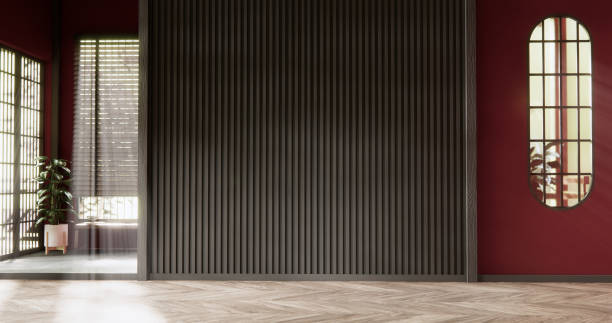
Table of Contents
Why has Fluted Design Become the Mainstream of 3D Wall Design?
Compared with traditional flat walls, the design of three-dimensional walls can: enhance the sense of space hierarchy, enrich the visual expressiveness, and improve the overall design quality. It also meets the three major requirements of aesthetics, functionality and construction efficiency.
1. The sense of sophistication brought by light and shadow
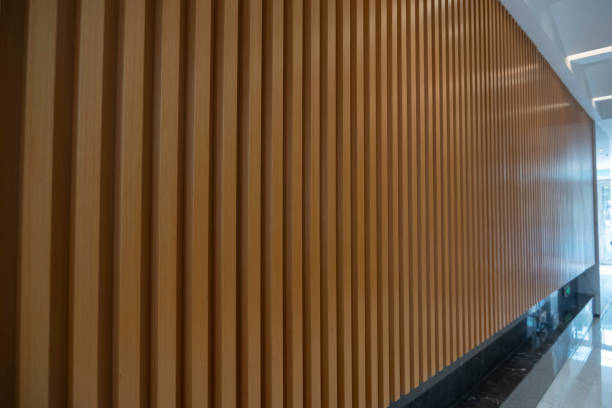
Unlike the smooth walls, the fluted structure wall panel utilizes the changes in concavity and convexity to create rich alternations of light and shade when illuminated by light. As the angle of natural light or lighting changes, the wall surface will present different visual effects, instantly making the originally plain wall surface become three-dimensional and lively. This effect cannot be achieved by flat materials such as latex paint and wallpaper.
2. Minimalist yet not monotonous
The trough-shaped structure belongs to the “less is more” design language. It doesn’t require complex decorations; merely through the arrangement of lines, it can create a modern, clean, and upscale spatial atmosphere. It can be perfectly integrated into various styles such as European, modern minimalist, or light luxury.
3. Visual Spatial Extension
- Vertical arrangement: The vertical slots can guide the line of sight to extend upwards, which is an excellent means of visually expanding the space, especially for apartments with limited height or small-sized rooms.
- Horizontal arrangement: The horizontal lines can visually widen the space, suitable for narrow corridors or rooms.
For small-sized rooms or spaces with limited height, the fluted wall panels are a magical tool for enhancing the sense of space.
4. Natural sound absorption effect
The trough-shaped structure creates a cavity with gaps which uses the natural characteristics of wood and wood-plastic materials to achieve sound absorption and reverberation reduction. Therefore, it is often used in places that require a good acoustic environment, such as home theaters, offices, restaurants, hotels, etc.
5. The material upgrade makes it more durable and easier to maintain.
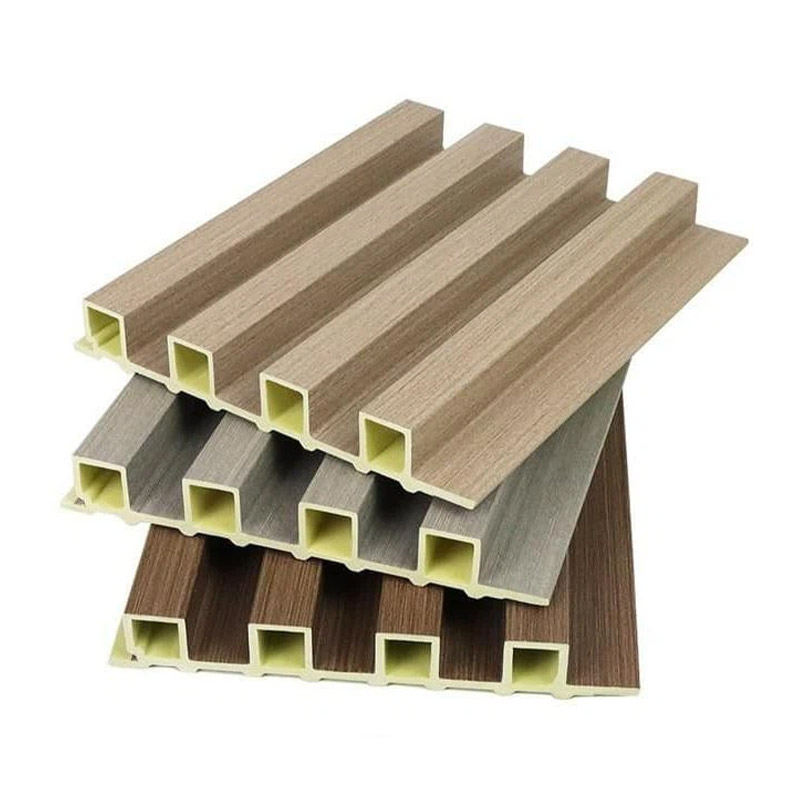
The initial groove panels used solid wood materials because they created high costs while their use resulted in maintenance challenges due to the material’s tendency to warp. The current wood-plastic composite (WPC) groove panels used in the market today provide customers with multiple advantages which they achieve through their combination of wood powder and plastic materials. This has transformed the groove wall panels from “high-end materials” into “affordable high-end materials that everyone can afford”.
6. Convenient Installation Method
Modern channel-shaped walls often adopt modular design and snap-fit installation methods, for example. Construction work has shifted away from using manual labor to complete complex tasks because construction work now requires only the assembly of building materials. The system provides two benefits because it decreases construction time and operating costs while maintaining precise installation and reducing dust and noise disturbance at work sites.
How Does WPC Fluted Panel Fit Into The Current Design Trend?
As a trend-oriented material, WPC fluted wall panels perfectly match modern three-dimensional wall design in multiple aspects:
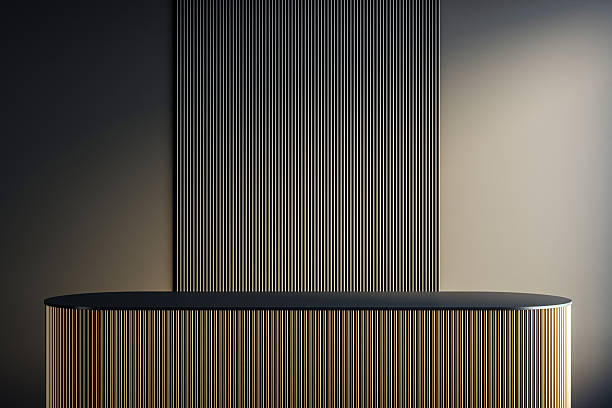
The fluted structure itself can enhance the sense of space hierarchy and is highly suitable for modern style spaces.
It is not only applicable to living rooms, background walls, and office spaces, but also can be used in damp areas and even outdoor facades.
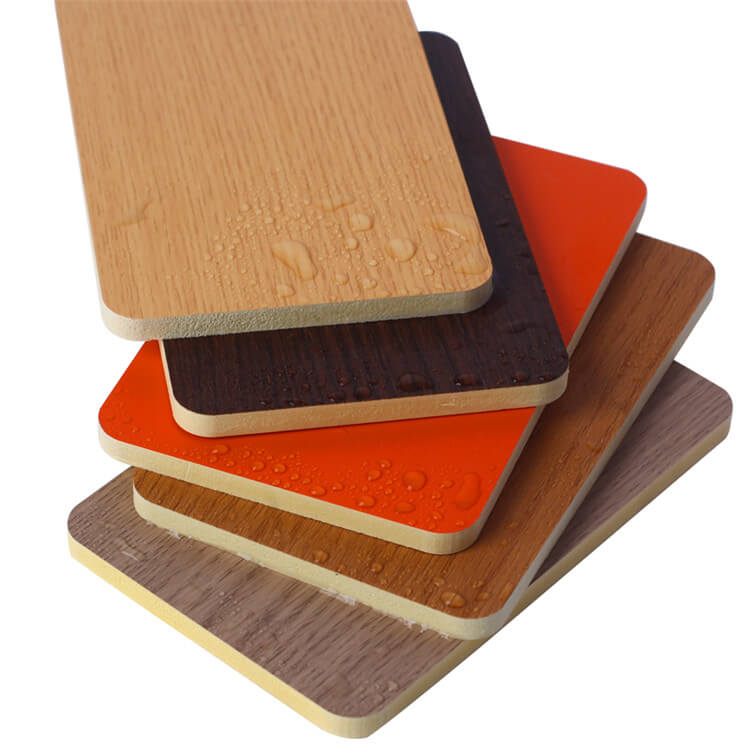
Compared to solid wood, WPC materials: are less prone to cracking and deformation, are moisture-proof and mold-resistant, and have a longer service life.
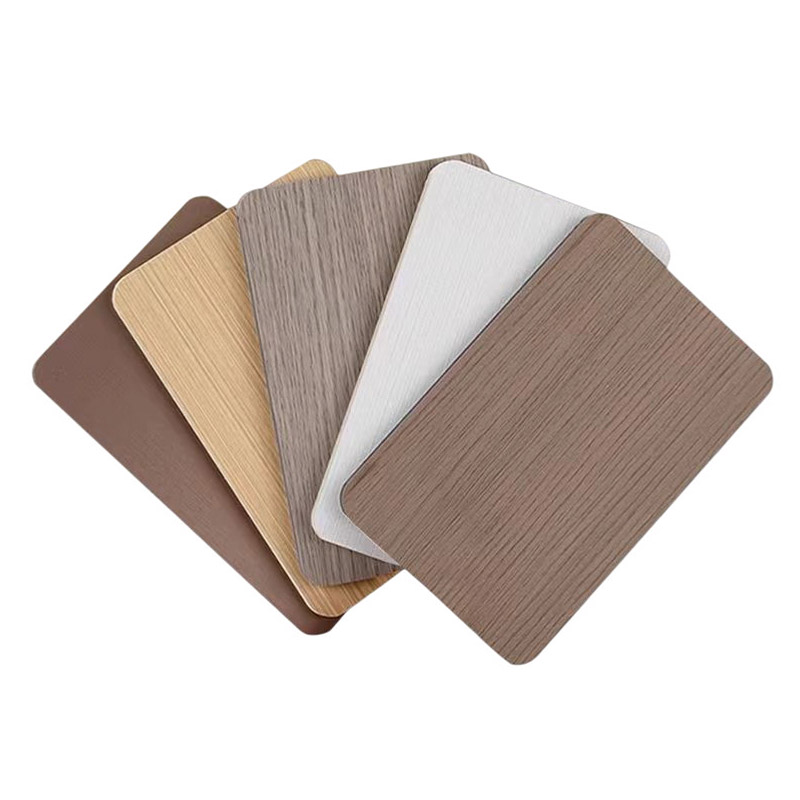
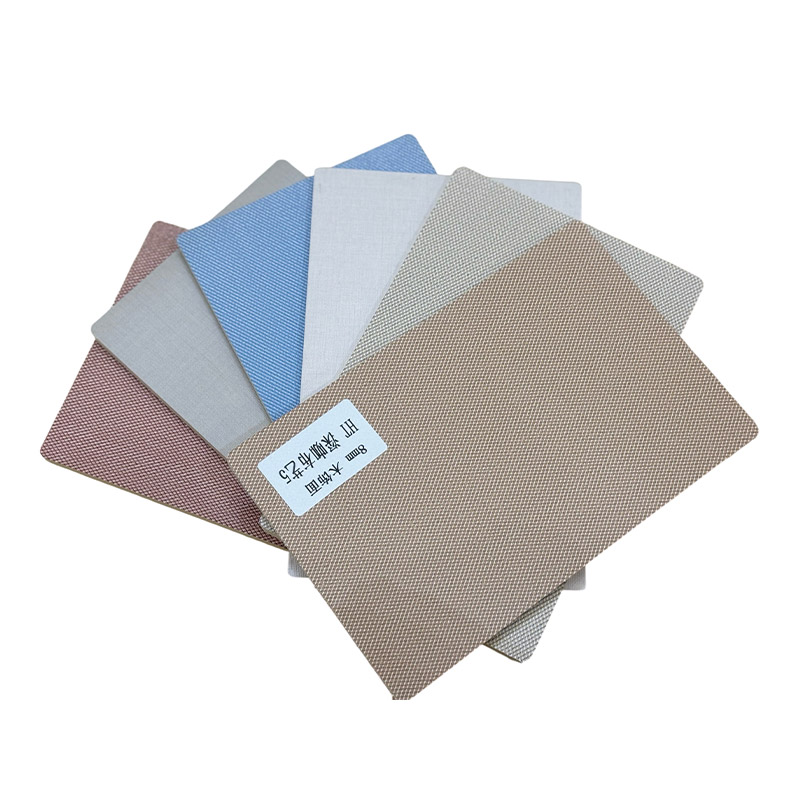
It can achieve various styles such as wood grain, solid color, and modern textures, meeting diverse design requirements.
Conclusion
The reason why the fluted structure has remained popular in three-dimensional wall design is that it perfectly balances aesthetic value, practical function, construction efficiency and cost control. It uses the simplest language to address the multiple demands of modern spaces for texture, atmosphere and functionality. And as a representative of new materials, WPC Fluted Panel makes this design more feasible and widespread in terms of cost, durability and application scope.