
Do Bamboo Charcoal Fiber Wall Panels Really Purify the Air? A Scientific Explanation
Air-purifying building materials have slowly turned into the hottest trend in the home renovation market as people are paying more and more attention to the health of their living surroundings. The bamboo charcoal fiber wall panels which are said to have the ability to absorb harmful formaldehyde and improve indoor air quality ended up being one of the most consumed products by the market of large part of consumers.
However, questions arise: Can bamboo charcoal fiber wall panels really purify the air? Is this effect reliable, or is it just a marketing gimmick?
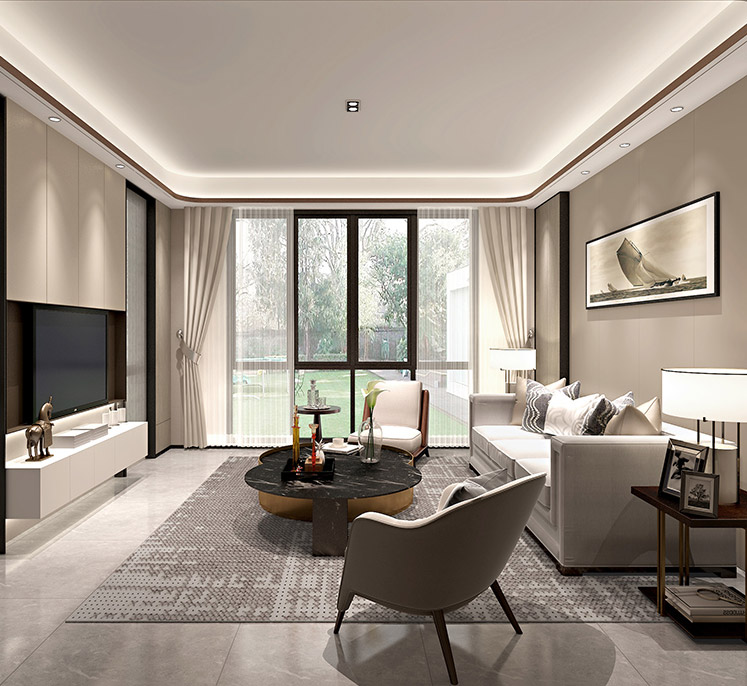
This article will objectively analyze the real role of bamboo charcoal fiber wall panels in improving air quality, starting from the material structure and scientific principles.
Table of Contents
Why Are “Air-Purifying Wall Panels” Becoming Popular?
In modern home decoration, indoor air pollution has become a widespread problem. The main sources include:
- Formaldehyde released by artificial boards
- Volatile organic compounds (TVOC) in paints and adhesives
- Long-term odors brought by furniture and soft furnishings
Even if “environmentally friendly materials” are selected, the low-dose and long-term release of pollutants still cannot be completely avoided. Therefore, some wall materials with functional attributes such as “adsorption” and “moisture regulation” have begun to enter the consumers’ view. Bamboo charcoal fiber wall panels have gained attention under this background.
What Are Bamboo Charcoal Fiber Wall Panels?
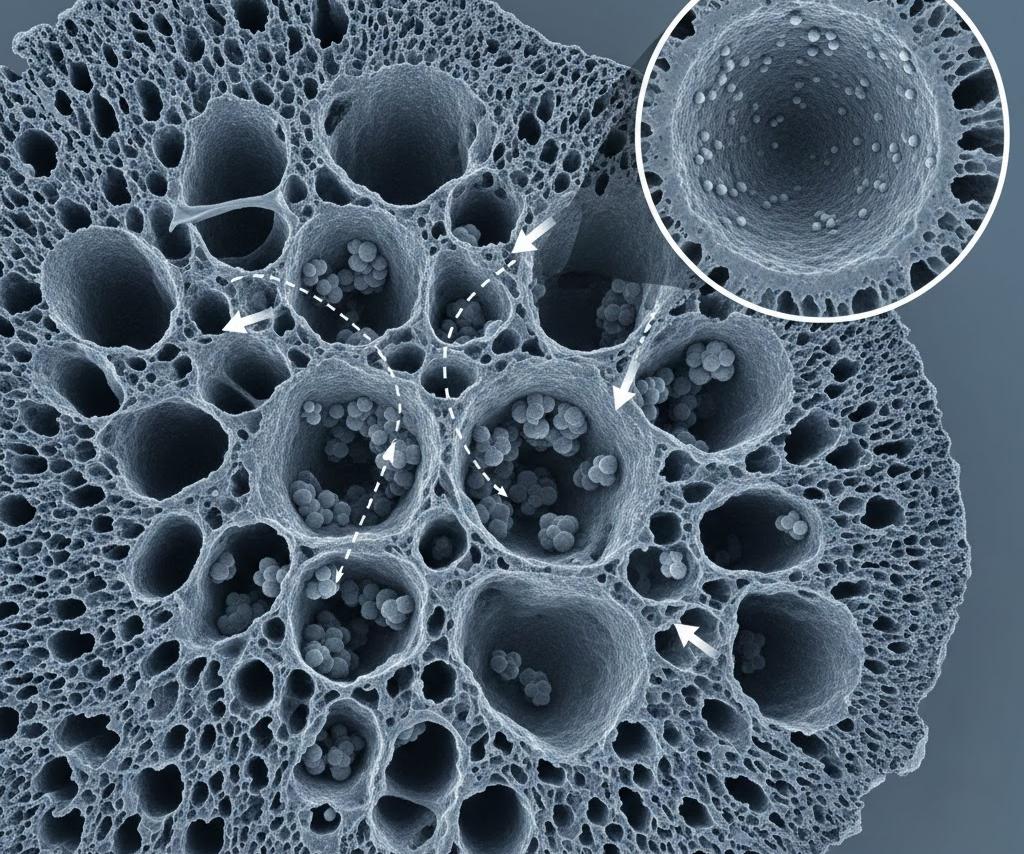
Ceramic fiber is not a natural fiber. It is made from bamboo materials, which are carbonized at high temperatures to produce bamboo charcoal. Then, the bamboo charcoal powder is combined with polymer materials to form a functional material. The core selling point of this material lies in its own porous structure of bamboo charcoal.
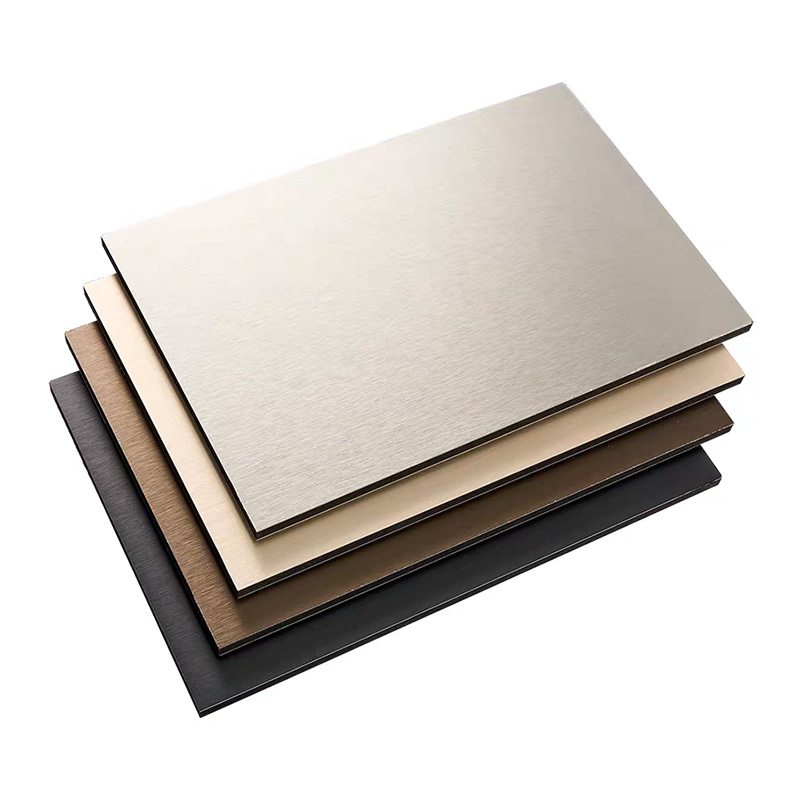
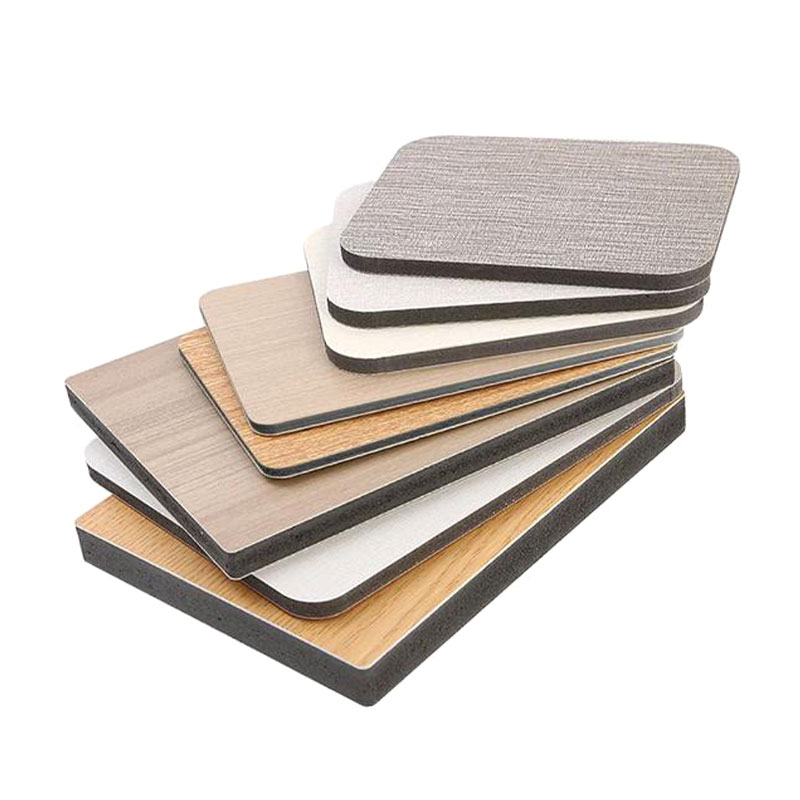
Common bamboo charcoal fiber wall panels usually consist of the following components:
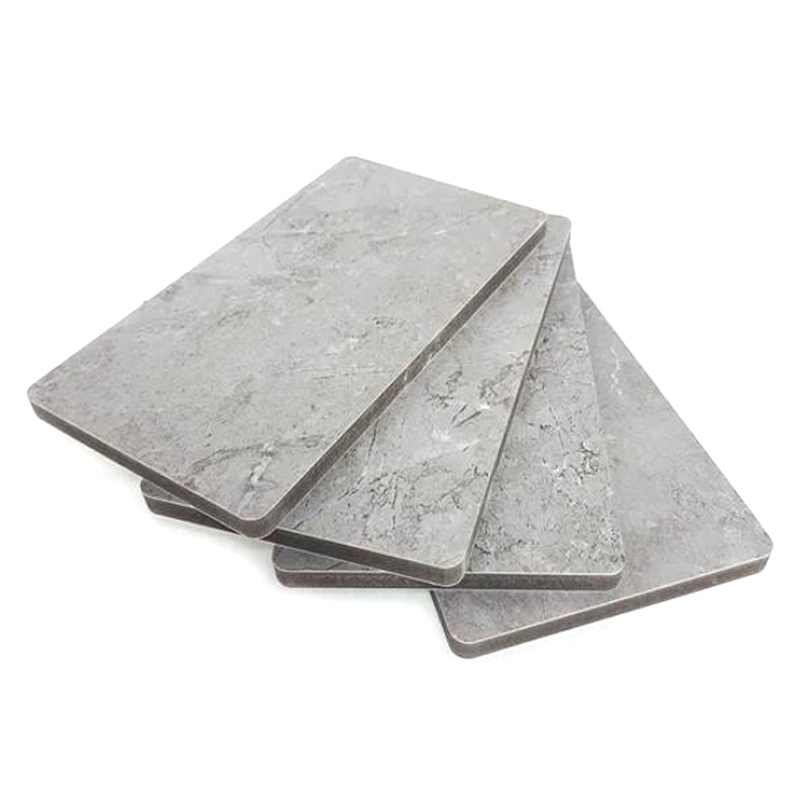
- Surface decorative layer (wood grain, stone grain, etc.)
- Middle bamboo charcoal fiber composite layer
- Substrate support layer
This structure enables the wall panel to meet the decorative requirements while also taking into account certain environmental protection and functional attributes.
Bamboo charcoal fiber wall panels are made with bamboo charcoal components in their materials while ordinary PVC wall panels or wood-plastic wall panels do not. Their advertising emphasis is mainly on odor absorption, humidity regulation and environmental protection performance.
Can Bamboo Charcoal Really Purify the Air? The Science Explained
The Porous Structure and Adsorption Mechanism of Bamboo Charcoal
The microns and millimeters of pores formed by bamboo charcoal during high-temperature carbonization process can be easily detected by a huge specific surface area. This physical configuration gives it the ability to adsorb certain gas molecules from the air by means of physical adsorption which is already a property of the material.
What Pollutants Can Bamboo Charcoal Adsorb?
From a principle perspective, bamboo charcoal has a certain adsorption effect on the following substances:
- Small molecule organic substances such as formaldehyde
- Odor-causing gases such as ammonia and sulfides
- Water molecules (for assisting in regulating humidity)
It should be emphasized that this effect is passive adsorption and does not involve chemical decomposition.
Adsorption Does Not Mean Continuous Purification
A common misconception is to interpret “adsorption” as “continuous purification”. In fact, the adsorption capacity of bamboo charcoal has an upper limit. Once the pores are fully occupied, its effect will significantly weaken and may even cease to function.
Bamboo Charcoal Fiber Wall Panels Are Not the Same as Activated Bamboo Charcoal
Bamboo charcoal itself possesses adsorption characteristics, yet the type of bamboo charcoal used in bamboo charcoal fiber wall panels is remarkably different from the one used as an independent activated bamboo charcoal.
Limited Charcoal Content Inside Wall Panels
In wall panels, bamboo charcoal is usually mixed in powder form into the composite material and is wrapped in resin. The actual exposed surface area of bamboo charcoal in the air is limited. Taking the common bamboo charcoal fiber wall panel as an example, its air improvement effect is more reflected in auxiliary adsorption and initial odor relief rather than efficient and continuous air purification.
How Surface Treatments Affect Air-Improving Performance
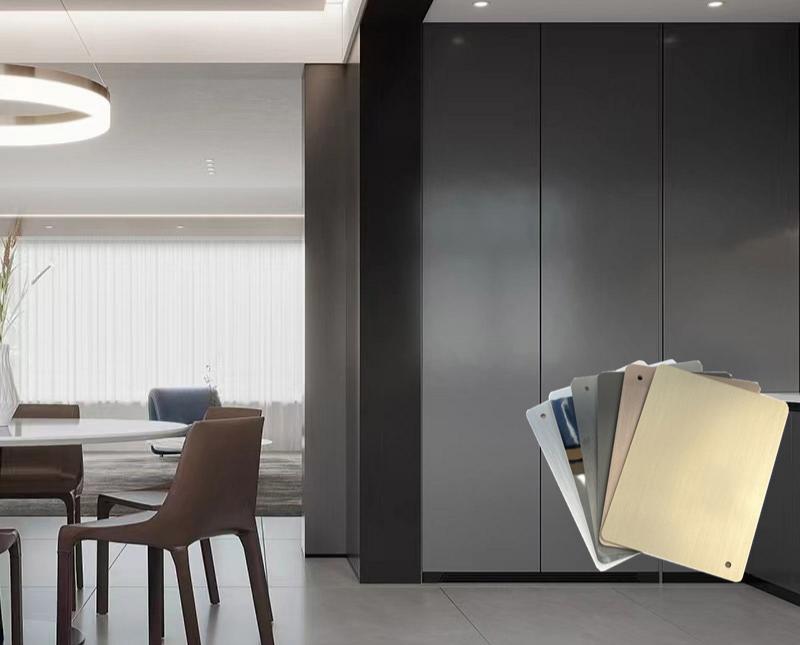
If the surface of the wall panel is covered with a completely sealed film or UV coating, the contact between bamboo charcoal and the air will be further reduced, and its adsorption effect will also decrease accordingly.
Comparison with Standalone Bamboo Charcoal Products
Compared with bamboo charcoal bags and activated carbon filter materials, bamboo charcoal fiber wall panels have relatively limited adsorption speed and total adsorption capacity. They are more suitable for long-term and low-intensity environmental improvement scenarios.
What Can Bamboo Charcoal Fiber Wall Panels Actually Do in Real Homes?
Closer to “auxiliary improvement” rather than “active purification”
In the actual living environment, bamboo charcoal fiber wall panels:
- Cannot replace air purifiers
- Are difficult to deal with continuous pollution sources
- Are more suitable for use in conjunction with ventilation and air purification equipment
Actual perceptible advantages
Compared to “strong purification”, its advantages are more reflected in:
- Relieving odors during the initial stage of decoration
- Assisting in humidity regulation in damp environments
- Psychological sense of environmental protection security
How to Evaluate the Environmental Value of Bamboo Charcoal Fiber Wall Panels Rationally
Accurately define the role of bamboo charcoal fiber wall panels
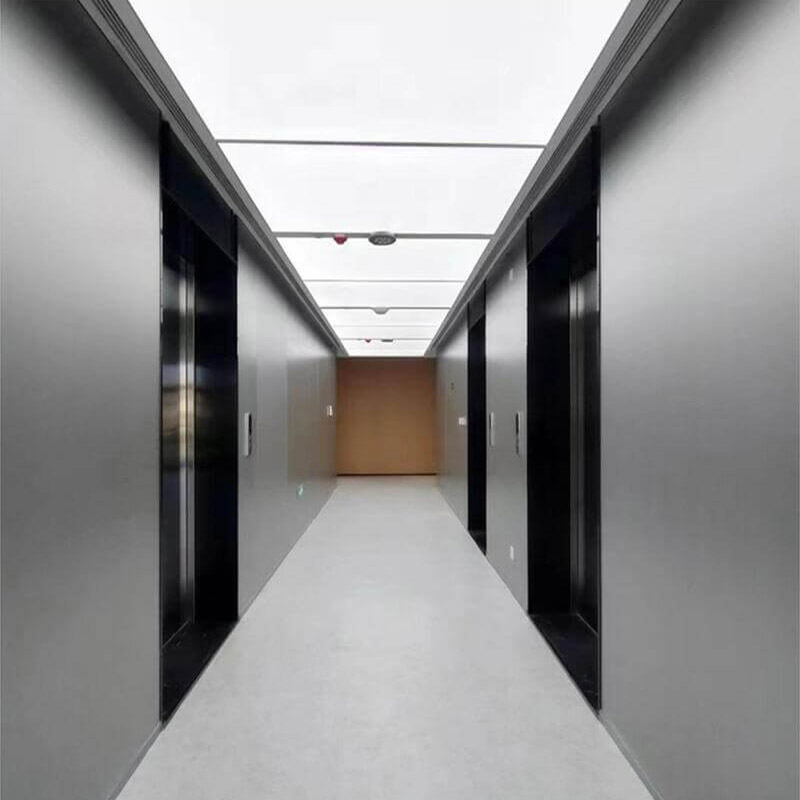
From the perspective of functional positioning, bamboo charcoal fiber wall panels are more appropriately regarded as: a type of wall material that combines decorative and environmental protection attributes, rather than an air purification device.
A more scientific indoor air improvement plan
To truly improve indoor air quality, multiple methods need to be combined:
Control pollution sources (use low-emission building materials)
Maintain good ventilation
Combine with air purification equipment
Give the decoration materials sufficient release time
Summary
Certainly, wall panels made of bamboo charcoal fiber can improve air quality to some extent, but these effects are limited, passive, and of a supporting nature.
If your main demands are beauty, simple installation, and the risk of bad smells from renovation being kept to a minimum, then bamboo charcoal fiber wall panels are a reasonable option. However, it is unrealistic to expect them to do the main function of “air purification”.
A rational understanding of their functional limitations and their integration with the overall renovation plan is a more scientific approach.