

Hotel Interior Design: Creating Smarter and More Efficient Spaces
A hotel that looks stunning in photos but frustrates guests in person is a design failure. Today’s most successful properties have moved beyond aesthetics alone — they’re building spaces that work intelligently across three dimensions: delivering memorable guest experiences, supporting seamless daily operations, and holding up financially over time. This guide breaks down the key spaces, material choices, and design principles that define genuinely smart hotel interior design in 2026.
Table of Contents
What “Smart” Hotel Interior Design Actually Means
The term “smart” gets used loosely in the world of hospitality. It’s not about filling the room with screens and sensors. It’s about making sure that every design choice -starting from the layout of the lobby to the finishing of walls along corridors is a good one by serving staff, guests and even the bottom line.
According the EIS Hospitality’s 2026 Hospitality Design Report, the most important trends shaping hotel interiors today are sustainability, flexibility and experience-first thinking. These aren’t just aesthetics; they’re structural shifts in the way customers behave as well as what they want to see. Hotels that design their facilities around these facts perform bettercommercially as well as operationally.For hotel owners and designers, this means rethinking the design process itself: not “what looks good?” but “what works hardest?”
The 5 Spaces That Define a Hotel’s Design Intelligence
1. The Lobby: First Impression Meets Multi-Function
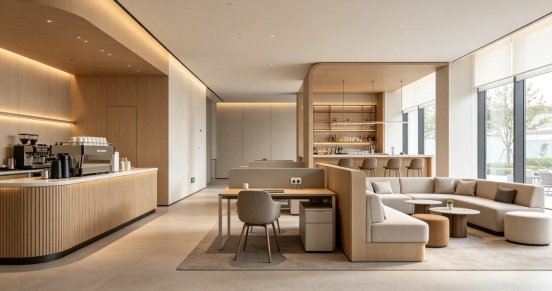
The lobby is no longer a waiting area. In 2026, hotels that are forward-thinking transform their lobby areas into social hubs that can be adapted to the needs of guests — places that serve as a café in the morning, a co-working space later in the afternoon, and finally an evening lounge for cocktails. The “lobby evolution” is one of the most frequently reported trends in hospitality design studies this year.
What creates the flow. A well-designed lobby leads guests seamlessly from entry to their destination, using visual anchors like such as a feature wall, a sculpture or a moment of material -which create a feeling of being welcomed without stifling anyone. The surfaces that are used for high-traffic use must be functional: wall panels with decorative designs made of aluminum composite or WPC are becoming more popular due to their visual appeal and the durability that public areas with high traffic require.
2. Guest Rooms: Where Comfort Meets Quiet Efficiency
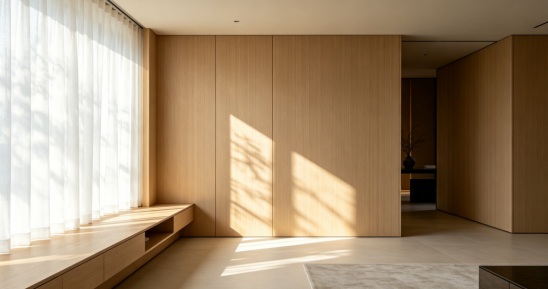
The guest rooms are where the texture is the most significant lifting. Designers from the industry are now constantly pointing at the tactile layering of wood panels ribbed with a textured surface walls, upholstered wall sections, weaved textiles as the main tool for making rooms feel luxurious without the need for expensive furniture or the use of heavy décor.
Intelligent lighting is equally important. Hotels are moving away static lighting to the circadian system that changes throughout the day: energetic early in the day, then warm and relaxed in the evening. Hilton’s alliance in partnership with Peloton and their wellness in-room integration is a clear illustration of how big brands are taking advantage of this trend.
For wall surfaces, specifically Bamboo charcoal panels have been getting popularity in luxurious guest rooms. They absorb formaldehyde, have natural antimicrobial properties and give the warm, natural feel that guests are increasingly looking for.
3. Corridors and Back-of-House: The Overlooked Efficiency Zones
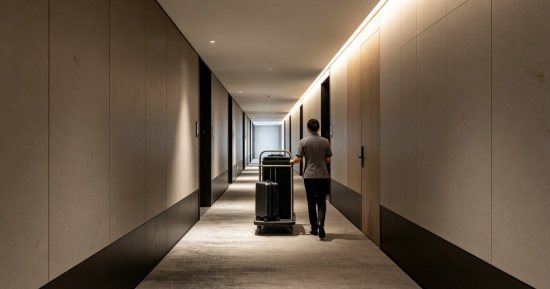
Corridors are the spaces designers often underinvest in — and the ones that quietly undermine a hotel’s operational performance when poorly specified. In high-footfall environments, wall surfaces take constant punishment: luggage scrapes, trolley impacts, cleaning chemical exposure.
The practical rule here: consult operations staff before specifying materials. How many housekeeping trolleys move through each corridor daily? Where are the service stations? What cleaning products does the team use? These questions, asked early, prevent expensive material failures later. In these areas the Grade A fire-rated walls and SPC wall panels provide the reliability, endurance and simple maintenance required to ensure that back-of-house operations are running smoothly.
4. F&B Spaces: Designing for Revenue Generation
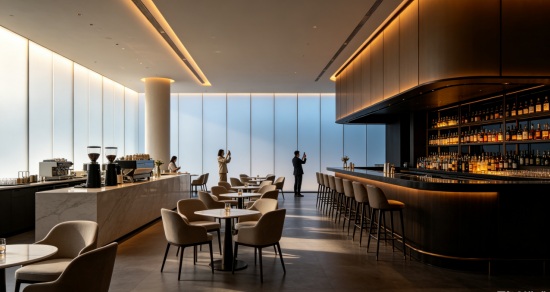
Food and beverage areas have become a primary design priority in 2026 — not just because guests eat there, but because well-designed F&B spaces drive per-guest revenue and social media exposure simultaneously. Amerail Systems’ 2026 Hotel Design Trends report highlights that dual-concept F&B places that include cafes during the evening, bar during the day have become the norm in the new hotels that offer full-service.
The challenge with the material is special in that surfaces must be able to withstand heat, humidity as well as oils and continuous cleaning while appearing polished enough to warrant a mention on a guest’s feed on social media. UV-coated wall panels tackle this issue directly, providing high-gloss finishes which resist staining and can be cleaned without deteriorating. For feature walls or visual focal areas, 3D textured panels provide an easily shareable, photographic moment that acts as a free marketing tool.
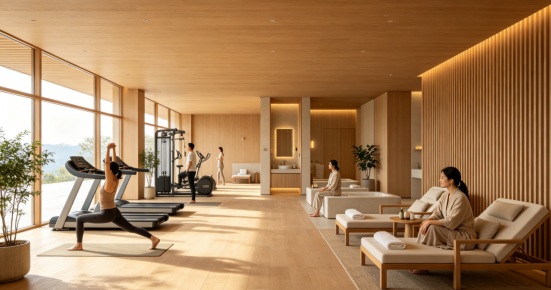
5. Wellness Spaces: Designing for Emotional Recovery
A Hilton survey released in 2025 showed that 95% of guests are actively trying to keep up their health routines when traveling. This statistic has changed the way the designers approach spas, fitness centers as well as regular guest bathrooms.
The driving force behind this movement is biophilic design – the incorporation of natural materials such as air quality, light and organic shapes into areas where people can relax and re-set. This is more than just putting plants in the corners. It means specifying materials that contribute actively to indoor air quality, like bamboo charcoal fiber wall panels with certified formaldehyde-absorption properties, and designing acoustic environments that support genuine rest.
Material Selection: The Decision That Determines Everything
Design vision is only as good as the materials executing it. In hotel environments, material selection is a long-term financial decision as much as an aesthetic one. The wrong choice in a high-traffic corridor or a moisture-prone bathroom means premature replacement — a cost that compounds across a large property.
Four criteria should drive every hotel material decision:
Durability — Can it handle the physical demands of commercial hospitality use?
Maintenance cost —What amount of product and labor is required to ensure it looks good?
Compliance—Does it meet standards for fire protection, VOC emission, and environmental certification requirements?
Aesthetic flexibility — Can it adapt across different design briefs and renovation cycles?
Decorative wall panels have become the specification of choice across all five hotel zones precisely because they address all four criteria simultaneously. The right panel type varies by application:
| Space | Recommended Panel Type | Key Advantage |
| Lobby & public areas | WPC / Aluminum composite | High durability, premium visual impact |
| Guest rooms | Bamboo charcoal fiber | Antimicrobial, formaldehyde-absorbing |
| Corridors & service areas | SPC / Grade A fire-rated board | Impact-resistant, fire-compliant |
| F&B spaces | UV-coated panels | Stain-resistant, easy maintenance |
| Wellness & spa | Bamboo charcoal fiber | Natural material, air quality support |
| Feature walls | 3D textured panels | Visual statement, brand differentiation |
Sustainability Is Now a Design Standard, Not a Bonus
Based on EME Concepts’ 2026 Hospitality Trends study sustainability has evolved from being a distinction in marketing to a normative expectationone that informs the traveler and the procurement team to examine instead of assuming. Sustainable materials include finishes with low VOC, ethically sources of substrates, and items that have internationally recognized certifications like ISO or SGS environmental conformity.
The implications for hotel managers: sustainability specifications and aesthetics are no longer at odds. The materials leading in both categories — bamboo fiber composites, recycled-content panels, responsibly sourced wood veneers — happen to be exactly what 2026’s design vocabulary calls for: warm, textured, and grounded in natural materials.
How to Future-Proof Your Hotel Interior Design
The hotels that manage renovation costs most effectively share a common approach: they build on a timeless base and update at the surface level. Neutral structural finishes, classic furniture profiles, and quality flooring age well. Cushions, artwork, and accent materials can be refreshed without major capital expenditure.
Working directly with panel manufacturers — rather than through multiple supply chain intermediaries — gives hotel projects two critical advantages: faster lead times for custom specifications, and the ability to consult on material performance before a single panel is installed. For large-scale projects, this early-stage collaboration routinely prevents the kind of specification errors that become expensive mid-build.
The smartest hotel interiors aren’t the ones with the largest budgets. They’re the ones where every material decision was made deliberately — with a clear understanding of who the guest is, what the operational demands are, and how the space needs to perform five years from now.