
How to Choose High-Quality Aluminum Honeycomb Panels
Aluminum honeycomb panels, as a kind of composite material with outstanding performance, have shone brightly in building curtain walls, interior decoration, transportation and many industrial fields due to their advantages of light weight, high strength, excellent flatness and high design freedom. However, the prosperity of the market is also accompanied by uneven product quality. From key projects to ordinary decoration, choosing the wrong board type can result in bulging and deformation of the coating. Fading may lead to safety hazards that in turn bring tremendous economic losses. This guide will systematically analyze the composition of a high-quality aluminum honeycomb panel for you and provide a complete purchasing strategy from theory to practice to help you develop a keen eye and make a ‘foolproof’ choice.
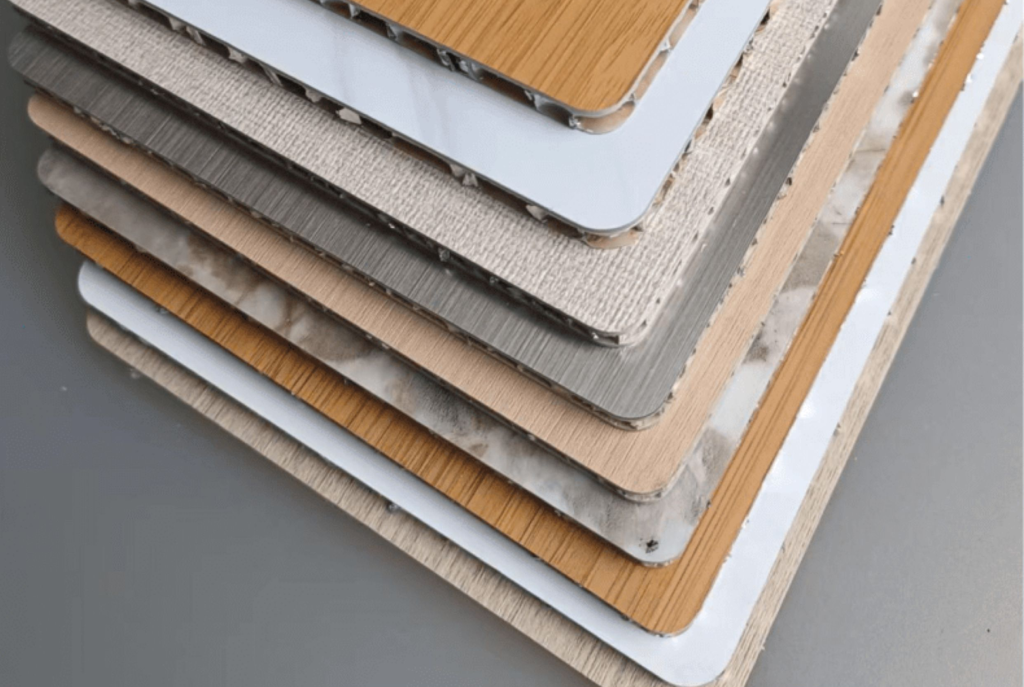
Table of Contents
Analyze The Constituent Elements Of High-Quality Aluminum Honeycomb Panels
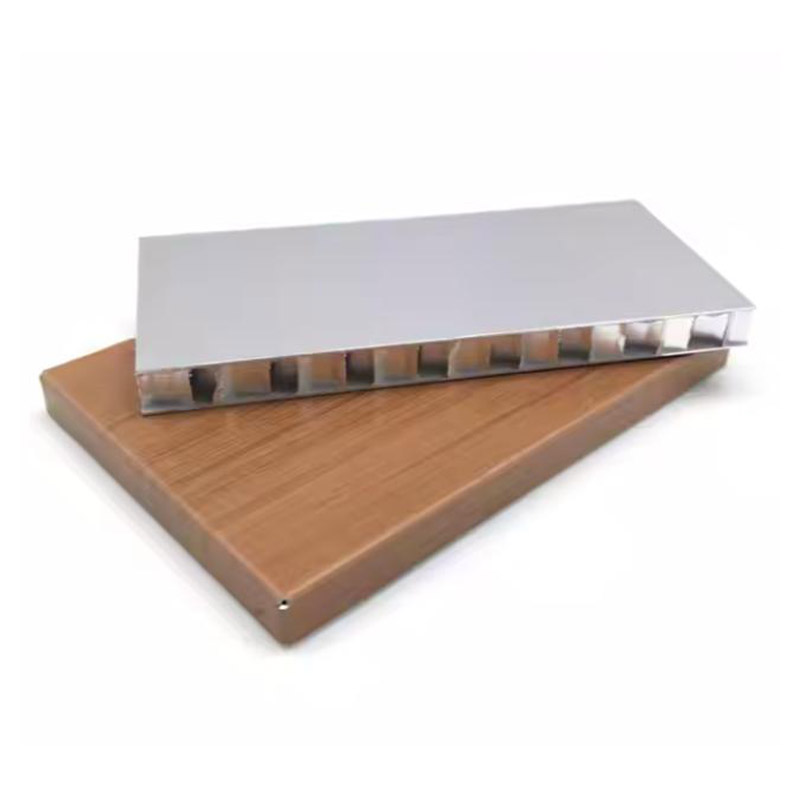
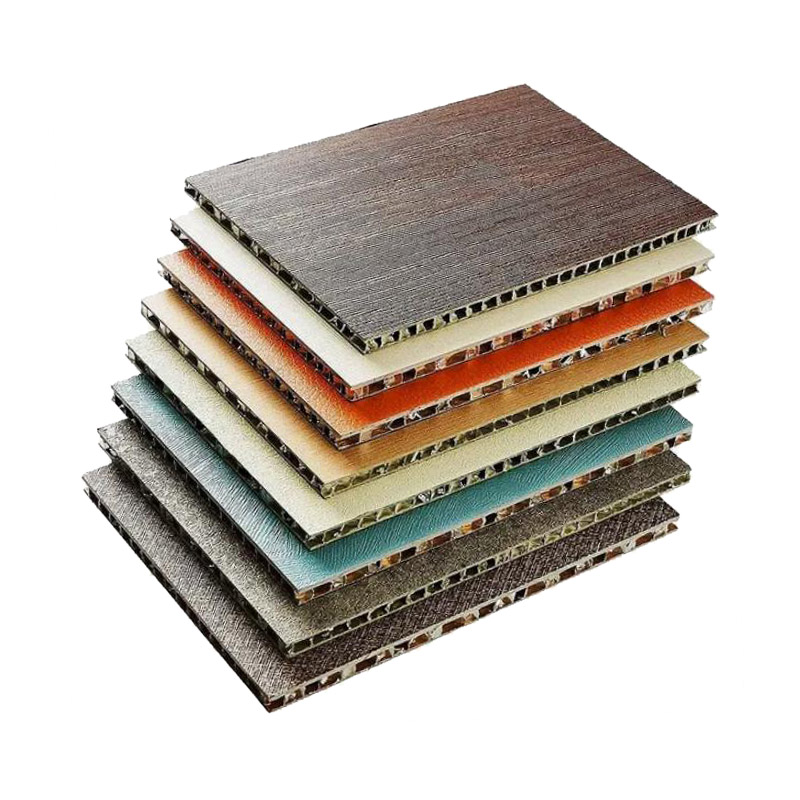
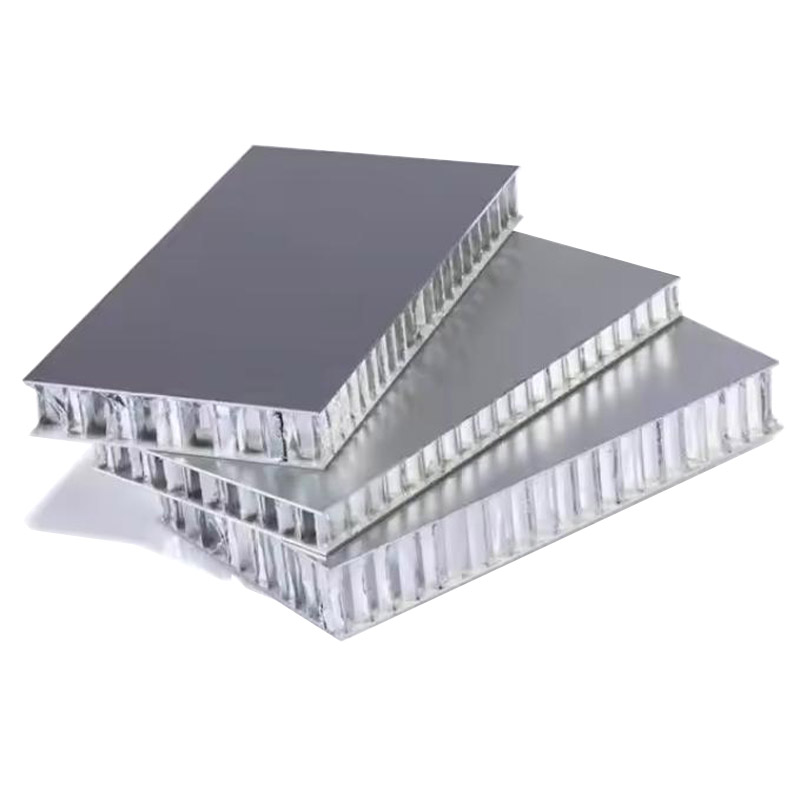
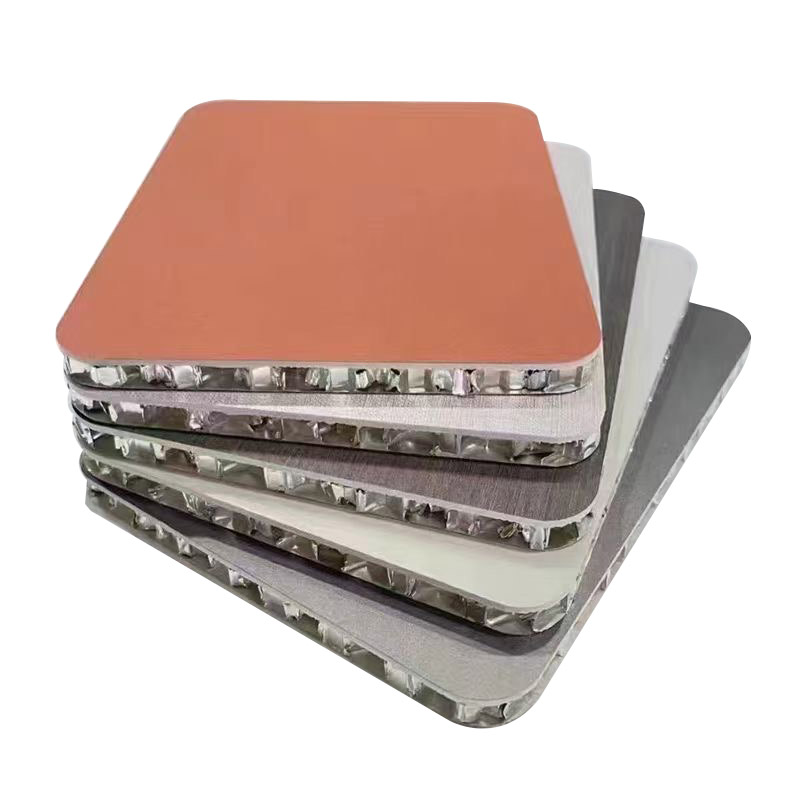
A high-quality aluminum honeycomb panel is a perfect combination of the outstanding performance and exquisite craftsmanship of its various components.
1. Aluminum panel and back panel
The panel and back panel are the direct layers of the board that resist the external environment and display aesthetic effects. Their quality is of vital importance.
- MMaterial and grade: Common aluminum alloy grades include 1060 (pure aluminum, with good corrosion resistance), 3003/3005 (manganese alloy, with excellent rust resistance and strength, the most commonly used), and 5005 (magnesium alloy, with higher strength). Extra attention should be paid to its condition. For example, H24 represents work hardening and partial annealing, which can ensure that the board has sufficient strength and flatness and is a common choice for high-quality panels.
- Thickness and Tolerance: The nominal thickness (0.5mm) could be different from the measured thickness. In high-quality plates, the thickness tolerance is strictly controlled, such as ±0.02mm. This is not only because of cost but also because it concerns the overall rigidity and flatness directly.Products that cut corners often focus on thickness.
- Surface coating: This is the core factor determining the durability and appearance of the board.
Materials selection: PVDF (fluorocarbon) coatings have excellent resistance to weather, ultraviolet rays, and self-cleaning properties. They are the ideal choice for outdoor applications such as curtain walls. PE (polyester) coatings offer good value for money, but they possess poor resistance to the weather and are mostly used indoors. Special coatings such as FEVE offer more performance possibilities.
Coating process and standards: Two-coat and one-bake (primer+topcoat) is the foundation, but high-quality outdoor panels generally adopt three-coat and two-bake (primer, topcoat, clear coat) to give more protection. International standards such as Qualicoat Class 2 or AAMA 2605 have rigid control over the film thickness and performance of fluorocarbon coatings and are important yardsticks for measuring the quality of coatings.
2. Honeycomb core
The honeycomb core endows the board with an extremely high strength-to-weight ratio and is the soul of its structural performance.
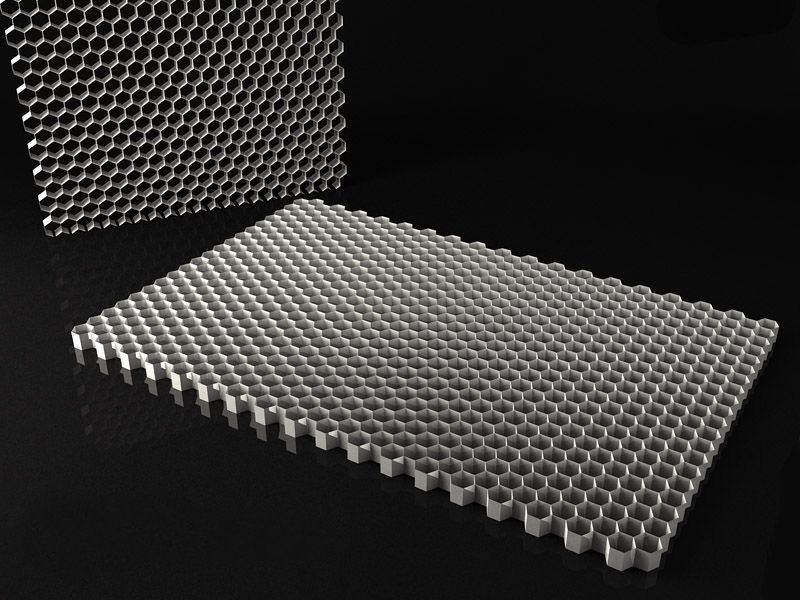
- Material selection: Aluminum honeycomb core has the most obvious comprehensive advantages in terms of strength, fire resistance and environmental friendliness, making it the first choice for high-end applications. Aramid paper honeycomb cores have good flame retardancy but are expensive. PP plastic honeycomb cores are low in cost but have poor strength and temperature resistance, and are mostly used in light-load indoor environments.
- Core specifications: The “side length” (such as 6mm) and “density” (such as the weight per square meter) of the honeycomb core directly determine its performance. Generally speaking, the smaller the side length and the higher the density, the more support points the honeycomb core has, the stronger the rigidity of the board made, and the better the flatness. Of course, the cost also increases accordingly.
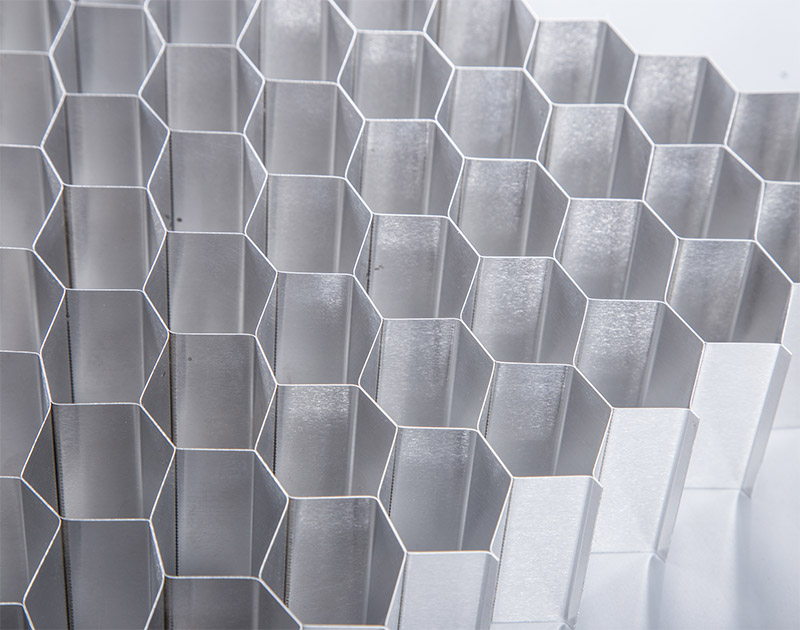
- Craftsmanship and quality: High-quality honeycomb cores should have uniform pores and be in a regular hexagonal shape. The aluminum foil itself should be clean and free of oil stains, and have been fully stretched to ensure the maximum bonding area with the panel.
3. Adhesives and composite processes
Adhesives and composite processes are the key to ensuring that the panel, back panel and honeycomb core are permanently combined as a whole, and their quality determines the long-term stability of the board.
- Adhesive type: Epoxy film is a representative of high performance. It melts and solidifies under hot pressure, forming a high-strength, solvent-free, aging-resistant, and high and low-temperature resistant bonding layer, completely avoiding the creep and aging problems that may occur with liquid adhesives. Although polyurethane adhesive is widely used, it is usually inferior to epoxy film in terms of long-term reliability and durability.
- Composite process: The hot-pressing composite process is the core link in manufacturing high-quality aluminum honeycomb panels. Under high temperature and high pressure, the epoxy film melts and solidifies uniformly, forming a dense whole for the entire board. Its bonding strength and durability far exceed those of normal pressure or cold pressing composite processes.
Performance Indicators
After understanding the composition, it is necessary to quantify the quality through specific performance indicators.
1. Mechanics and structural properties
- Peel strength: This is the most crucial indicator, directly reflecting the firmness of the bond between the panel/back panel and the honeycomb core. Reference can be made to ASTM D1781 or GB/T 1452 standards. The peel strength value of high-quality plates should be significantly higher than the minimum value required by the standards.
- Flatness: It is the capacity of large-format panels to keep their mirror-like flatness under their own weight, wind pressure, and temperature-humidity changes that influence the visual effect of the building’s view directly.
- These include flexural strength and stiffness: which reflect the resistance of the sheet to such external forces as wind loads and snow loads, and its resistance to deformation. They are particularly important for curtain walls and large ceilings.
2. Environmental durability and functional performance
- Weather resistance and corrosion resistance: The NSS time verifies that there is no bubbling or cracking on high-quality fluorocarbon-coated plates for more than 4000 hours. The xenon lamp aging test simulates long-term ultraviolet radiation.
- Fire resistance rating: It must be selected based on the application scenario. The exterior walls of buildings usually require A2 grade non-combustible materials, while interior decoration needs B1 grade flame-retardant materials or above. There are stricter specific standards in the field of transportation (such as DIN 5510, BS 6853).
- Sound insulation and heat preservation performance: The honeycomb structure itself can effectively block sound transmission and heat exchange. Relevant parameters such as sound insulation (Rw) and thermal conductivity (K value) can be inquired according to project requirements.
3. Dimensional stability and manufacturing accuracy
Tolerance control: It includes the tolerances of length, width, and diagonal length, as well as the diagonal difference. Strict tolerance control reflects the manufacturer’s exquisite craftsmanship and is the foundation for achieving a perfect installation effect.
Scene Application
Different application scenarios have different emphases on the performance of aluminum honeycomb panels.
- Building curtain walls/exterior walls: Weather resistance (PVDF coating), fire resistance rating (Class A), structural strength and flatness must be given top priority considerations.
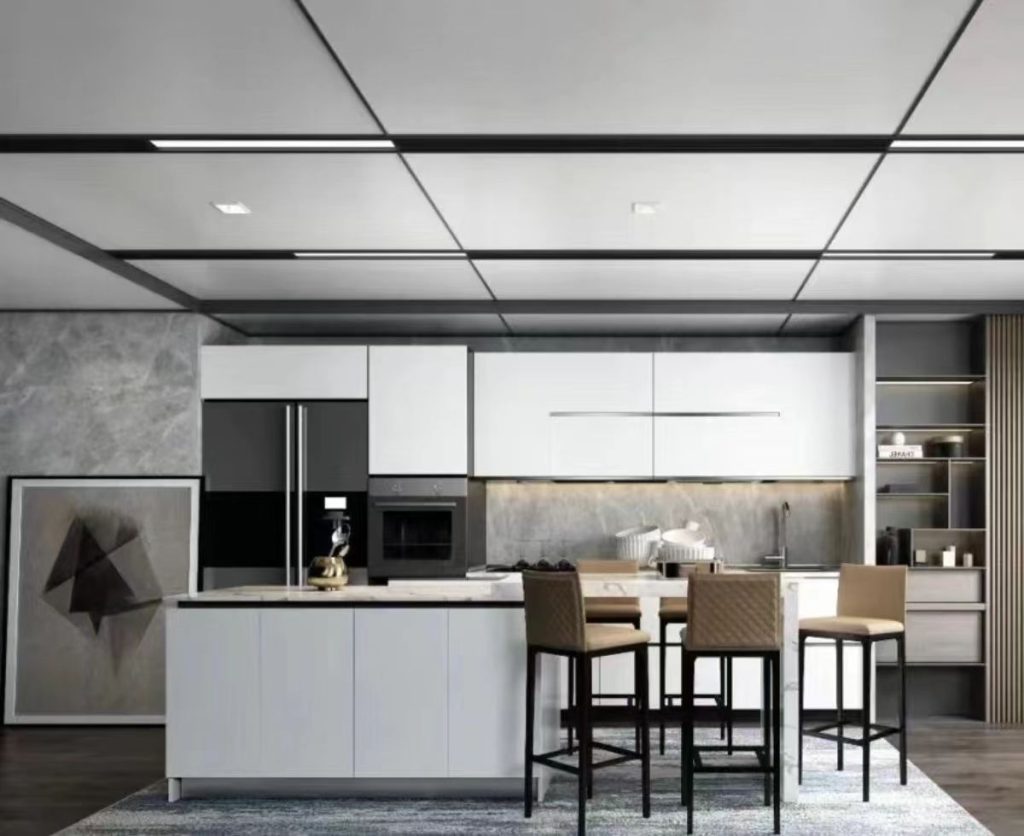
- Indoor ceilings/partitions: Emphasize aesthetics, extremely high flatness, lightweight, and at the same time, the fire resistance rating must reach B1 level or above, and pay attention to their environmental friendliness (low VOC emission).
- Transportation (subways, high-speed railways, ships) : There are extreme requirements for fire resistance ratings (strict smoke toxicity standards), lightweight, strength and durability. Specialized products that meet the corresponding industry standards should be selected.
- Industrial and special-purpose (marking, equipment boards) : Focus on processability (whether it is easy to cut, drill, and bend), wear resistance, and whether special surface treatments (such as conductive coatings) are required.
Selection Process And Pitfalls Avoidance
To transform theoretical knowledge into practical actions, follow these four steps to make the procurement process clear and understandable.
1. Clarify the application requirements
First, define your project: Is it for outdoor or indoor use? What are the most crucial performance requirements (fire resistance, sound insulation, and aesthetics)? What is the budget? A clear self-awareness is the first step to successful purchasing.
2. Examine the qualifications of the suppliers
Factory strength: Give priority to manufacturers with a complete industrial chain (from sheet metal, surface treatment to composite) and advanced automated equipment.
Test Report: It is essential to request the supplier to provide a full performance test report issued by a third-party authoritative institution (such as SGS, BV), and personally verify the data regarding composition, mechanical properties, fire resistance rating and corrosion resistance.
3. Request samples and conduct simple tests
Samples are the epitome of product quality.
Observation: Check whether the coating color is uniform and pure, and whether the edge cutting of the board is neat without burrs.
Touch: Feel whether the surface of the coating is smooth and fine.
Smell: High-quality products should have no pungent odor.
Test: Use a hard object such as a key (after obtaining permission) to scratch the coating forcefully. High-quality PVDF coating has high hardness and is less likely to leave scratches. Observe the cross-section of the sheet and verify the material and thickness of each layer.
Avoid Common Problems
During the procurement process, please be vigilant against the following traps:
Question 1: Low price temptation.
Avoidance: Keep in mind that “you get what you pay for.” Behind the price far lower than the market rate, it is highly likely that there are recycled aluminum materials, inferior paint, non-environmentally friendly glue and outdated cold-pressing technology. The lifespan and safety of this type of board are not guaranteed at all, and its comprehensive cost throughout its entire life cycle is even higher.
Question 2: Parameter ambiguity.
Avoidance: Require suppliers to clearly and unambiguously include all verbally promised technical parameters, including aluminum alloy grade, measured thickness, coating type and standard, performance indicators, etc., in the sales contract or technical agreement.
Question 3: Confusing concepts.
Avoidance: Clearly distinguish between “aluminum composite panels” (i.e., aluminum-plastic panels with a plastic core in the middle) and “aluminum honeycomb panels” as two completely different products, with significant differences in performance and price. At the same time, it is essential to clearly distinguish the huge difference in weather resistance between “polyester paint (PE)” and “fluorocarbon paint (PVDF)” to prevent inferior products from being passed off as good ones.
Question 4: The sample does not match the actual item.
Avoidance: After determining the supplier, it is essential to seal the samples and have both parties sign for confirmation. Take this sealed sample as the acceptance benchmark for bulk production and clearly specify it in the contract.
Conclusion
Selecting high-quality aluminum honeycomb panels is by no means a simple comparison of price and appearance; rather, it is a systematic decision-making process involving materials science, performance engineering, manufacturing processes, and supplier evaluation. The cheapest option often implies the highest long-term risk and life cycle cost. Through the systematic analysis and practical strategies in this guide, you have mastered the key to distinguishing authenticity and evaluating quality. Investing in high-quality products and suppliers that have been proven to have a sound quality system and strong technical support is undoubtedly the wisest investment made for the long-term reliability, safety and outstanding aesthetic value of your project.