
Magnesium Oxide Board vs. Gypsum: Which is A Better Buy?
When choosing materials for decoration, the selection of the base panels for walls and ceilings directly determines the durability, safety and maintenance costs of the space. Among the numerous base panels, magnesium oxide boards and gypsum boards are the two most commonly used types, but they often leave decorators in a dilemma – which one is more worth buying?
Table of Contents
What Are The Two Types of Boards?
Magnesium oxide board
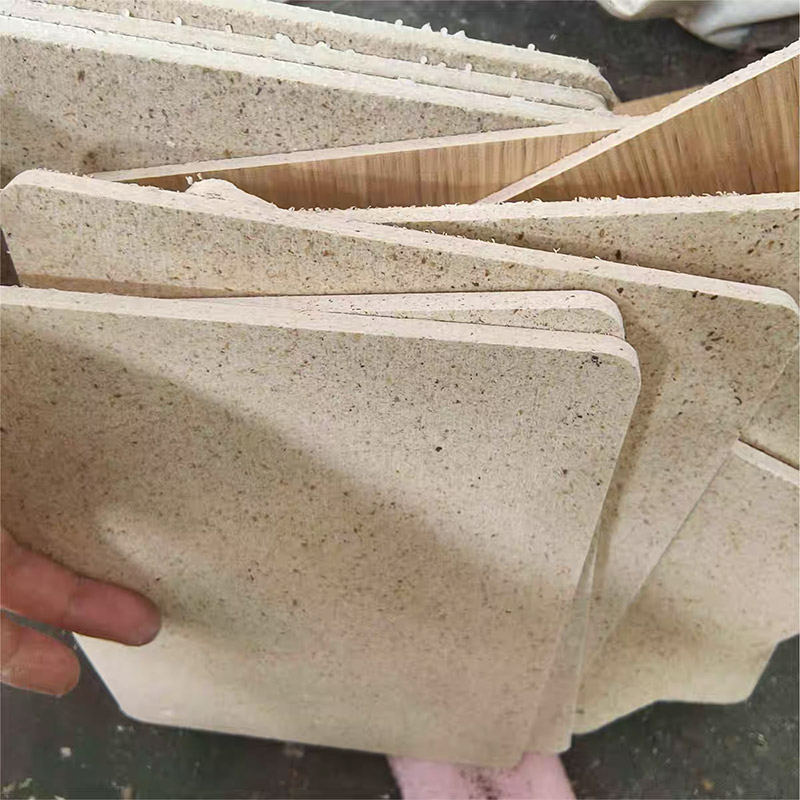
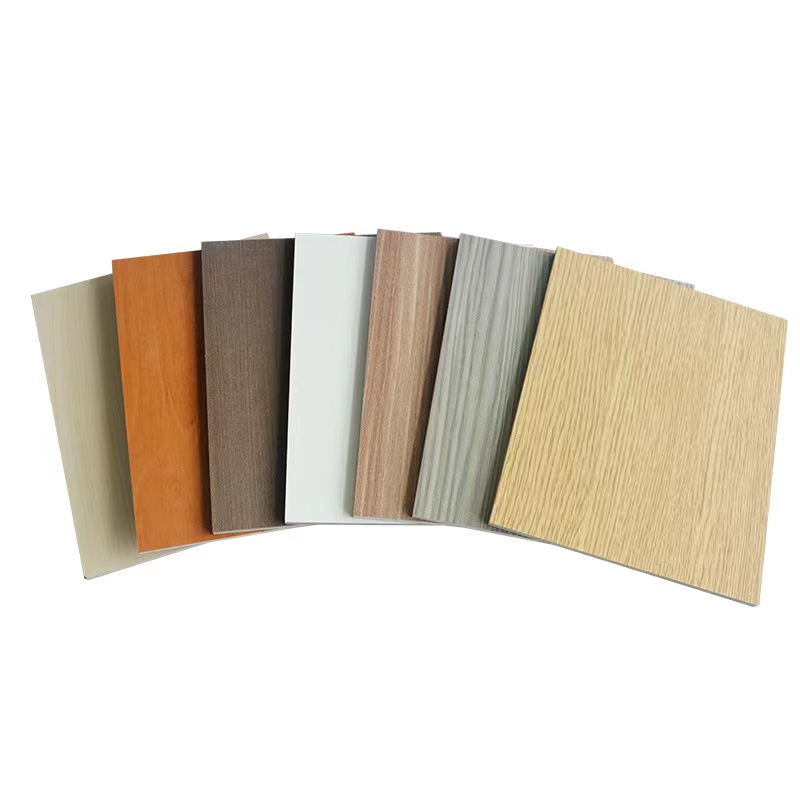
The magnesium oxide board is a five-level fire-resistant composite material board mainly made of magnesium oxide, magnesium chloride, glass fiber cloth, etc. It is an inorganic mineral material that does not burn when exposed to fire and has a stable structure. It is widely used in the building fire protection system.
Main features:
- Natural non-combustible material with strong high-temperature resistance
- Dense structure with good impact resistance
- Superior moisture and mildew resistance compared to traditional boards
- Long service life
Gypsum board
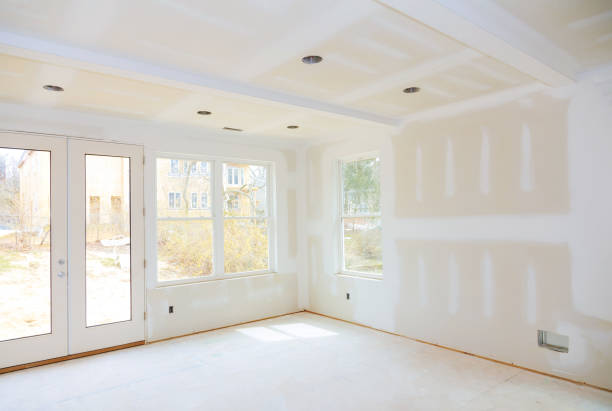
Gypsum board is mainly made of gypsum that is calcium sulfate and paper wrapped, is currently one of the most common lightweight wall materials.
Key Features:
- Lightweight and easy to install
- Relatively low cost
- Easy to finish surfaces
- Abundant market supply, familiar to construction teams
Fire Resistance Performance Comparison
| Project | Magnesium Oxide Board | Cast Stone Board |
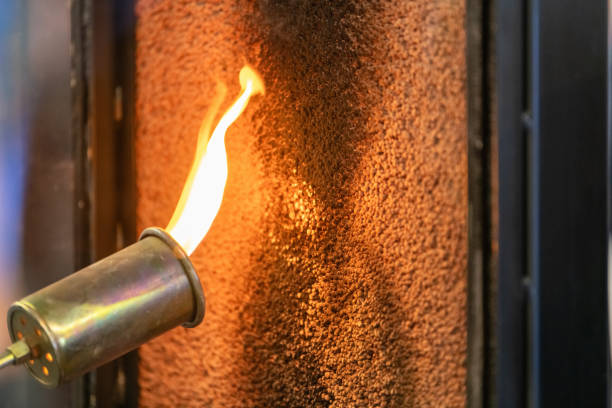
| Fire Resistance | Truly non-combustible | Dependent on type |
| Fire Resistance Grade | A-level non-combustible (high) | Ordinary lower, fire-resistant medium |
| High Temperature Performance | Structurally stable, not prone to failure | Strength decreases after high temperature |
| Flame Spread Containment Capacity | Excellent | Moderately Poor |
Conclusion (Fire Resistance):
If your project has strict fire safety requirements (such as factories, warehouses, high-rise buildings, public spaces), magnesium oxide boards are more reliable.
Gypsum boards can be treated for fire resistance, but their overall fire resistance is not as good as that of magnesium oxide boards.
Durability & Environmental Adaptability
| Dimension | Magnesium oxide board | Gypsum board |
| Impact resistance | Very strong | Normal |
| Moisture-proof and mold-proof | Very strong | Poor (easy to absorb water and deform) |
| Life span | Long | Medium |
| Suitable environment | Damp, high humidity, large temperature difference | Dry, at room temperature |
Scene suggestion:
Basement / Workshop / Kitchen / High-humidity area
→ Opt for magnesium oxide board
Interior common partition / Dry area decoration
→ The gypsum board is sufficient
Cost and Construction Comparison
Material Cost: The price of magnesium oxide board ranges from two to four times gypsum board costs, which makes gypsum board the most affordable choice.
Installation Cost: Magnesium oxide board is heavier, requiring a stronger joist, resulting in higher labor costs; gypsum board is lightweight, requiring only a standard joist, making construction simpler, labor costs lower, and easy for any home improvement professional to handle.
Post-Construction Maintenance: Magnesium oxide board is resistant to damage and requires virtually no maintenance; gypsum board is easily bumped, damaged by moisture, and deforms, leading to frequent repairs, which are inexpensive but troublesome.
Summary of Recommendations
For the use of magnesium oxide boards:
When you require the highest level of fire protection (such as in high-rise buildings, public entertainment venues).
When you need to use it in humid environments (such as bathrooms, kitchens, basements).
When you need a high-strength, durable substrate (such as for closet backs, door and window casings).
When you need antibacterial properties (such as in hospitals, food processing areas).
The situations where gypsum board is chosen:
When you need to create complex ceiling or wall designs.
When you have high requirements for sound insulation.
When your budget is limited and the usage environment is dry with low fire safety requirements.
When you need a simple and quick construction process.
The best option for fire resistance and water resistance and durability testing needs to be magnesium oxide board when your budget allows for this cost. If you are seeking cost-effectiveness, ease of processing and good sound insulation, gypsum board is more common and practical.