
Rebar Connection Methods Compared: Cold Extrusion vs. Threaded Couplers vs. Grouted Sleeves — Which One Works Best?
In reinforced concrete structures, the performance of rebar connections directly affects structural safety, load continuity, construction efficiency, and overall project cost. With the development of high-rise buildings, bridges, underground engineering, and prefabricated buildings, traditional rebar splicing methods are no longer sufficient to meet the requirements of modern engineering for strength, spatial stability, and quality.
At present, the widely adopted mechanical connection methods for reinforcing bars in engineering mainly include cold extrusion sleeve connection, straight thread sleeve connection and grouting sleeve connection. Different connection methods vary significantly in terms of principle, construction conditions and applicable scenarios. Improper selection often leads to quality risks, project delays or cost waste.
This article will objectively compare three mainstream steel bar connection methods from an engineering practical perspective, helping designers, construction units and project managers make reasonable choices.
Table of Contents
Overview of Common Steel Bar Connection Methods
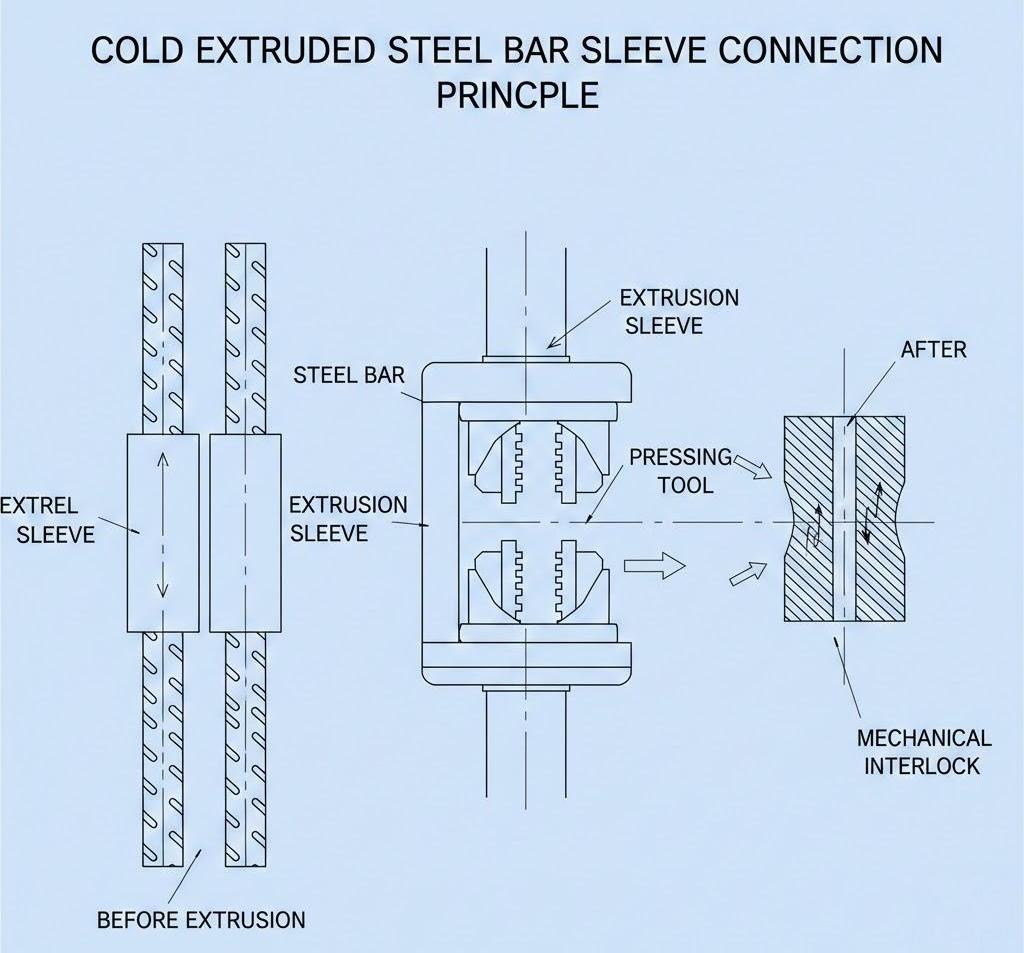
Cold extruded steel bar sleeve connection
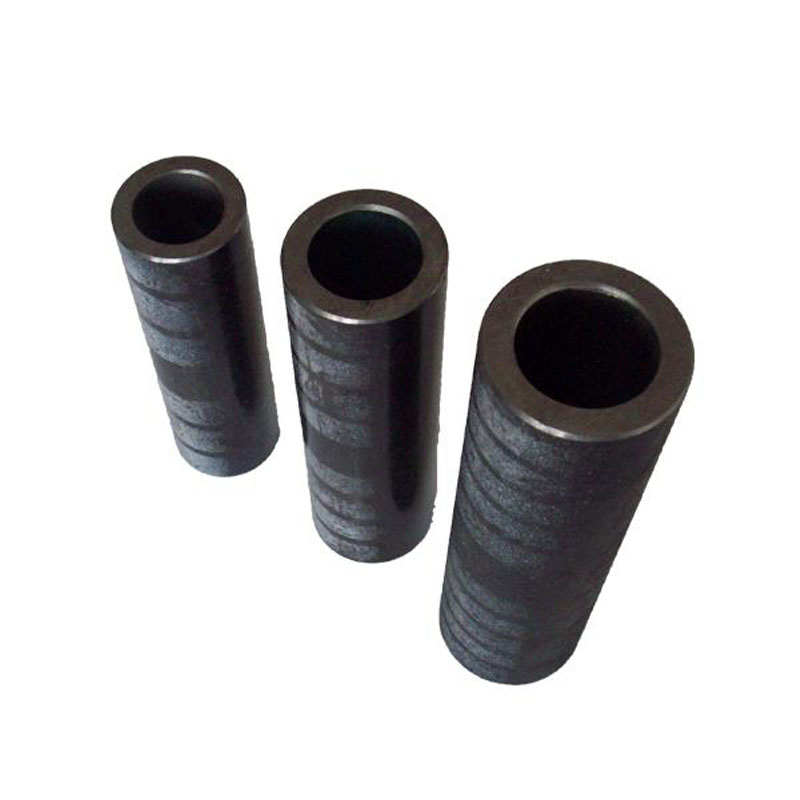
This is a pure mechanical pressure bite. Through ultra-high-strength hydraulic equipment, a huge pressure is applied to the specially designed steel sleeve, causing it to undergo permanent plastic deformation. The protruding ribs or tooth patterns on the inner wall of the sleeve are forcefully pressed into the transverse rib gaps of the reinforcing bars, forming a mechanical interlock with interlocking teeth. This process does not involve thermal effects, chemical changes or precision threads. It purely relies on the deformation and meshing of metals to achieve force transmission.
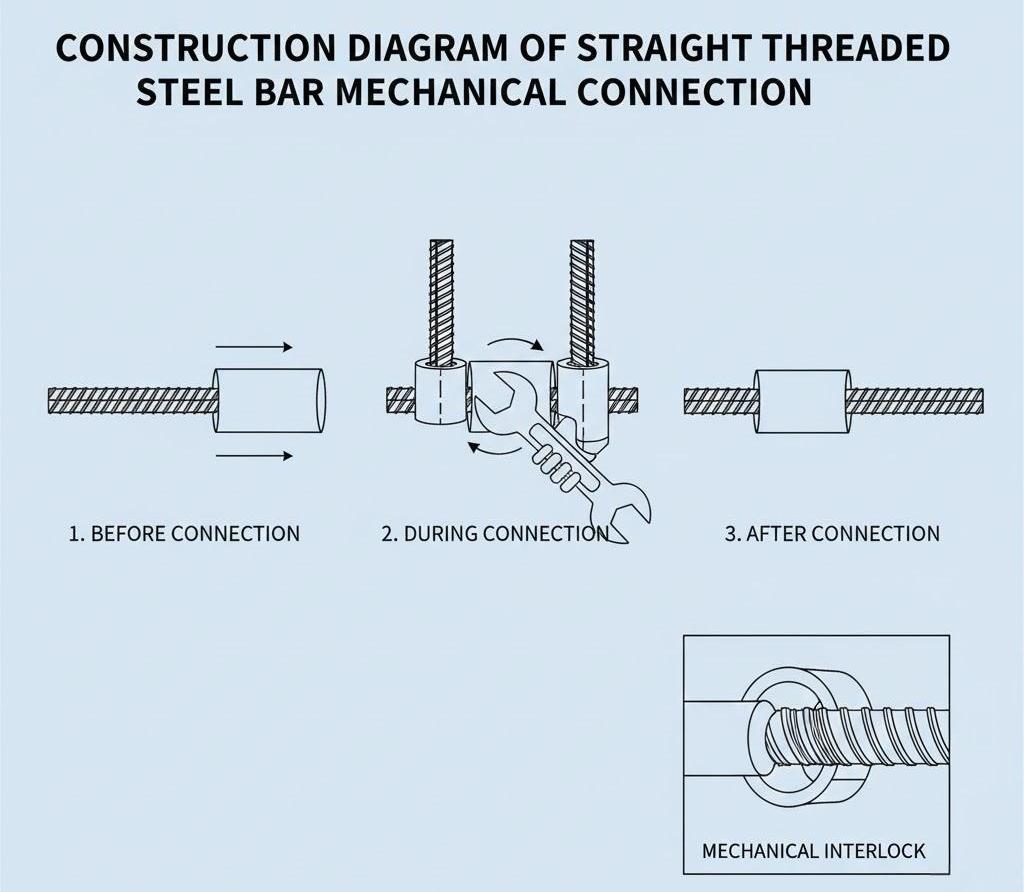
Straight thread steel bar sleeve connection
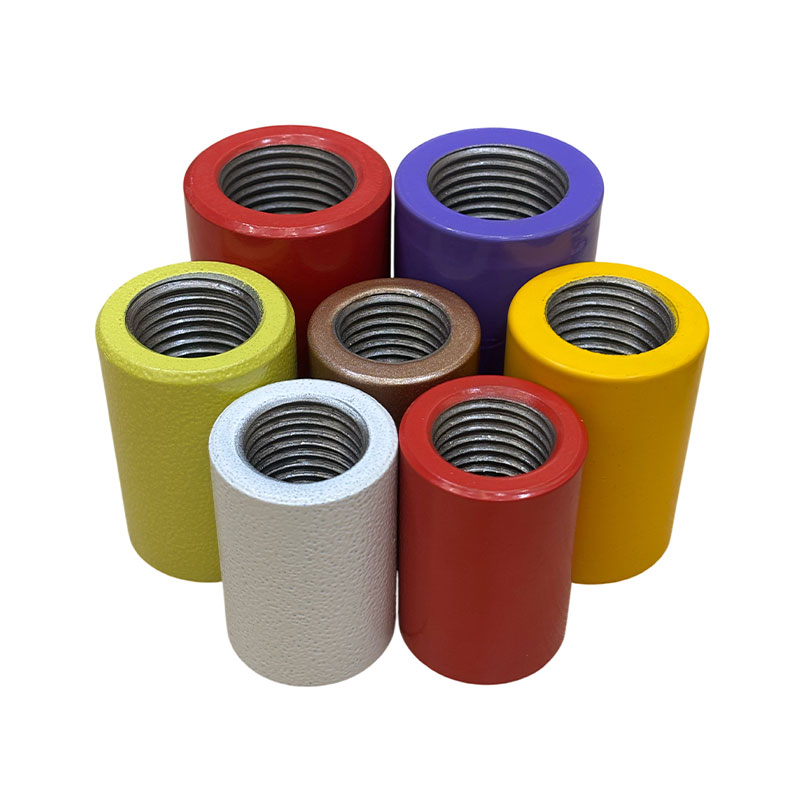
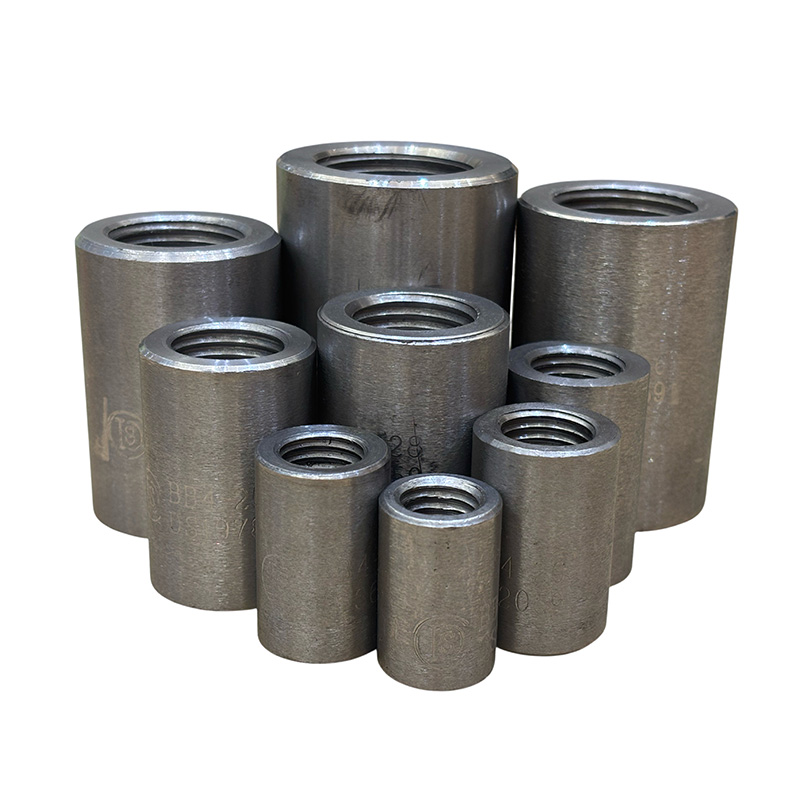
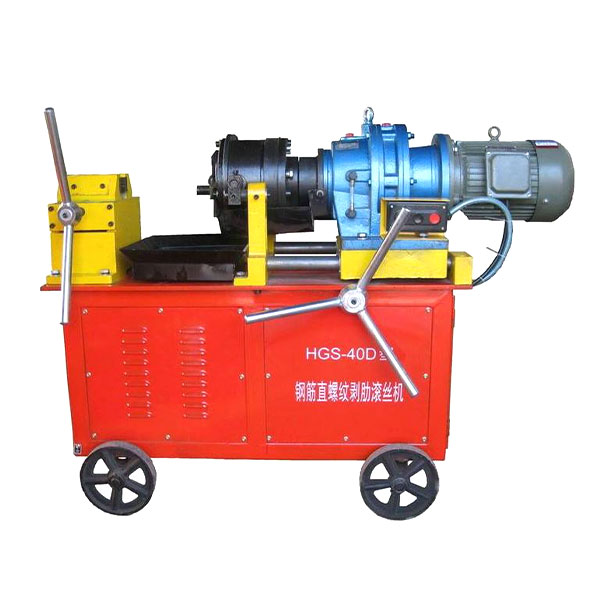
This is the screwing of precision machinery. First, high-strength and precise straight threads are machined at the ends of the reinforcing bars through rolling or turning. Then, through a sleeve with internal threads, tighten and fix the two reinforcing bars just like connecting bolts and nuts. The core lies in the machining accuracy and engagement length of the thread to ensure that the load is effectively transmitted through the shear and pressure-bearing surfaces of the thread.
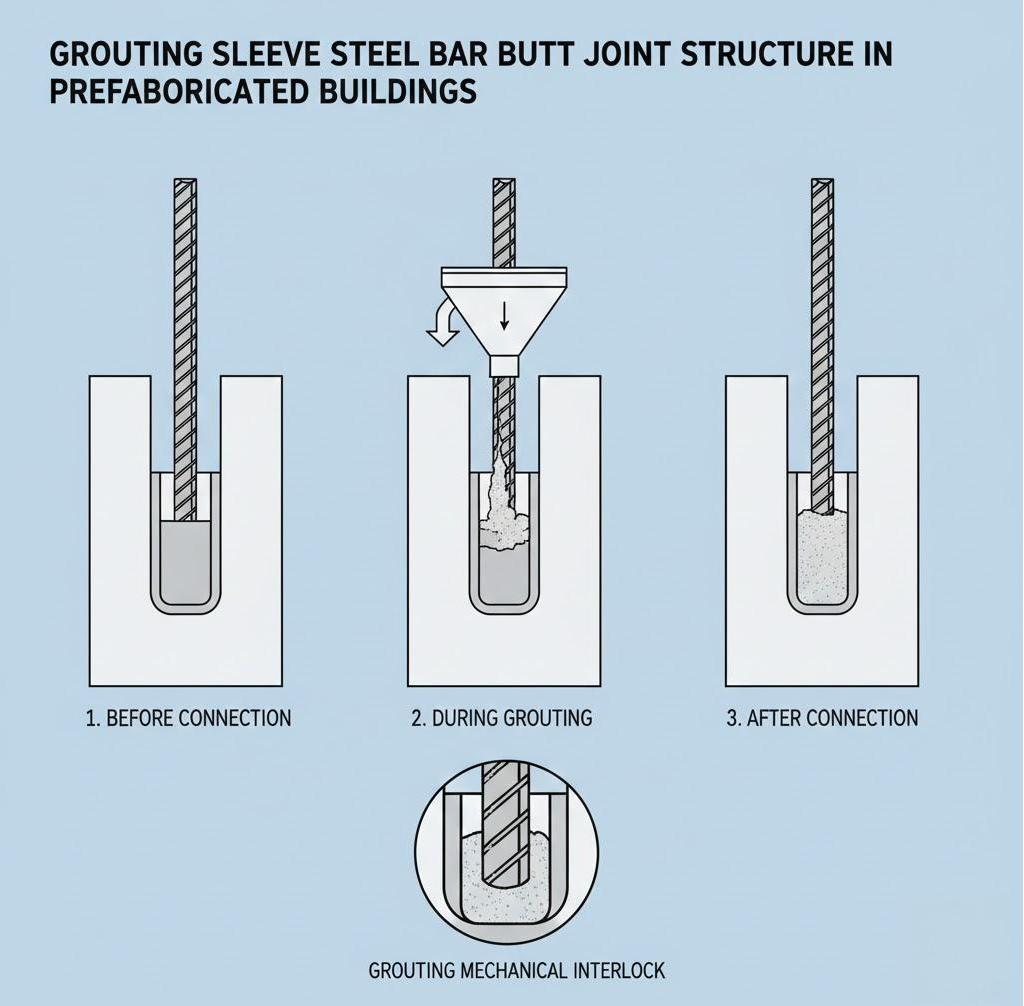
Grouting sleeve connection
This is a combination of chemical and mechanical anchoring. Insert two reinforcing bars from both ends into a specially designed hollow sleeve with grooves or protrusions inside, maintaining a certain gap. Then, a special cement-based grouting material with ultra-high strength and slight expansion is injected through the reserved grouting holes. After the grouting material hardens, on the one hand, it forms a strong chemical bonding force (adhesive force) with the surface of the steel bars; on the other hand, through the internal structure of the sleeve, it mechanically interlock with the transverse ribs of the steel bars, thereby achieving force transmission.
Comparison of Working Principles
Although all three methods can achieve continuous force transmission on the reinforcing bars, there are obvious differences in their force transmission mechanisms:
- Cold extrusion connection: Force transmission is achieved through mechanical interlocking formed by the plastic deformation of the sleeve
- Straight thread connection: Tensile force is transmitted through the meshing of threads
- Grouting sleeve connection: Force transmission relies on the bonding of grouting material and the constraint of the sleeve
Different principles directly affect the connection strength, construction speed, quality stability and on-site adaptability.
Comprehensive Comparison Table of Steel Bar Connection Methods
| Comparison dimension | Cold extrusion sleeve | Straight thread sleeve | Grouting sleeve |
| Connection principle | Cold-extruded plastic deformation interlocking steel bars with sleeves | Threaded mechanical connection | Grouting bonding force transmission |
| Tensile strength performance | It can reach or exceed the strength of the base material of reinforcing bars | The processing qualification can reach the strength of the base material | Affected by the quality of grouting |
| On-site construction speed | fast | Medium | Slow (requires grouting and curing) |
| Equipment requirements | Hydraulic extrusion equipment | Threading machine, torque tools | Grouting equipment, curing control |
| Artificial technical requirements | Medium | Higher (thread turning accuracy) | Higher (Grouting quality control |
| Comprehensive cost | Medium | Medium to high | Higher |
| Treatment of the ends of reinforcing bars | No processing required | The thread must be turned. | No threading required |
| Adaptability to ribbed steel bars | Excellent | Precision processing is required. | Good |
| In-situ connection capability | Extremely strong | Poor | Better |
| Space occupation | small | In the | big |
| Quality stability | High (under the premise of operational norms | Stable under factory conditions | It has a strong dependence on construction |
| Detection difficulty | low | low | Medium to high |
Analysis of The Advantages and Disadvantages of Each Connection Method
Cold extrusion sleeve connection
Advantages
No threading or heating is required
It is particularly suitable for existing reinforcing bars and in-situ connections
It has strong adaptability to ribbed steel bars
High load-bearing capacity
It is suitable for areas with limited space
Limitations
Special extrusion equipment is required
Operations must be carried out strictly in accordance with the process
Straight thread sleeve connection
Advantages
The connection quality is stable and controllable
Suitable for standardized and batch construction
Intuitive detection
Limitations
The reinforcing bars must be rotatable and processable
It is not suitable for dense reinforcement or in-situ connection
There are many processing procedures.
Grouting sleeve connection
Advantages
Suitable for the connection of prefabricated components
It has a certain tolerance for installation errors
No threading required
Limitations
It is highly dependent on grouting materials and curing conditions
Long construction period
The cost is relatively high.
Under What Circumstances is A Cold Extrusion Sleeve The Best Choice?
Under the following engineering conditions, cold extruded steel bar connections are often the optimal or even irreplaceable choice:
- The in-situ connection of ribbed steel bars cannot rotate the steel bars
- The situation where the reinforcing bars cannot be threaded or the processing conditions are not available
- Reinforcement and renovation projects of existing structures
- Areas with dense steel bars and limited construction space
- Projects that require rapid construction and a reduction in the number of preliminary processing procedures
In the above-mentioned scenarios, cold extrusion connections are significantly superior to straight threads and grouting sleeves in terms of construction efficiency and engineering adaptability.
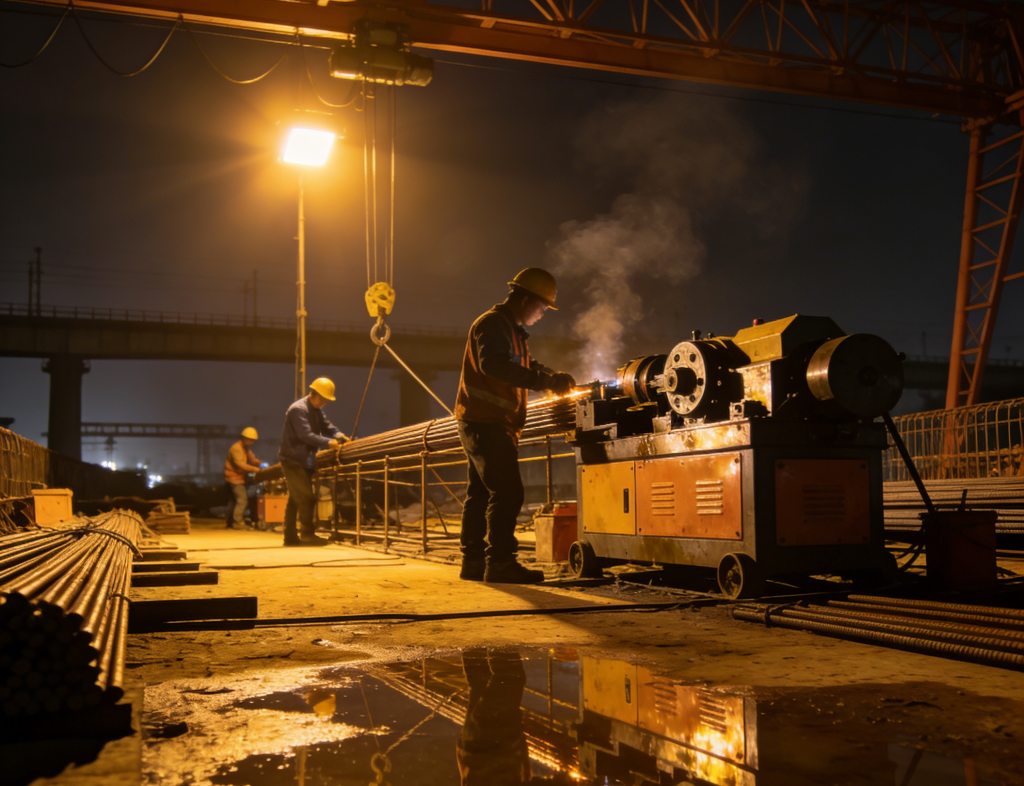
Typical application scenarios
- Shear wall and core tube structure of high-rise buildings
- Subways, tunnels and underground works
- Bridges and heavy-load structures
- Structural reinforcement and seismic retrofitting project
- Rapid construction project of cast-in-place concrete structures
How to choose the appropriate way to connect steel bars
When selecting the type of project, the following should be comprehensively considered:
- On-site construction conditions and space limitations
- The condition of reinforcing bars (newly installed or existing reinforcing bars)
- Construction period requirements and manual organization
- Cost and performance balance
- Difficulty in quality control
There is no “universal solution” that applies to all projects; there is only the connection method that best suits the actual conditions of the project.
Conclusion
Cold extrusion, straight thread and grouting sleeve connections each have clear technical positioning and application scopes. Straight threads and grouting sleeves are more suitable for factory or prefabricated construction, while cold extrusion sleeves have irreplaceable advantages under engineering conditions such as in-situ connection, inability to thread, and limited space.
A thorough understanding of the characteristics of different connection methods helps to achieve the optimal balance between construction efficiency and cost control while ensuring structural safety.