

SPC Flooring vs Hardwood: Which Is Better for High-Traffic Areas?
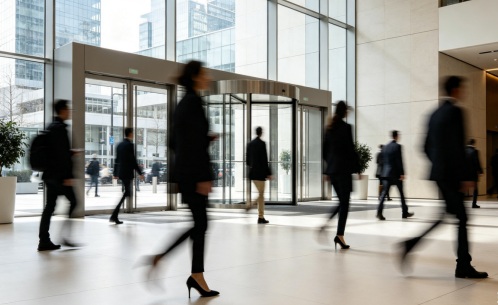
A shop entrance, a hotel corridor, a restaurant walkway — these spaces take a beating every single day from foot traffic, rolling carts, and spilled liquids. Many buyers still choose flooring based on looks alone, only to find their beautiful hardwood floor visibly scuffed and dulled within a couple of years. In the following sections, we’ll look at SPC flooring with hardwood for performance in high-traffic areas -wearing resistance, resistance to moisture, maintenance cost, durability – not the general aesthetics.
Why High-Traffic Areas Need Different Flooring Criteria
The high-traffic areas have different requirements as compared to a bedroom that is quiet. Durability of the wear layer the resistance to impact, water resistance, and ease of maintenance are more important than how real the wood grain appears or how warm the floor feels beneath your feet. Each comparison below is focused on these aspects of the floor because they’re what determine how well a floor performs under the constant stress of daily use.
Wear Resistance: Which Holds Up Better to Foot Traffic?
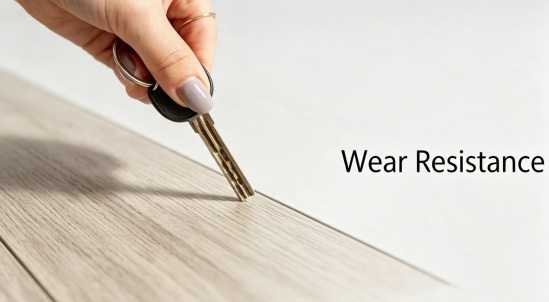
SPC flooring’s structural advantage starts with its rigid stone-polymer core, which will not dent from heavy furniture, high heels, or dropped objects — a common failure point for softer materials. Premium SPC products feature wear layers of 20 to 28 mils with ceramic-bead reinforcement for superior scratch resistance, and many carry commercial traffic ratings built for demands beyond typical residential use.
Hardwood tells a different story. Engineered hardwood resists dents reasonably well thanks to its cross-layered plywood core, but it scratches more easily than vinyl — precisely the failure mode most visible at entrances and hallways where foot traffic is concentrated. Where SPC’s rigid core distributes impact, hardwood’s surface finish is the only thing standing between daily wear and a visibly damaged floor.
Water and Moisture Resistance in Real-World Use
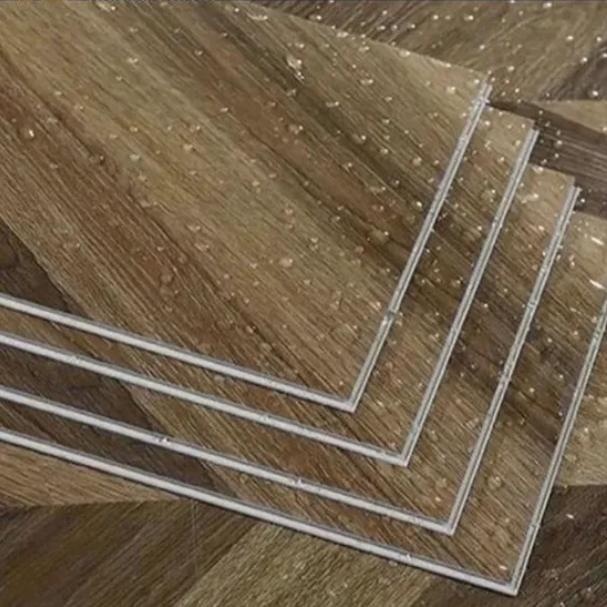
High-traffic commercial spaces almost always come with elevated moisture exposure — wet shoes, spilled drinks, mopping. SPC does not absorb water under any conditions and can even be submerged without damage, since the waterproofing is built into the core material itself, not just a surface coating.Hardwood, and even engineered versions that are sold as water-resistant, doesn’t really have that same built-in structural advantage. If you leave standing water on “waterproof” engineered hardwood for a long time, it can still lead to issues, because the layers of coating mostly increase moisture resistance not. So for an entryway where wet shoes show up every single day, that difference ends up mattering more, than it would in a dry, low-traffic space.
Maintenance and Repair: Which Costs Less Over Time?
Day-to-day cleaning favors SPC: its waterproof, scratch-resistant surface tolerates regular mopping and foot traffic without special care. Hardwood generally needs gentler cleaning products and closer monitoring of humidity to avoid warping.
The bigger difference shows up when damage happens. Hardwood’s real durability advantage comes not from being impervious to damage, but from its ability to be sanded and refinished — a solid floor can typically be refinished multiple times over decades. SPC flooring can’t be refinished the same way; once its wear layer degrades, the affected planks generally need replacing rather than restoring, though individual planks can often be swapped without redoing the whole floor. For a commercial space, that trade off often favors SPC anyway, since swapping out a section usually causes less downtime than sanding and refinishing of a full hardwood floor on-site, and honestly, that difference can matter a lot when you’re trying to keep a lobby open.
Cost and Lifespan Comparison for Commercial Use
The lifespan really depends on the quality tier for both materials. Premium LVP or SPC with a 20-mil or thicker wear layer usually ends up around 20 to 30 years, but the cheaper versions with a thinner wear layer can start looking rough within 5 to 10 years. Hardwood has the longer headline lifespan on paper, like solid hardwood that can go 50 to 100+ years and be refinished about 4 to 6 times, yet that number comes with conditions, mostly lower-traffic control and regular professional refinishing. In a busy commercial environment, those things are harder to keep consistent because the flooring is rarely removed from service long enough for proper sanding and the whole process.
Where Hardwood Still Makes Sense
None of this makes hardwood the wrong choice everywhere. In lower-traffic residential spaces — a formal living room, a private bedroom, or a boutique space prioritizing authentic wood character and long-term refinishing potential — hardwood’s natural appearance and restorability remain genuinely attractive. The comparison here is really more about performance in high traffic, not the overall flooring quality.
Which Should You Choose for Your High-Traffic Space?
If we’re talking about retail entrances, hotel hallways, restaurants, offices, or other commercial places that get a lot of people coming through daily, SPC flooring tends to be the more practical bet. Its rigid waterproof inner core and reinforced abrasion layer usually handle everyday movement pretty well. Then again, for quieter home rooms where the ability to refinish and that natural wood feeling matters more than plain moisture defense, hardwood is still a steady contender.
For spaces that take a daily beating — entrances, corridors, retail floors — SPC flooring’s structural waterproofing and reinforced wear layer typically deliver more reliable long-term performance than hardwood. If you’re sourcing SPC flooring for a commercial or hospitality project, Huigong offers CE- and SGS-certified SPC flooring with free samples and OEM/ODM support for bulk orders.