
The Role of Rebar Coupler Threading Machines in Mechanical Rebar Connections
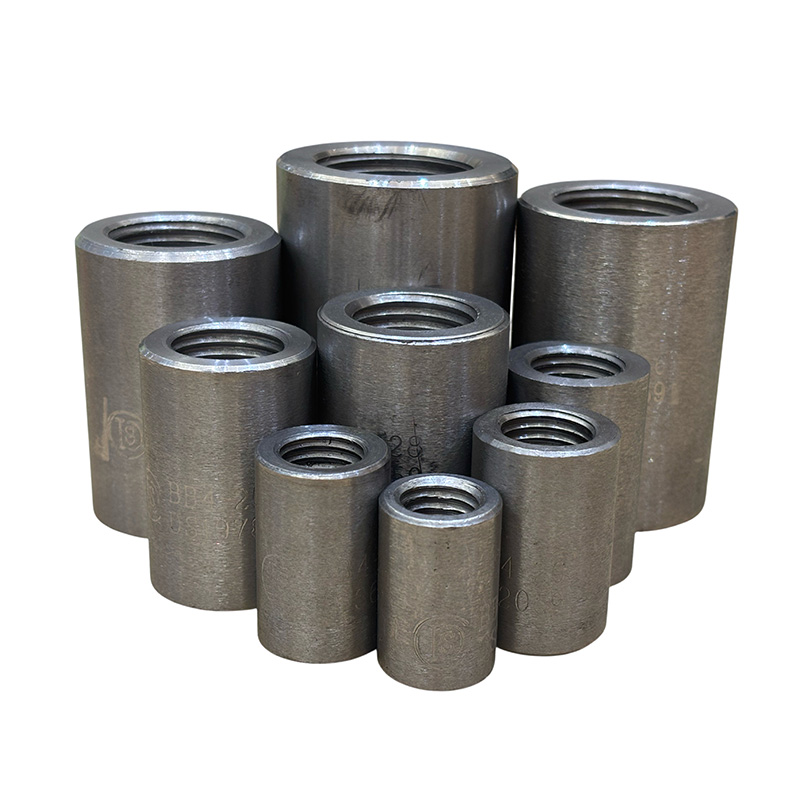
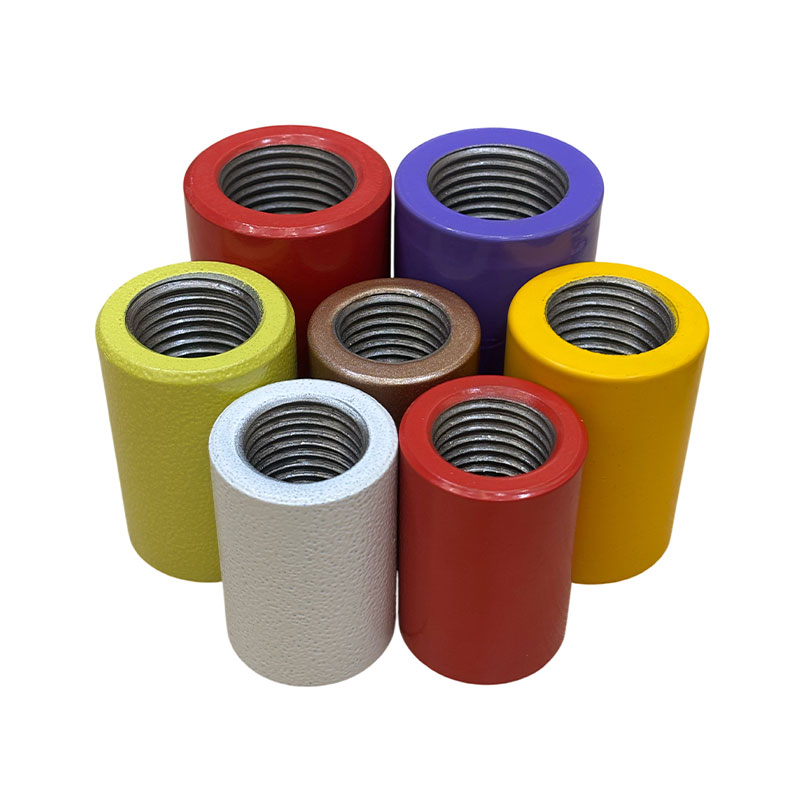
In the mechanical connection system of reinforcing bars, the rebar coupler is often regarded as the core product. However, in actual engineering, the key step that truly determines whether the connection quality is stable and whether it can meet the equivalent strength requirements is the processing of the threads at the ends of the reinforcing bars.
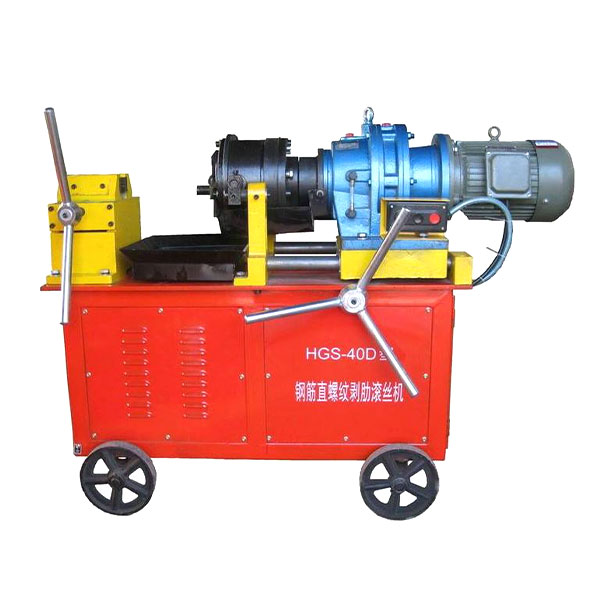
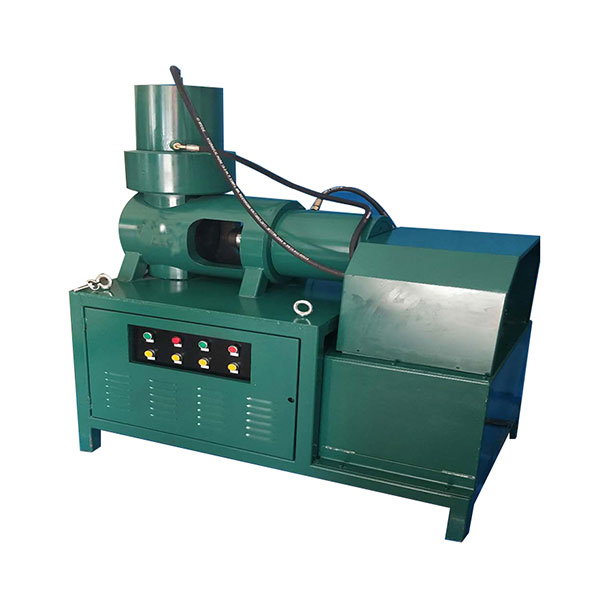
And the equipment that completes this crucial step is precisely the rebar coupler threading machine.
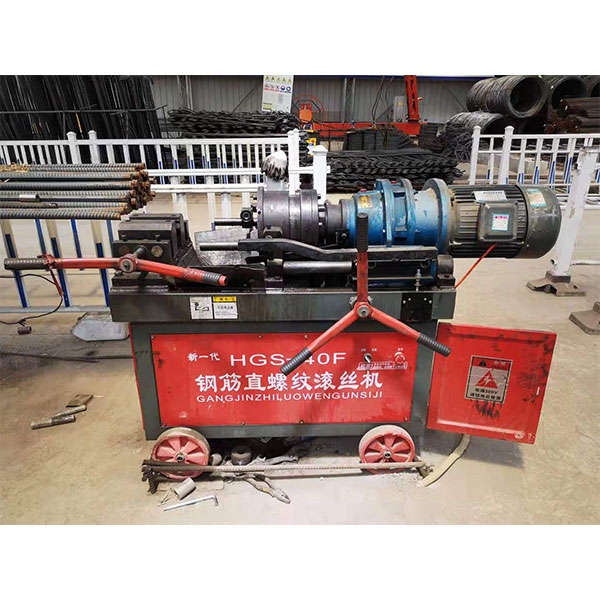
From an engineering perspective, the rebar coupler threading machine is not merely a simple auxiliary device; rather, it is an indispensable core device in the reinforcing bar mechanical connection system.
Table of Contents
Why Must Rebar Connections Rely On Rebar Coupler Threading Machine?
The steel bars themselves are either smooth or ribbed and cannot be directly connected to the coupler. The primary task of the threading machine is to process the ends of the steel bars into standard, continuous and complete straight external threads, transforming the “unconnectable” state of the steel bars into a “precisely connectable” state. Without standardized processing, the ends of the steel bars cannot form a reliable and repeatable force interface with the connectors.
The Role of Rebar Coupler Threading Machine In Rebar Connection
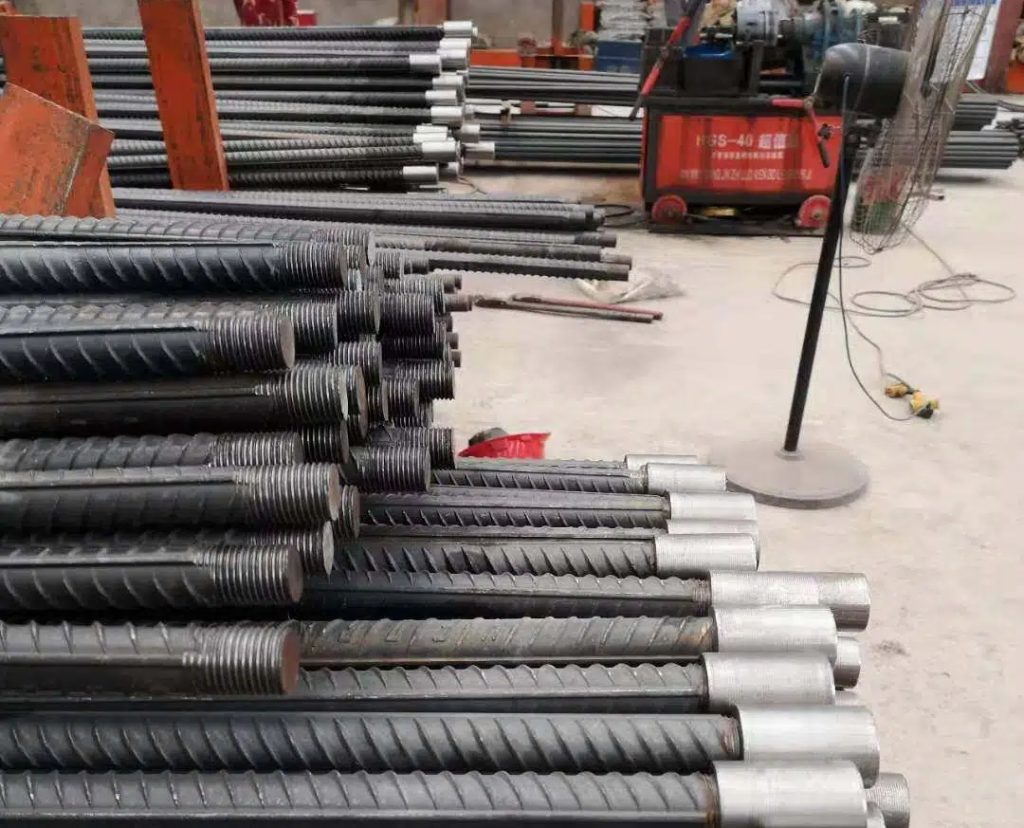
Transform the ends of the reinforcing bars into standard connection interfaces
The thread processing machine achieves this by means of stripping and rolling (or cutting) processes, resulting in the following characteristics at the end of the steel bars:
- Uniform diameter
- Clear thread profile
- Stable pitch and depth
This process transforms the steel bars from “raw materials” into connection ends that can precisely match the rebar coupler, marking the first step in the mechanical connection of steel bars.
Ensure that reinforced thread and rebar coupler inner exact match
In the mechanical connection system:
- The inner diameter and internal threads of the rebar coupler are fixed design values.
- The end threads of the reinforcing bars are variable and are formed through processing.
The core task of the thread processing machine is to stably control the size of the reinforcing bar threads within the matching range allowed by the inner diameter of the connector.
If the processing accuracy is insufficient, the following problems will occur:
- Insufficient thread engagement
- Stress is concentrated in a few tooth types
- The connection strength cannot meet the equal-strength requirements.
Therefore, the processing accuracy of the threads directly determines whether the design of the inner diameter of the connector is truly effective.
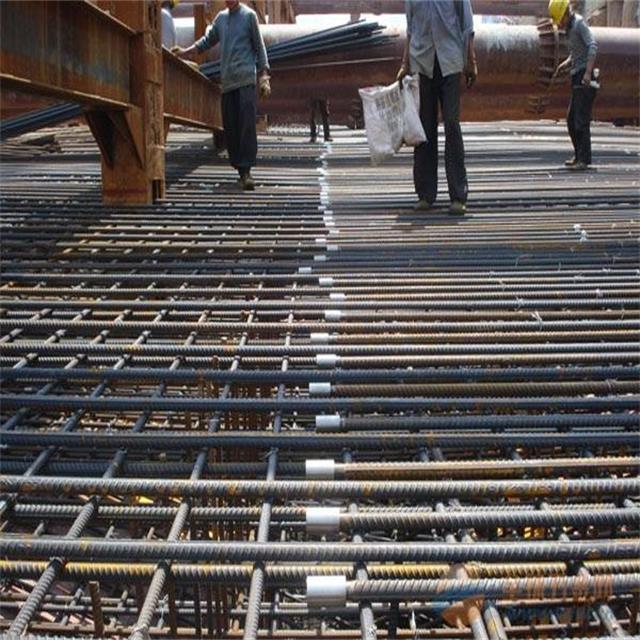
Determining Whether the Effective Thread Length Truly Participates in Stress Bearing
In design, straight threaded rebar connections typically have explicit requirements for the “effective thread length.”
However, in actual engineering:
- Nominal length ≠ Actual stress-bearing length
- Pitch errors and inconsistent thread depths will shorten the effective engagement zone.
Only stable, precision-controlled thread processing machines can ensure:
- Uniform thread engagement along the entire length
- The designed effective length truly participates in stress bearing
- The connector length design is not weakened by “processing errors”
Improving Construction Efficiency and Adapting to Large-Scale Project Needs
In construction projects (especially high-rise buildings, bridges, and tunnels), the amount of steel reinforcement used is enormous, and the mechanical connection of steel reinforcement is a staggering undertaking. Relying on manual threading is not only extremely inefficient but also severely slows down the construction schedule.
A single threading machine can process 1-2 threads per minute, and hundreds can be processed continuously per day, far exceeding the efficiency of manual processing. Simultaneously, the equipment can process steel reinforcement of the same specification and batch in batches, ensuring high consistency in thread quality. During on-site construction, there is no need for repeated adjustments; it can be directly connected to the sleeve, significantly reducing on-site installation time.
Furthermore, the threading machine is easy to operate, requiring no specialized technical skills. Ordinary workers can learn to operate it after simple training, reducing labor costs and minimizing quality problems caused by human error.
How does a rebar coupler threading machine affect the final performance of a rebar connection?
Although the threading machine does not directly participate in the stress, it indirectly determines all key performance indicators:
- Whether the tensile strength of the connection is stable
- Whether the failure occurs in the rebar parent material
- The consistency of batch connections
- Whether the construction quality is controllable and re-inspectable
In high-standard projects, connection failure often does not originate from the connector itself, but from the instability of the threading precision.
Conclusion
The role of the thread processing machine in the mechanical connection of reinforcing bars is not to enhance convenience. It is not merely a step in the connection process, but rather the fundamental condition that determines whether the entire connection system can be established. It transforms the uncontrollable ends of the reinforcing bars into standardized, testable, and replicable connection interfaces.