

Top Applications of Aluminum Honeycomb Panels in Modular Buildings
Modular construction is booming- the global marketplace for building modularly is predicted to increase dramatically over the next 10 years as builders seek quicker, more affordable, and more environmentally friendly methods of building. But speed only works if the materials keep up. This is where aluminum honeycomb panels shine: a lightweight, fire-resistant and highly customizable material that is becoming the preferred choice for modular and prefab projects. In the following, we’ll go over precisely where and why the panels are in use.
Why Aluminum Honeycomb Panels Suit Modular Construction
Modular structures are constructed using factory-made components, and are which are then moved and assembled on-site. This process places particular demands on materials which honeycomb aluminum panels are designed to satisfy.
Lightweight Yet Structurally Strong
The panel’s hexagonal core of aluminum -an identical geometric concept used by bees to enhance strength using a minimum of material- connects two aluminum sheets to create an inner honeycomb design. This results in a panel that weighs as little up to 1.5-8 kg/m2, less than the weight of concrete or solid aluminum panels with similar rigidity. Modular units that require to be transported by crane by container or truck, every pound saved cuts down on the cost of logistics and also reduces the structural load on the frame.
Fire Safety Compliance
With modular buildings, from hotels to hospitals and even student housing, needing strict fire codes non combustible materials really aren’t optional. Aluminum honeycomb panels usually reach Class A fire ratings under things like GB 8624 (China) and EN 13501-1 (Europe) so they end up being a good fit for hospitals, hotels, and multi story residential fit outs. In other words, for these projects fire compliance is the starting point, not some late thought.
Fast, Standardized Installation
Modular construction depends on repeatable, factory-precise components. Honeycomb panels are produced in standardized sizes (commonly up to 2400 × 1200 mm, with custom options available) and multiple surface finishes — PVDF, anodized, mirror, brushed — so factories can pre-cut and pre-finish panels before they ever reach the job site, cutting on-site labor time.
Top Applications in Modular Buildings
Interior Partition Walls
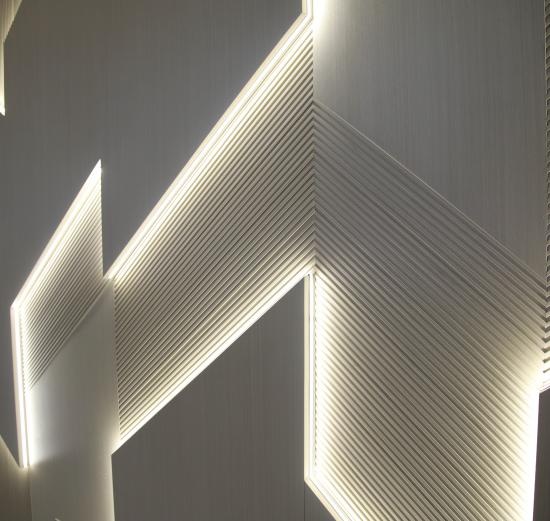
Warping and bowing are common problems with lightweight partition materials, especially after transport and stacking. Double-sided honeycomb panels solve this with a symmetrical construction — decorative facing bonded to both sides of the core — which resists bowing under stress and delivers a fully finished look on both surfaces. That makes them well suited to office partitions, corridor walls, and meeting-room dividers inside modular buildings.
Roof & Ceiling Panels
The honeycomb core doesn’t just save weight — it also traps air within its cell structure, giving the panel meaningful acoustic damping and thermal insulation properties. In modular roofing and suspended ceiling applications, this reduces heat transfer and noise transmission between stacked units, a common complaint in multi-unit modular housing.
Bathroom Pods & Wet Area Modules
Prefabricated bathroom pods are one of the most widely adopted modular components in hotel and residential construction, since they can be fully finished and plumbed off-site. Aluminum honeycomb panels resist moisture, don’t rot or swell like wood-based boards, and clean easily — properties that matter in wet-area modules shipped and installed as complete units.
Elevator Cabins in Modular High-Rises
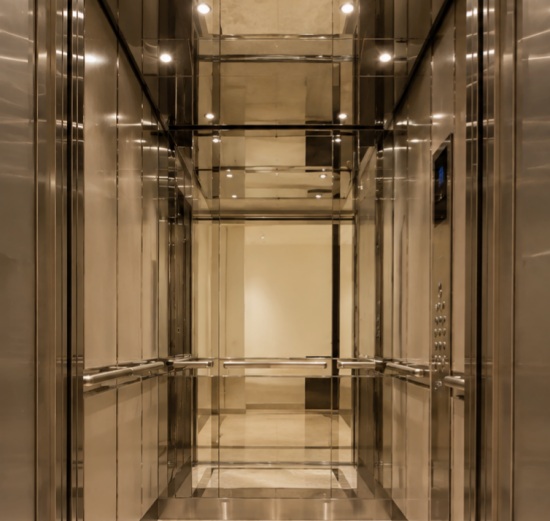
As modular high-rise construction grows, elevator cab interiors are increasingly built from honeycomb panels finished in mirror, brushed, or anodized surfaces. Thin, lightweight panels maximize usable cab space while still meeting fire-rating requirements — a balance that’s harder to achieve with solid metal panels of the same strength.
Furniture & Fit-out Components
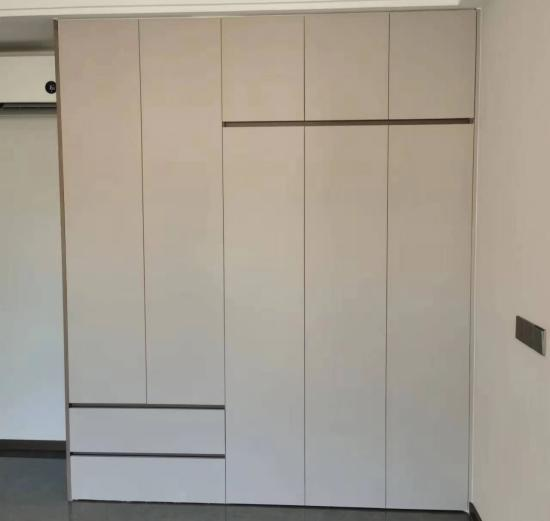
Full aluminum honeycomb panels, sometimes they come in at like 1.5 kg/m²—are also put to work for cabinet doors and wardrobes and the built in furniture you find inside modular units. They stay pretty flat, and the long term dimensional steadiness holds up well even after repeated transport, which is kind of crucial because units are often made in one factory and then shipped elsewhere for the last assembly.
How to Choose the Right Panel for Your Modular Project
- Configuration: single-side panels fit situations where basically one face is shown, like wall lining or display walls; double-side panels are better for partitions, cabinets, and elevator insides where both faces are in view, all the time.
- Thickness and Core cell size: larger cores and thicker cells generally improve rigidity. This is particularly important for wider spans of facades as well as structural divisions.
- Surface finish: match the finish (PVDF mirror, anodized and polished) to the interior design of the building and maintenance needs.
- Certification: ensure that the fire ratings (Class A/B1) and formaldehyde emission level (E0 is the most stringent level) conform to your project’s the local code of building.
From ceilings and partition walls to elevator cabs, bathroom pods and furniture that is built-in aluminum honeycomb panels have proven to be among the most adaptable materials in modular construction. They’re light enough to lower transportation costs, sturdy enough to meet the structural requirements and fire-rated enough meet the strictest construction codes. If you’re in the market for panels for your upcoming modular project, choosing a company that provides customized sizes, certifications, and quick delivery times can mean an important difference in ensuring a flawless construction and one that is delayed.
FAQs
Are honeycombs made of aluminum safe to use in modular structures?
Yes. Honeycomb panels made of aluminum are rated Class A non-combustible ratings under GB8624 and EN13501-1, which meet the fire codes of hospitals, hotels and multi-unit residential modular structures.
Can sizes of panels be changed to fit particular modular units?
Yes. Manufacturers typically offer a custom thickness (roughly 6-30 millimeters) and panel sizes over the typical 2400 x 1200 mm size to accommodate specific dimensions of modules.
How long do aluminum honeycomb panels last in prefab construction?
They tend to last a long while. Since the aluminum core plus the face sheets help resist corrosion, dampness and UV fading, these panels generally keep their structural and surface condition for decades with minimal upkeep, though the real lifespan still varies with the particular coating system and how the panels are installed / where they are used.