

Why Low-VOC Flooring Matters for Indoor Air Quality
If you walk into a newly renovated retail store, you might notice more than freshly painted walls -an intense chemical odor that can last for several weeks. The smell is usually caused by volatile organic compounds (VOCs) emanating from flooring, adhesives and other finishes. Commercial spaces that have high foot traffic and lengthy time of occupancy, poor indoor air quality doesn’t just make you uncomfortable but also an occupational and health danger. So it makes sense that low VOC flooring has become a must-have item for architects, facility managers and business owners.
What Are VOCs, and Why Should You Care?
Volatile organic compound are chemical compounds that easily evaporate at room temperatures, releasing gases into the atmosphere -this is referred to as off-gassing. They are commonly present in sealants, adhesives, paints, traditional flooring materials, such as vinyl and certain laminates. The issue isn’t just limited to the moment of installation. Off-gassing can last for a few weeks, or even months after installation, decreasing gradually, yet still affecting indoor air pollution levels throughout the time.
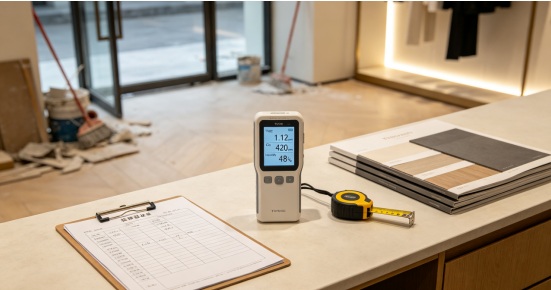
Health Risks Linked to High-VOC Flooring
The magnitude of the problem is well-documented. Based on the U.S. Environmental Protection Agency that indoor levels of many VOCs are generally higher than outdoor levelsat times as high as ten times higher than outside. In the past, EPA study found that most indoor pollutants were up to five times higher in buildings than outdoors regardless of area was industrial or rural.For those who live there, this can translate into real-life symptoms. In short-term exposure, it can trigger headaches, dizziness and irritation of the throat or eyes — a frequent complaint in newly-furnished offices showrooms, offices, and retail areas. Exposure for long periods of time has been connected to respiratory irritation as well as the aggravated symptoms of asthma or allergy as well as elderly adults, children and those with existing respiratory problems at a higher danger. In a commercial setting, this might turn into reduced focus, more staff concerns, and yeah , a less than ideal first vibe for customers arriving through the door.
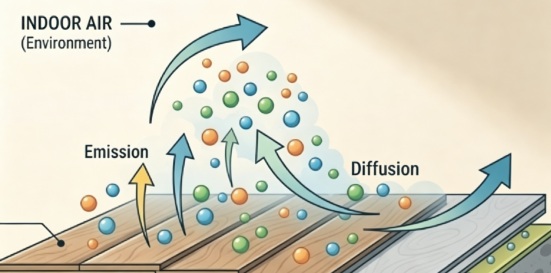
How Flooring Contributes to Indoor Air Pollution
Flooring is not a singular material, but rather an entire system. VOCs can be derived from the material used to construct it and the adhesive that is used to put it in place and the surface sealants or coatings that are applied afterwards. Vinyl sheet flooring is a traditional type and certain wood composite products, and solvent-based glues are known to release more VOCs particularly during the initial weeks following installation. This is an important point to remember for potential buyers who are interested in knowing that a “low-VOC” claim on the flooring material doesn’t guarantee installation with a low VOC when High emission glues are utilized.
What Makes a Flooring Product “Low-VOC”?
Instead of just taking marketing claims at face value, you really should check independent third party certification. The standards people tend to recognize the most include:
- FloorScore® Certification – Tests flooring products for compliance with indoor air quality emissions criteria, widely referenced in green building programs.
- CARB Phase 2 Compliance – A California Air Resources Board standard limiting formaldehyde emissions from composite wood products.
- GREENGUARD Gold Certification – A stricter emissions standard that accounts for sensitive environments like schools and healthcare facilities.
These certifications are based on laboratory chamber testing, where products are measured for total VOC (TVOC) emissions over time under controlled conditions. When evaluating flooring for a commercial project, asking a supplier for test reports or certification documentation is a reasonable — and increasingly standard — request.
SPC Flooring: A Practical Low-VOC Choice for Commercial Spaces
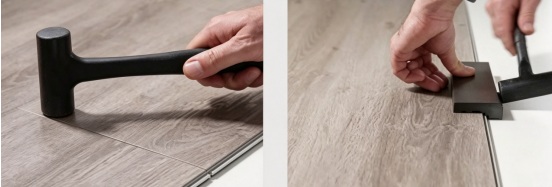
In the case of businesses that must balance cost, durability and the quality of air, SPC (Stone Plastic Composite) flooring is now an increasingly popular choice. Its core is rigid, which differs from the traditional vinyl and a lot of SPC products are made to comply with FloorScore or other low-emission standards. Another benefit is the installation process: SPC flooring is typically installed using an electronic click-lock system instead of full-spread adhesives that greatly reduces the amount VOC-releasing glue that is introduced into the area in the course of installation.
Beyond the air the quality of air, SPC flooring offers waterproof performance, a high wear resistance, and quick installation — which are practical advantages for offices, retail stores, and other hospitality locations where downtime is expensive. If you’re looking at flooring options for your commercial project, it’s worth taking a look at a provider’s SPC flooring range to see if it matches emission standards with performance specifications.
How to Choose Low-VOC Flooring: A Buyer’s Checklist
- Check for certification labels like FloorScore or GREENGUARD Gold, not just the generic “eco-friendly” kind of wording.
- Request TVOC test reports straight from the manufacturer or supplier. Favor click-lock or floating installation methods over full-adhesive systems to reduce glue-related emissions.
- Ask about material composition, including the core layer and any surface coatings.
- Where possible, inspect samples in person — while not scientific, a strong chemical odor is often a warning sign.
Reducing VOC Exposure After Installation
Even low-VOC products benefit from good post-installation practices. Increased ventilation – like opening windows or operating HVAC systems with more air exchange settingcan help disperse leftover emissions more quickly. A lot of facility managers arrange installation for off-hours or during weekends and allow a brief “curing period” before the area is completely filled. Beware of putting additional products with high VOC like certain sealants or adhesives over an already low-emission flooring.
For commercial buildings, it is now no longer a minor matter. It directly impacts the wellbeing of employees as well as the experience of customers and the long-term performance of buildings. Selecting low-VOC flooring and paying close attention to procedures for installation, and implementing simple steps to ventilate after installation can have a tangible impact. If you’re thinking about an office renovation, looking into the options of certified, low-emission alternatives such as SPC flooring could be a great starting point.