
How is SPC Flooring Manufactured Layer By Layer
SPC (Stone Plastic Composite) flooring, which is a new type of floor material, has rapidly gained popularity in both the commercial and residential sectors due to its great resistance to wear, stability, and waterproofing properties. So, what are the main factors that contribute to the durability of SPC flooring? This article will take you inside the factory production line from raw materials to the finished product and give you a comprehensive understanding of the manufacturing process of SPC flooring layer by layer.
What do you expect to gain from this article?
- Have a clear understanding of the functions of each layer structure of SPC flooring
- Gain an in-depth understanding of its core materials and manufacturing technologies
- Why is SPC more durable than traditional PVC, LVT or even solid wood composite
Table of Contents
Understanding SPC Flooring: The Foundation of Modern Durable Flooring
SPC flooring is a type of hard floor material made by combining stone powder with PVC resin. Unlike traditional LVT, SPC features higher density, greater rigidity and a more stable structure.
The core features of SPC
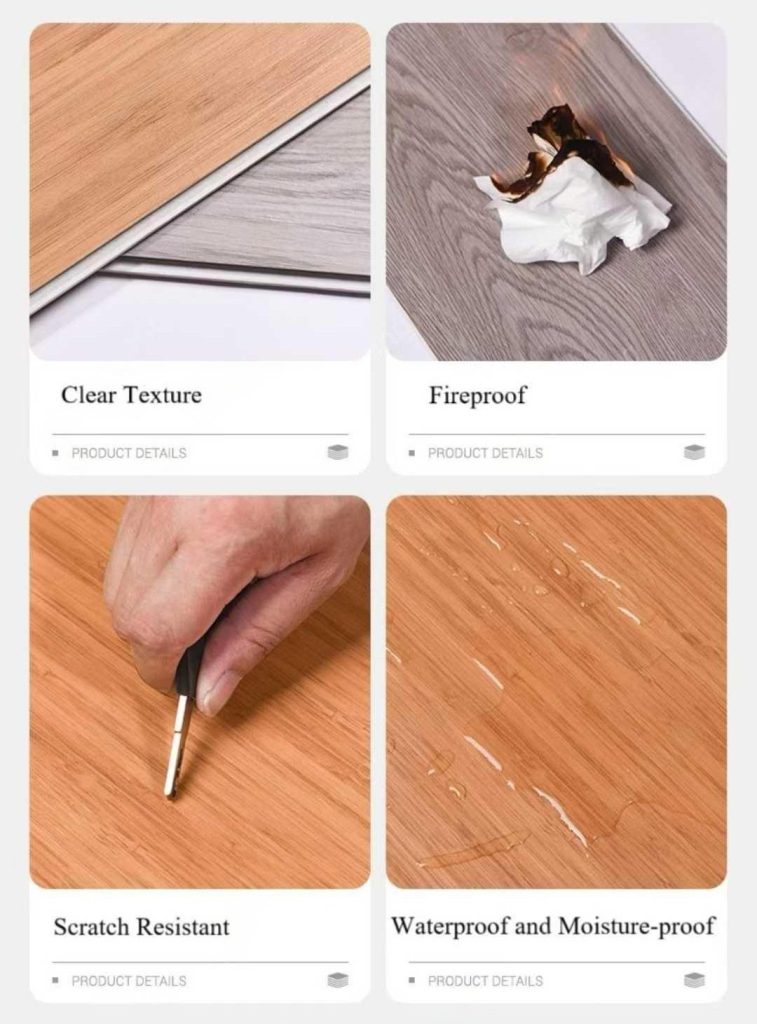
- Super wear-resistant: Durable and suitable for high-traffic scenarios
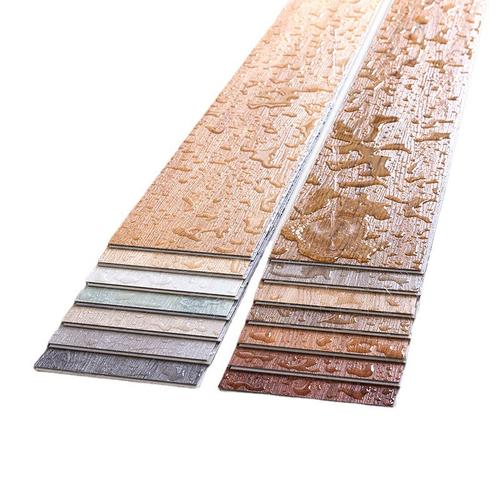
- 100% waterproof: Water vapor does not affect dimensional stability
- Impact and scratch resistance: High strength and less prone to dents
- Strong thermal stability: It is not prone to expansion or warping with temperature changes
The Raw Materials: Precise ingredients create a superior SPC core
The key to the quality of SPC flooring lies in the core material formula.
Core raw materials: PVC resin + natural stone powder
PVC resin: Provides toughness and basic adhesion
Stone powder (CaCO₃) : Provides rigidity, density and stability
Additive: Making SPC Core Smarter
- Stabilizer: Enhances thermal stability
- Plasticizer: Enhances flexibility (less used in SPC)
- Toughening agent: Provides impact resistance
High density brings higher pressure resistance, but it is also necessary to maintain appropriate toughness to avoid brittle cracking. The precise formula determines the density (typically 1.9-2.1 kg/m³) and performance of the final product. Strict quality control of raw materials is the first step in manufacturing high-quality SPC flooring.
The Core Manufacturing Process: Building the Core “Skeleton” of SPC
1. Precise mixing: Ensure uniform formula
All raw materials first enter the high-speed mixing equipment and are fully integrated through heating and cooling steps.
2. Extrusion molding: Manufacturing dense SPC Core boards
The mixed materials enter the extruder and are extruded into hard and uniform plates through high temperature, pressure and the shearing force of the screw, laying a solid foundation for subsequent lamination.
Layer by Layer: Durable structure of SPC flooring
Layer 1: SPC Core Layer
The most important part of SPC
High stability and resistance to deformation, providing the majority of the strength of the floor
Layer 2: Decor Film
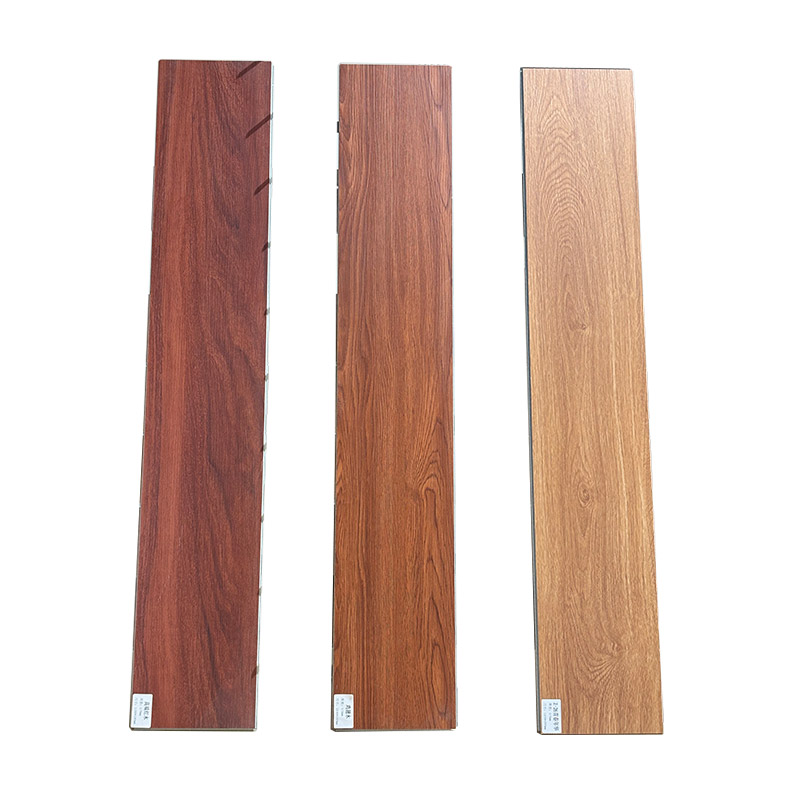
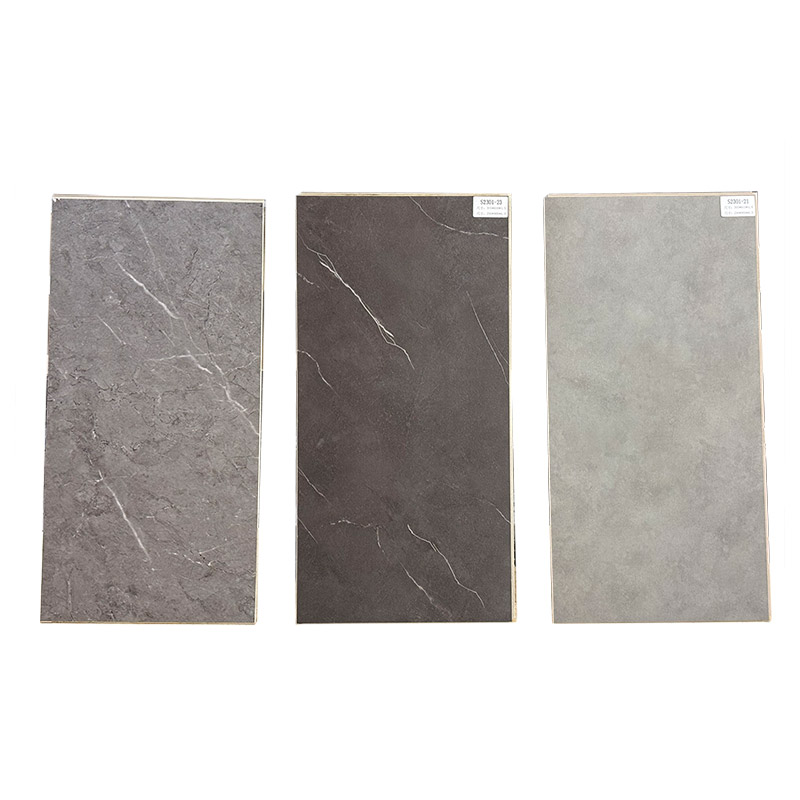
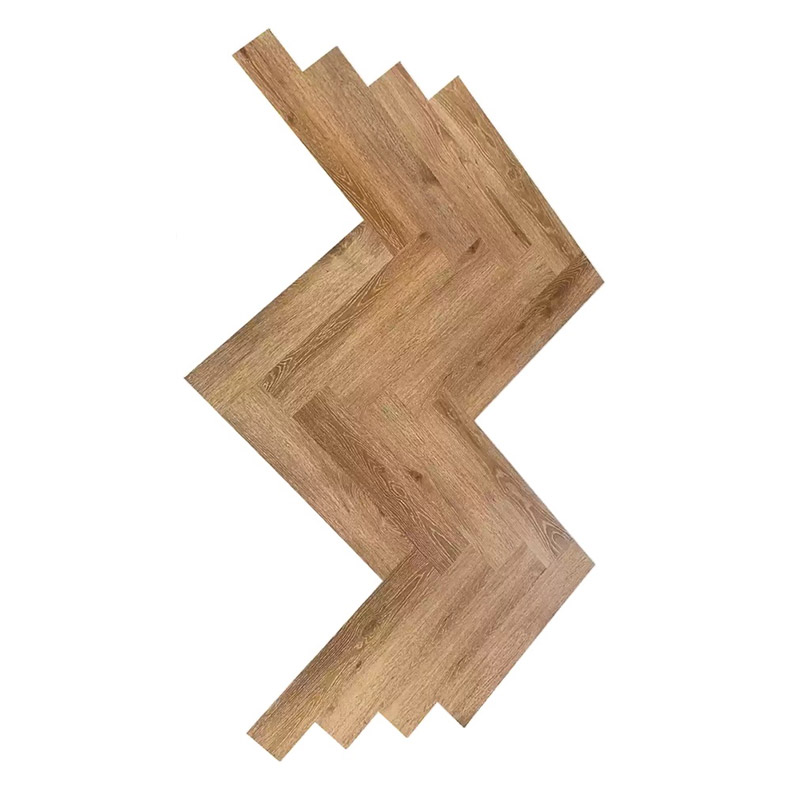
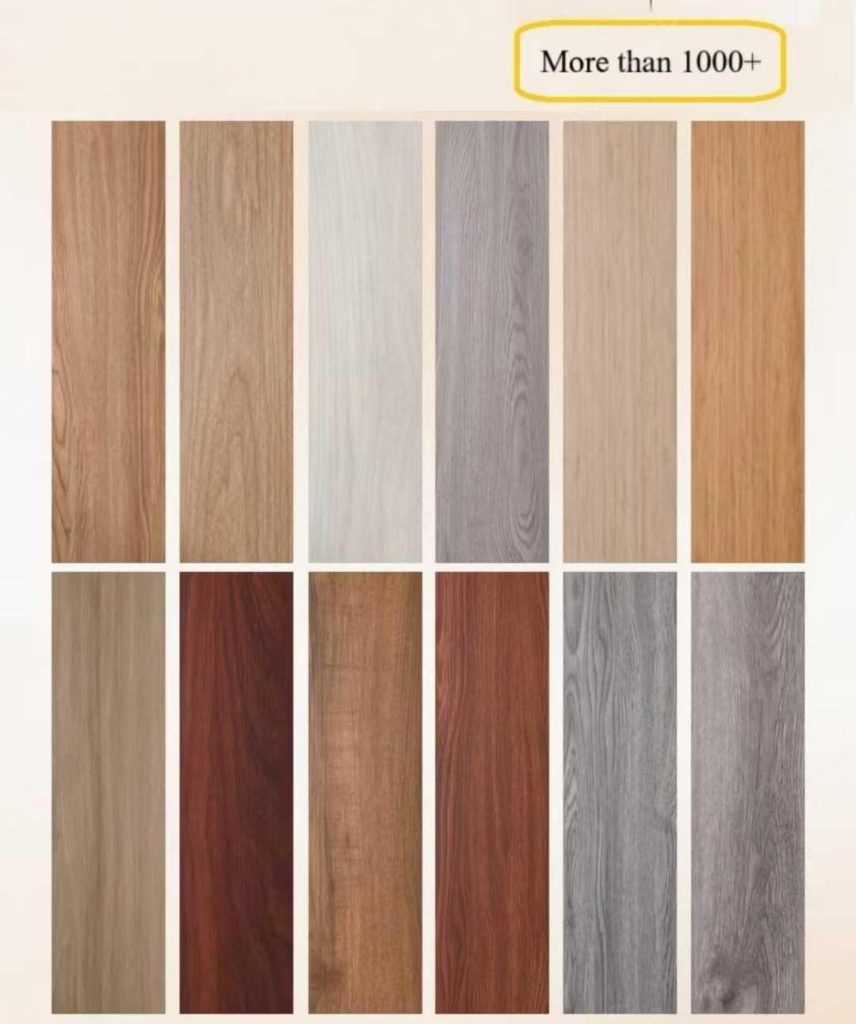
High-resolution wood grain/stone grain printingDetermine the appearance, texture and realism of the floor
Layer 3: Wear Layer
Transparent protective film
The higher the grade, the better the scratch resistance (commonly 0.3-0.5mm).
Layer 4: UV coating
Block ultraviolet rays
Enhance anti-fouling and anti-yellowing capabilities
Enhance the convenience of cleaning and maintenance
The Fusion Process: Hot-press the fusion layers to form an integrated structure
1. Calendering machine
Each layer should be accurately aligned and laid flat to ensure that the final floor is free of bubbles and wrinkles.
2. Hot Pressing production line
High temperature and high pressure cause each layer to permanently fuse, forming a solid integrated structure, which is different from the lamellar LVT with adhesive.
3. The Importance of thermal stability
High-quality formulas can prevent the occurrence of:
- Drumming
- Internal layer separation
- Pattern deformation
Precision Finishing: Finishing is key to the installation experience
1. Cool and set
The continuous sheet after hot pressing gradually cools down through the cooling zone. This controlled cooling process “locks” the interlayer bonding, ensuring permanent bonding and dimensional stability.
2. Cutting and lock forming
The cooled boards are cut into standard board lengths (usually 900-1200 millimeters). The edges are processed by precision forming machines to form precise click-lock systems (such as Unilin or Valinge). These locks can be seamlessly and firmly installed without glue and allow for the necessary minor floating movements.
3. Comprehensive quality inspection
Each board has gone through:
- Dimensional accuracy inspection
- Lock function test
- Visual inspection of surface defects
- Sampling was conducted for laboratory tests (wear resistance, impact resistance, dimensional stability)
The Synergy of Layers: The Reason why SPC is highly durable
1. All-round waterproofing
From the dense core to the UV coating on the surface, each layer is waterproof, preventing water from penetrating. This makes it an ideal choice for basements, bathrooms and kitchens.
2. Excellent wear resistance
The hard core layer resists dents, while the wear-resistant layer and UV coating work together to resist surface scratches. This combination protects the integrity of the decorative layer.
3. Strong stability and long service life
SPC has an exceptionally low coefficient of thermal expansion (<0.05%), which means almost no expansion or contraction during direct sunlight or under the floor heating. This steady condition avoids the creation of spaces and the bending of edges, which consequently prolongs the floor’s life.
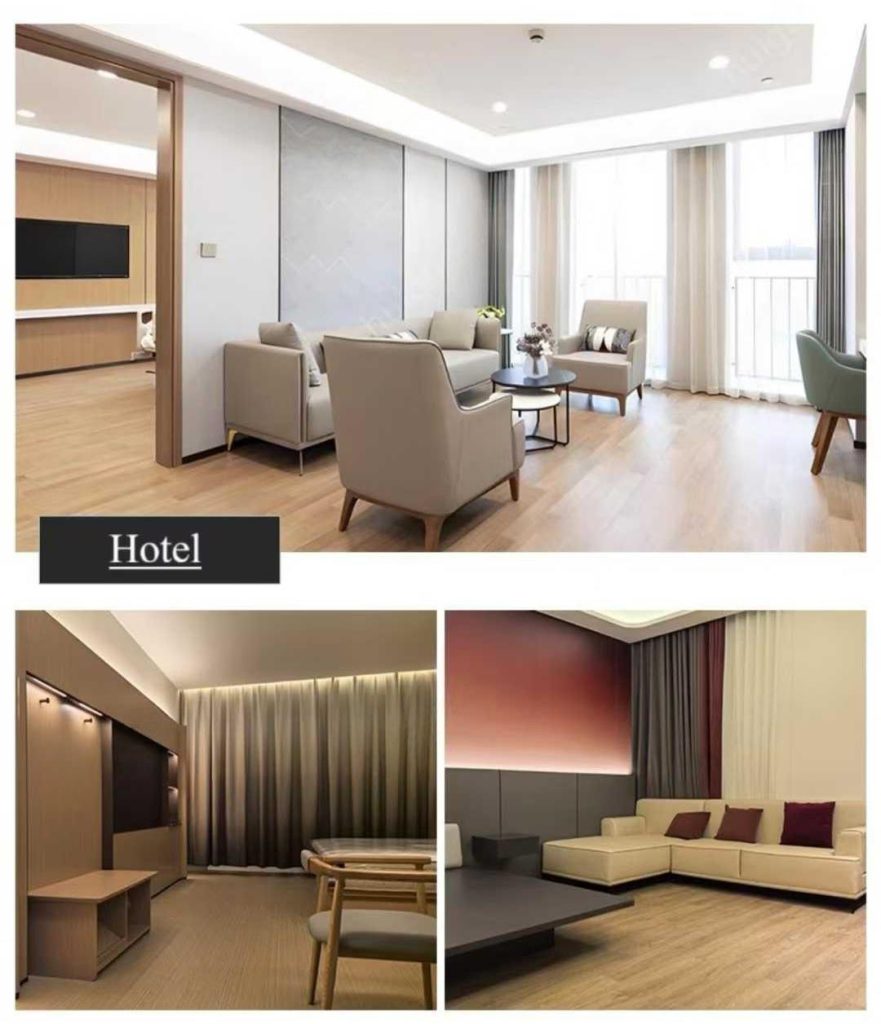
4. It performs well in high-traffic areasThe durability of this product is multi-layered which makes it perfect for commercial zones (retail shops, offices) as well as in residential places where there is a lot of human activity (entrances, hallways, and even living rooms). Thus its strength to not easily be damaged by constant walking, furniture with wheels, and dropping things unintentionally is confirmed.
Beyond Manufacturing: The bonus effect of installation and maintenance
Easy installation: The advantages of the Click-Lock system
No glue or professional tools are needed. DIY users can also get started easily.
Simple maintenance keeps it as good as new
The wear-resistant layer and UV coating create a surface that is easy to clean and resistant to stains. Daily maintenance only requires sweeping or vacuuming, and occasionally cleaning with a slightly damp mop. Avoid abrasive cleaners to keep the protective layer intact. Families suitable for keeping pets.
Better foot feel: Optional IXPE/EVA silent cushion layer
Noise reduction
Enhance comfort
Make the sound of your steps softer
Conclusion: The engineering advantages of SPC flooring
From the raw material ratio to the hot-pressing fusion of layer to layer, and then to the fine locking processing, the durability of SPC flooring is not accidental but the result of strict craftsmanship and multi-layer structure working together.Its high stability, water resistance, wear resistance and easy installation characteristics make it an ideal floor material for modern homes and commercial Spaces.