

What Is the Difference Between Wall Cladding and Wall Paneling?
If you are learning about interior wall decoration or building wall systems, then you must have come across the terms “Wall Cladding” and “Wall Paneling“.
Many property owners, designers, engineers and purchasers believe that they are all merely materials used for decorating walls. However, there are significant differences between the two in terms of definition, structure, installation methods.
The easiest way to understand is as follows: Wall Cladding is more like adding an “outer layer” with protective function to the wall, while Wall Paneling involves installing “decorative panels” with a certain thickness and structural integrity on the surface of the wall. It not only enhances the texture of the space but also has certain functionality.
With the progress of modern building materials, some products like WPC wall panels, SPC wall panels, and wood veneer wall panels kinda bring together the strengths of each other—so they can deliver a great decorative look, but also have moisture proof features, strong anti-impact ability, and long-lasting durability. Because of this, the lines separating them are getting more and more unclear, in a way.This article will provide a detailed explanation of the definitions, differences, applicable scenarios, and how to select the most suitable products for different projects for Wall Cladding and Wall Paneling.
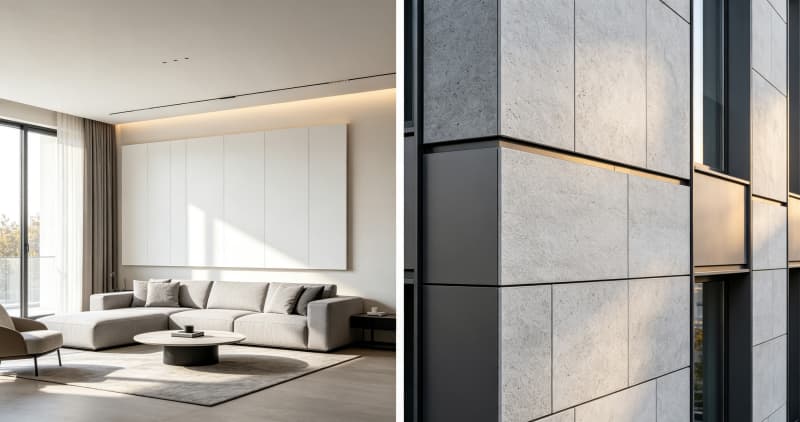
Table of Contents
Wall Cladding vs Wall Paneling
| Comparison Projects | Wall Cladding | Wall Paneling |
| Main purpose | Protect the walls and enhance the appearance | Enhance the interior decoration effect while improving functionality |
| Product structure | Wall covering system | A sheet system with a certain thickness |
| Common thickness | Thin | Usually ranging from 6 to 30 mm |
| Installation method | Directly fixed to the wall or base layer | Adhesive, snap-in or keel installation |
| Application Location | Indoor and outdoor | Mainly used indoors |
| Main Advantages | Waterproof, moisture-proof, weather-resistant, protect the walls | Decoration, sound insulation, impact resistance, enhancement of spatial hierarchy |
| Common materials | Stone, metal, fiber cement, composite materials | MDF, wood veneer, PVC, WPC, SPC |
| Cost | Usually higher | Varies depending on the material and process |
Quick Take
If your priority is protecting a building from moisture, weather, or impact, wall cladding is generally the better choice. If you want to create a stylish interior with added texture, warmth, and functionality, wall paneling is usually the preferred solution.
What Is Wall Cladding?
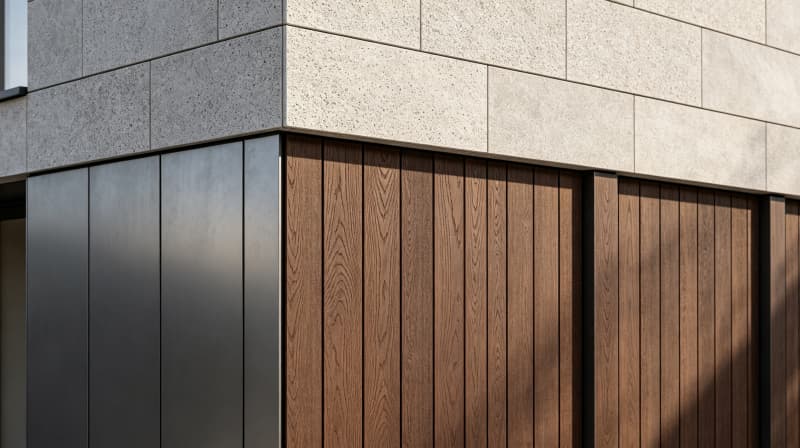
Wall Cladding (wall covering) is a protective system that is applied to the surface of existing walls. Its main function is to enhance the aesthetic appeal of the building while providing additional protection for the walls.
Unlike latex paint or wallpaper, Wall Cladding forms a new protective layer on the exterior of the wall. It can provide moisture-proofing, waterproofing, weather resistance, impact resistance and even certain insulation properties depending on the different materials.
Traditionally, wall cladding was mainly used for exterior walls of buildings. However, with the development of materials, more and more hotels, office buildings, hospitals and commercial spaces have begun to use wall coatings indoors to enhance durability and maintenance efficiency.
Main Functions of Wall Cladding
- Enhance thermal or acoustic performance (depending on the material)
- Protect walls from moisture and environmental damage
- Improve the building’s appearance
- Increase durability and service life
- Reduce maintenance requirements
Common Wall Cladding Materials
- Natural Stone
- Aluminum Panels
- Fiber Cement Boards
- Ceramic Panels
- Composite Panels
- Exterior WPC Cladding
- High-pressure Laminates (HPL)
Today, many composite materials are lighter, easier to install, and require less maintenance than traditional stone or concrete cladding, making them increasingly popular for both residential and commercial projects.
What Is Wall Paneling?
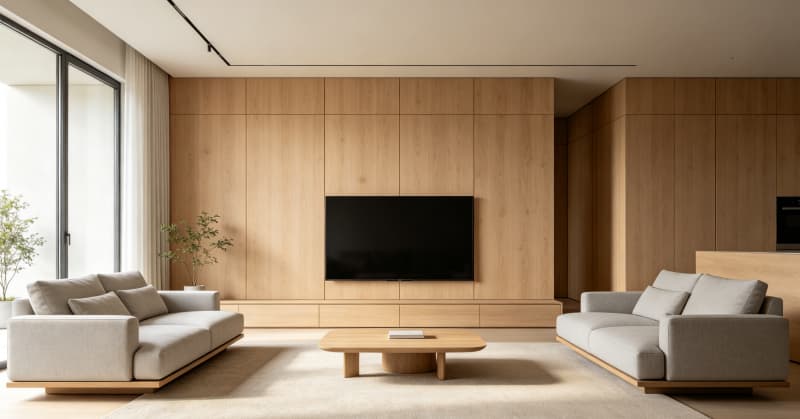
Wall paneling means those boards put on the wall surface, they have a specific thickness plus certain structural qualities. Beside wall paper, latex paint, and other surface decoration materials, wall panels do more than just alter the look of the wall, they also end up as a real part of the wall system, giving the room a more grounded feeling of layers and utility.
Wall panels were originally designed to protect interior walls from daily impacts and wear and tear. Nowadays, they have evolved into one of the most popular wall materials in modern interior decoration, combining both decorative and practical functions.
Modern wall panels not only enhance the aesthetic appeal of the space, but also offer sound insulation, moisture resistance, impact protection and a certain degree of thermal insulation.
Main Functions of Wall Paneling
- Improve interior aesthetics
- Add texture and depth to walls
- Protect walls from scratches and impacts
- Hide uneven surfaces or wiring
- Improve acoustic comfort
- Increase durability in high-traffic areas
Common Wall Panel Materials
- MDF Wall Panels
- Solid Wood Panels
- Wood Veneer Panels
- PVC Wall Panels
- WPC Wall Panels
- SPC Wall Panels
- Bamboo Charcoal Wall Panels
Compared with traditional wall finishes, modern wall panels offer a faster installation process, cleaner construction, and a broader range of design options. This is why they have become increasingly popular in homes, hotels, offices, retail stores, and commercial interiors.
Wall Cladding vs. Wall Paneling: 5 Key Differences
Although both Wall Cladding and Wall Paneling can enhance the appearance of the walls, their design concepts and purposes of use are different.
Definition: Surface Covering vs. Structural Panel
- Wall cladding is a protective layer applied to the surface of a wall, primarily serving to protect the wall surface while enhancing the building’s appearance.
- Wall paneling, on the other hand, consists of panels with a certain thickness and structural integrity. Besides decorating the wall surface, it can also enhance its functionality and spatial depth.
Thickness and Structure
Most Wall Cladding products are coatings that are relatively thin and are designed to protect the wall surface rather than alter the structure of the wall.
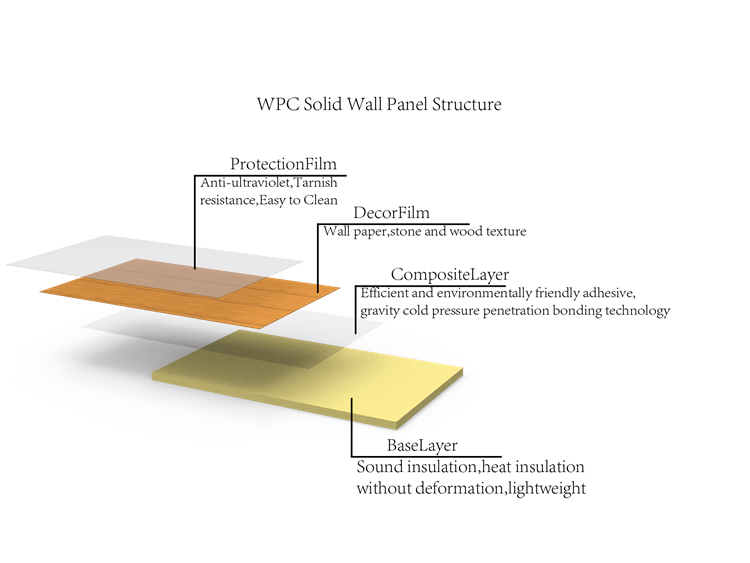
In contrast, wall panels usually have a thickness of 6–30 mm, which may vary depending on the material. A thicker structure not only enhances the three-dimensional effect of the wall, but also conceals the defects of the base layer, hides the pipelines, and improves the overall durability.
Primary Purpose
The core value of wall cladding lies in protecting the walls. It primarily serves to protect against rain, UV rays, moisture, and external impacts, while also enhancing the building’s appearance.
Wall paneling emphasizes interior decoration, but modern wall panels are no longer just decorative materials; they also offer sound insulation, moisture resistance, impact resistance, and easy cleaning. For this reason, more and more residential and commercial projects are starting to use wall panels instead of traditional latex paint and wallpaper.
Installation Method
Wall cladding is typically fixed directly to the wall or base structure, and different installation systems are used for different materials.
Wall paneling offers a wider range of installation methods, including adhesive installation, click-lock installation, joist installation, and tongue and groove connections. Modern WPC and SPC wall panels typically employ modular designs, which not only improve installation efficiency but also effectively reduce labor costs and construction time.
Performance and Durability
Since wall cladding is mainly used on the exterior of buildings, it usually has stronger weather resistance and can withstand ultraviolet rays, rain and various natural environmental influences.
Wall paneling focuses more on the user experience of interior spaces. Modern composite wall panels are not only aesthetically pleasing, but also meet the durability requirements of commercial spaces and high-frequency use environments.
Is Wall Paneling a Type of Wall Cladding?
This is one of the most common questions people ask—and the answer is it depends on the context.
In traditional construction terminology, wall cladding and wall paneling refer to different systems. Wall cladding emphasizes protection, while wall paneling emphasizes interior decoration.
However, modern building materials have blurred this distinction.
Today, products such as WPC Wall Panels, SPC Wall Panels, and Wood Veneer Wall Panels combine decorative finishes with moisture resistance, impact protection, and easy maintenance. As a result, many architects and designers refer to them as interior wall cladding, especially in commercial projects.
How to Choose Between Wall Cladding and Wall Paneling
Choosing between wall cladding and wall paneling depends on your project goals, installation location, budget, and performance requirements. While both improve the appearance of a wall, they are designed for different purposes.
If your priority is protecting a building from weather, moisture, or heavy wear, wall cladding is generally the better choice. If you’re renovating an interior space and want to create a more refined look with added texture and functionality, wall paneling is often the more suitable option.
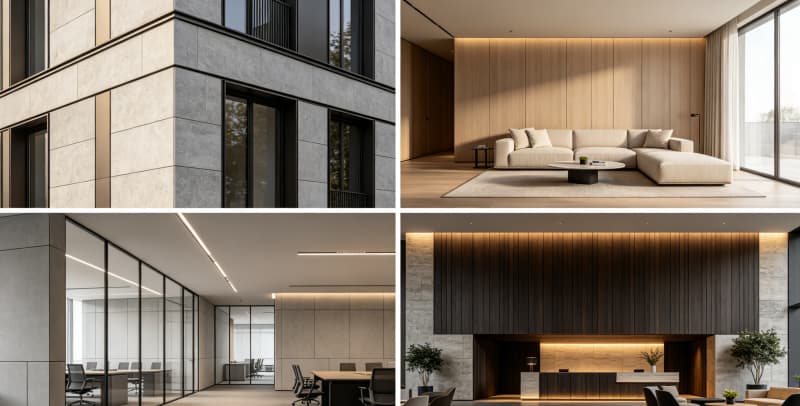
Before making a decision, consider the following factors.
| If You Need… | Choose Wall Cladding | Choose Wall Paneling |
| Protect exterior walls from weather | ✓ | |
| Improve the appearance of interior spaces | ✓ | |
| Better moisture resistance for exposed environments | ✓ | |
| Add texture and depth to interior walls | ✓ | |
| Increase sound insulation or impact resistance | ✓ | |
| Upgrade an existing building façade | ✓ | |
| Create a premium interior design | ✓ | |
| Low-maintenance wall protection | ✓ | ✓ (depending on the material) |
Conclusion
Although wall cladding and wall paneling are often sort of confused ,they’re actually built with different priorities in mind.
- Wall cladding is more about protecting the wall from weather like effects ,and at the same time making the surface look nicer.
- Wall paneling leans toward enhancing interior spaces ,using decorative panel elements with extra functional benefits.
Still, modern materials have blurred that line a bit,bringing these two ideas closer together . With products like WPC,SPC,and wood veneer wall panels, you can get a mix of looks, durability, moisture resistance, plus simple upkeep, all in one kind of package.
For most interior residential and commercial projects, today’s wall panel solutions usually offer a solid balance between design, performance, and long-term value.