

What Is the Most Economical Interior Wall Cladding for Commercial Projects?
When planning a commercial renovation project, one of the most common questions is: What is the most economical way to clad interior walls?
In fact, the answer is never simply picking the material with the lowest unit price. For large commercial projects such as hotels, apartments, office buildings, and shops, the actual cost of the walls goes far beyond the purchase price of the materials. It includes construction labor, post-renovation maintenance, durability period, frequency of renovation and replacement, as well as the business losses caused by construction shutdowns. All of these must be included in the overall cost.
Some wallboard materials, although the initial procurement budget may be slightly higher, can significantly reduce construction time and long-term maintenance expenses, extend the overall use period of the building, and in the end, the total cost is actually lower.This article will compare the mainstream interior wall decoration materials on the market, analyze the advantages and disadvantages of various schemes, and explain why integrated new wallboards have increasingly become the preferred solution for commercial renovation projects nowadays.
Table of Contents
What Are Large ForWhat Determines the Cost of Interior Wall Cladding?
When evaluating interior wall cladding, commercial buyers should look beyond the material price per square meter.
The total project cost is influenced by several factors:
- Initial material investment
- Installation speed and labor requirements
- Maintenance and cleaning costs
- Moisture and impact resistance
- Expected service life
- Replacement frequency
- Construction schedule and downtime
Hotel hallways serve as a clear illustration: regular repainting every few years adds up to huge long-term spending. Tough decorative wall panels cut maintenance work down to almost nothing once fitted.
That explains why purchasing departments now prioritize total cost of ownership (TCO) analysis, rather than fixating only on initial material costs.
Comparing Popular Interior Wall Cladding Materials
Each wall finishing material has its own advantages depending on the project requirements.
| Material | Initial Cost | Installation | Maintenance | Lifespan | Best For |
| Paint | Low | Fast | High | 3–5 Years | Residential interiors |
| Wallpaper | Low-Medium | Moderate | Medium | 5–8 Years | Decorative spaces |
| MDF Panels | Medium | Moderate | Medium | 8–10 Years | Dry interior areas |
| PVC Wall Panels | Medium | Fast | Low | 10–15 Years | Wet areas |
| Interior WPC Wall Panels | Medium | Fast | Very Low | 20+ Years | Hotels, apartments, offices |
| SPC Wall Panels | Medium | Fast | Very Low | 20+ Years | High-traffic commercial spaces |
Paint may seem cheap at first glance, yet it calls for regular repaints, surface fixes and constant maintenance. In busy commercial premises with heavy footfall, these recurring charges easily erase early cost advantages.
New-generation wall panel systems create an optimal all-round solution, blending attractive finishes with outstanding long-term durability.
Hidden Costs That Many Buyers Overlook
For large commercial projects, material cost is only one part of the budget.
Some of the biggest hidden expenses include:
- Labor Costs
Conventional wall finishing methods involve numerous construction procedures such as surface preparation, painting, drying and sanding, as well as wallpaper mounting. These steps extend working hours and raise project complexity.
Wall panel systems streamline the installation process, enabling contractors to finish construction work with higher efficiency. - Project Downtime
Delayed renovation schedules translate to revenue losses for hotels, serviced apartments and office complexes.
Rapid-install wall panels shorten construction periods, so guest rooms and commercial areas can resume normal operation much earlier. - Maintenance Expenses
Paint is prone to chipping, wallpaper tends to peel off, and MDF panels are vulnerable to moisture damage in humid surroundings.
Robust decorative wall panels need almost no upkeep, cutting repair and replacement expenditures across the entire service life of the property.
Why WPC and SPC Wall Panels Deliver Better Long-Term Value
As commercial projects increasingly focus on lifecycle performance rather than initial cost alone, WPC and SPC wall panels have become popular alternatives to traditional wall finishes.
Their advantages include:
- Faster Installation: Available with both glue-down and click-lock installation systems, WPC and SPC wall panels can help reduce installation time, making them suitable for projects with tight construction schedules.
- Excellent Moisture Resistance: Unlike traditional wood-based materials, WPC and SPC panels are 100% waterproof, making them suitable for bathrooms, hotel corridors, kitchens, basements, and other moisture-prone interior environments.
- Low Maintenance: Finished decorative surfaces eliminate the need for regular painting. Daily cleaning typically requires only a damp cloth, reducing maintenance costs over many years of use.
- Long Service Life: Designed for interior applications, quality wall panel systems can provide 20+ years of service under normal conditions, reducing replacement frequency for commercial buildings.
- Improved Safety: Many commercial projects require materials that comply with fire safety standards. Wall panels manufactured to B1 fire rating and supported by certifications such as ISO, SGS, and CE provide additional confidence for contractors and developers.
Choosing the Right Wall Panel System for Your Project
Different commercial projects have different performance requirements.
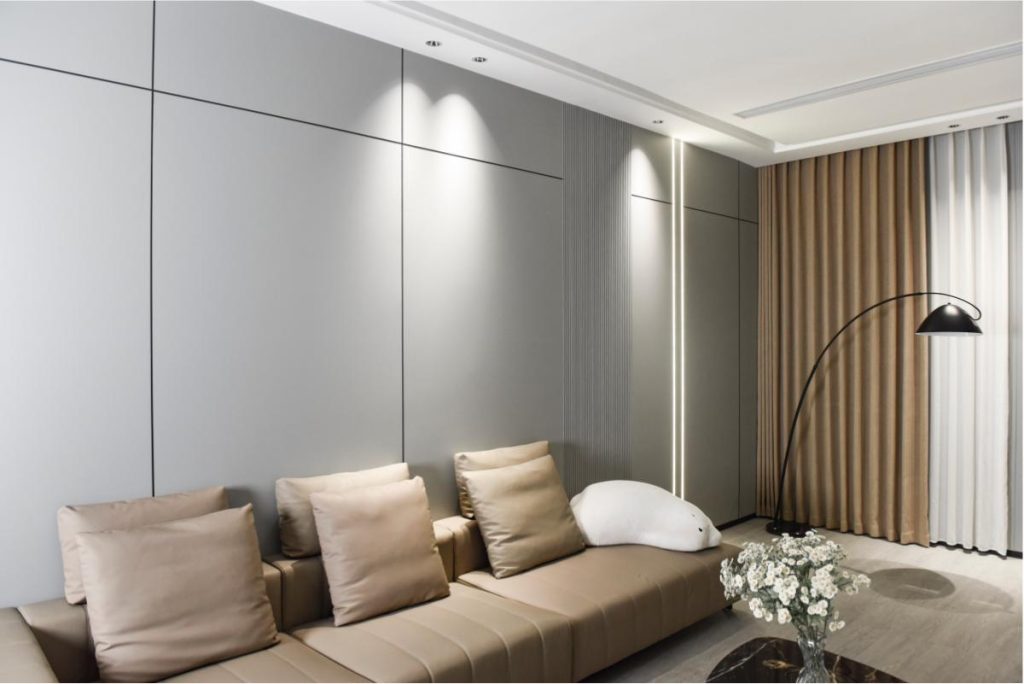
Suitable for hotels, apartments, offices, restaurants, retail stores, and residential developments where durability, decorative appearance, and low maintenance are priorities.
An excellent option for high-traffic commercial interiors requiring enhanced dimensional stability and moisture resistance.
Ideal for premium interior decoration projects that require modern aesthetics combined with durable performance.
Commercial buyers should also consider panel dimensions that match project efficiency. Standard widths such as 400 mm, 600 mm, and 1220 mm, together with customizable lengths up to 3.6 meters, offer greater flexibility for different installation scenarios.
What Commercial Buyers Should Look for in a Wall Panel Supplier
Selecting the right supplier is just as important as choosing the right material.
Before placing a bulk order, consider whether the manufacturer can provide:
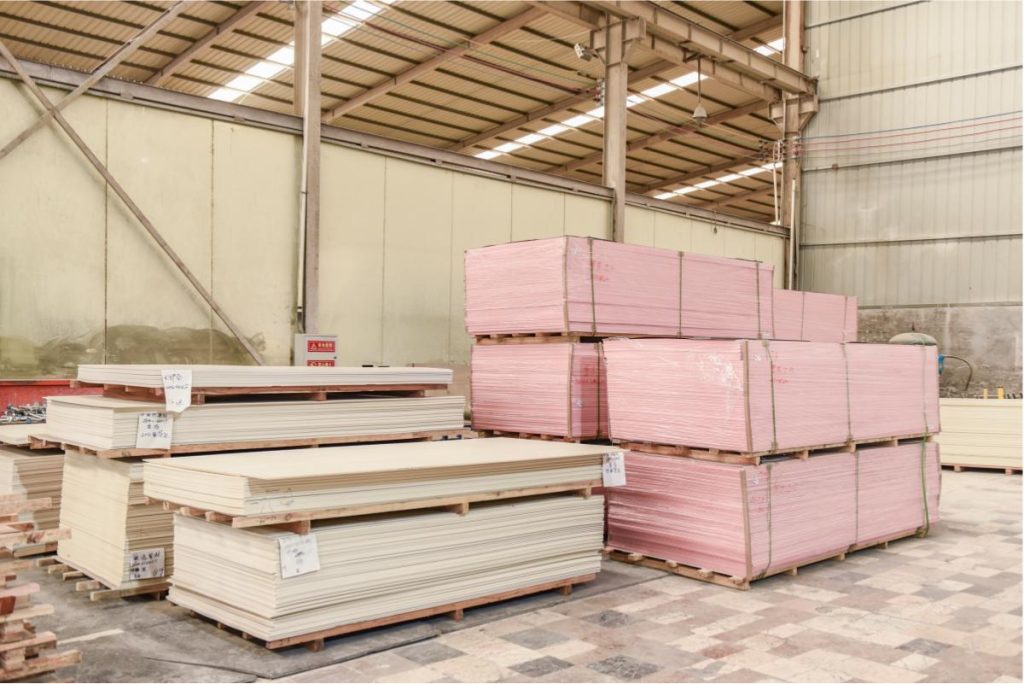
- Stable product quality across large production batches
- International certifications such as ISO, SGS, and CE
- Fire-rated products suitable for commercial projects
- Flexible OEM and ODM services
- Consistent delivery schedules
- Technical support for installation and project planning
- Reliable manufacturing capacity for long-term cooperation
A dependable supplier helps minimize project risks while ensuring product consistency across every phase of construction.
Conclusion
The most economical interior wall cladding isn’t always the one with the absolutely lowest purchase price, it’s the option that somehow gives the greatest long-term value over time.
For commercial projects like hotels, apartment buildings, offices, and retail spaces, cutting down labor costs, shortening the installation timeline, reducing frequent upkeep, and also stretching the service life can add up fast and end up lowering the total cost of ownership.
When you compare traditional wall finishes, modern Interior WPC Wall Panels, SPC Wall Panels, and Bamboo Charcoal Wall Panels bring a useful compromise between resilience, visual appeal, quicker setup, and solid long-range results, which is why they are turning into a more and more common pick for commercial interior renovation work.