
WPC Wall Panels for Commercial Spaces: Offices and Hotels
In contemporary commercial interior design, companies are gradually moving away from traditional wall materials (such as paints, tiles, and natural wood) and adopting modern solutions that are durable, aesthetically pleasing, and cost-effective. Among these new materials, WPC (wood-plastic composite) wall panels have become a popular choice for office and hotel spaces.
With excellent performance and diverse design options, WPC wall panels not only enhance the visual appeal of the space but also meet the practical usage requirements in high-traffic environments. This article will delve into why WPC wall panels are suitable for commercial spaces and their specific application methods in offices and hotels.
Table of Contents
What Are WPC Wall Panels?
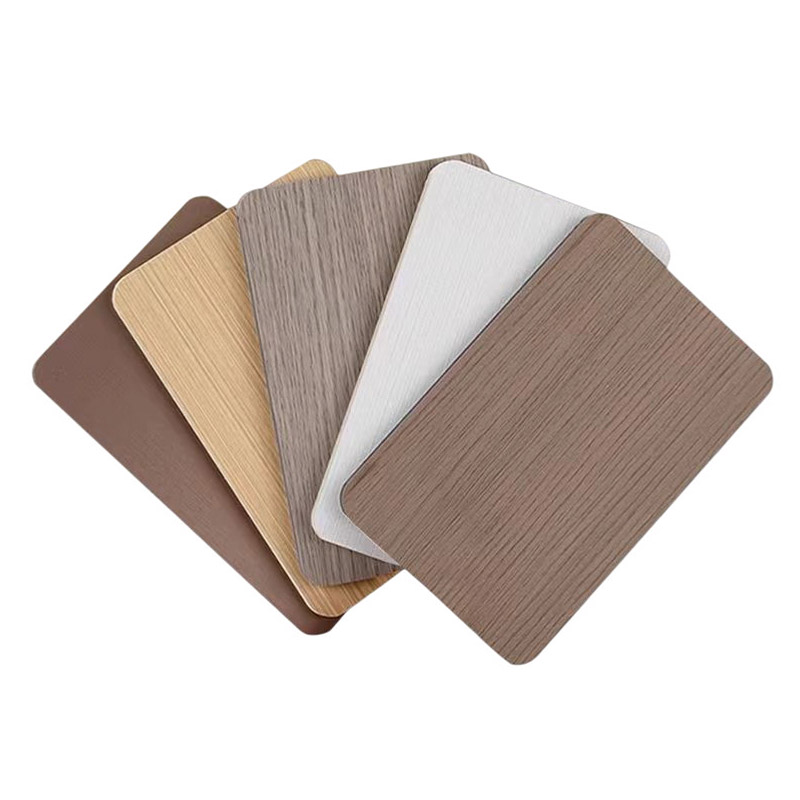
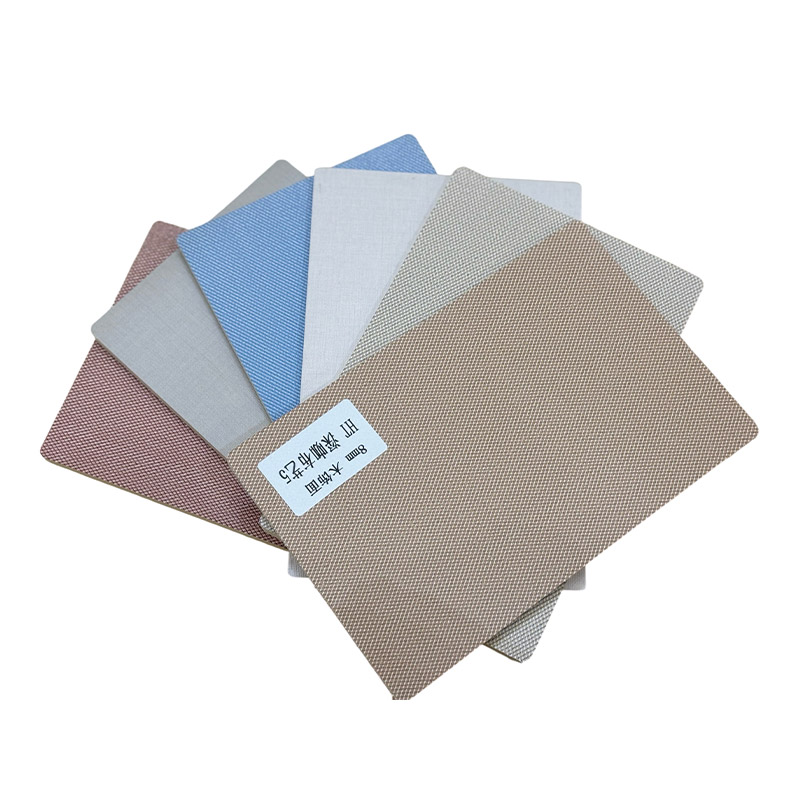
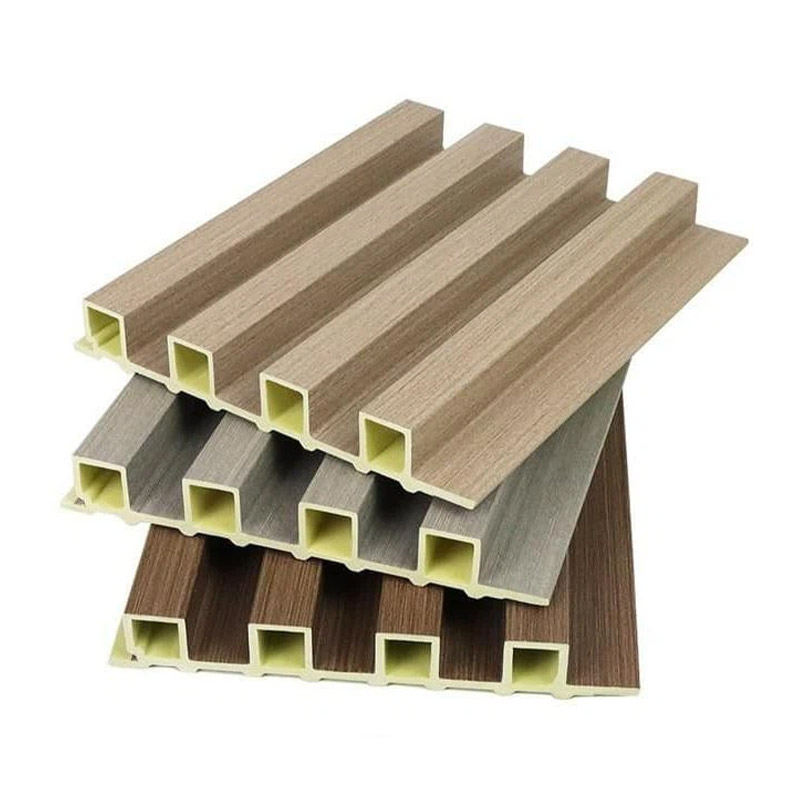
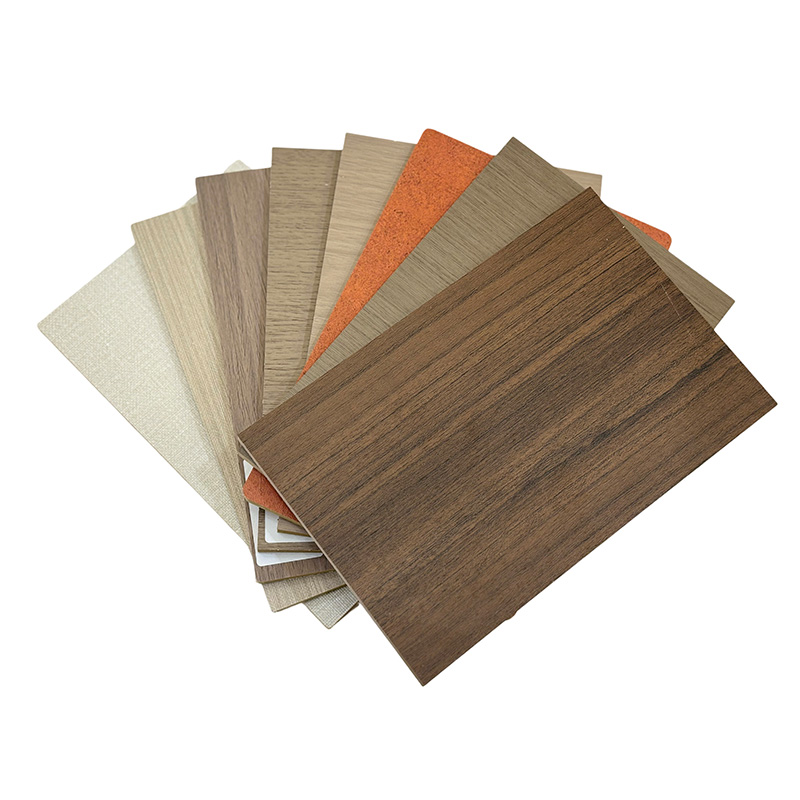
WPC (Wood Plastic Composite) is a new type of composite building material that is made by mixing natural wood powder or bamboo powder (accounting for approximately 50% to 70%) with thermoplastic resins (such as PVC, PE) in a certain proportion and then processed through extrusion molding. Its surface is treated through heat transfer printing or coating, allowing for precise reproduction of various visual effects such as wood grain, stone texture, and plain colors. It combines the beauty of natural materials with the durability of synthetic materials.
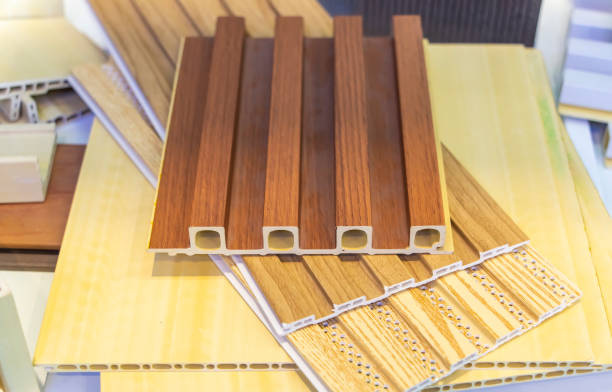
WPC was initially mainly used in outdoor flooring, garden landscapes, etc. It gained market recognition due to its excellent waterproof and weather resistance. With the increasing demand for upgraded indoor building materials, WPC wall panels gradually entered the commercial interior decoration field and have become an important selection direction for designers and homeowners in recent years.
Why WPC Wall Panels Are Ideal for Commercial Spaces
Commercial spaces face multiple stringent requirements in material selection: the wear and tear caused by frequent use, the waterproof and fireproof needs for specific areas, the dual constraints of construction period and budget, as well as the high standards of visual effect set by brand image. WPC wall panels excel in all these aspects and are currently one of the most cost-effective wall materials in the commercial decoration field.
| Core pain points of commercial spaces | WPC wall panel solution | Actual benefits |
| High foot traffic, prone to wall wear | High surface hardness, resistant to wear and impact | Reduce the frequency of renovation and lower operation and maintenance costs |
| High humidity in dining and bathroom areas | Waterproof and moisture-proof, without deformation or mold | Suitable for all scenarios, without worrying about moisture issues |
| Tight construction schedule | Snap-fit installation, dry construction method | The construction efficiency is over 40% higher than traditional wet installation |
| High brand image requirements | Rich texture, flexible design options | Customizable colors, highly matching the brand VI |
| Need for green building certification | Low VOC emissions, recyclable materials | Meet international green building rating requirements such as LEED |
| High cost of later operation and maintenance | No need for painting, wipe clean immediately, long lifespan | The total cost throughout the entire life cycle is 30% to 50% lower than that of solid wood |
Compared with traditional latex paint, ceramic tiles or solid wood boards, the comprehensive advantages of WPC wall panels lie in the integration of 【functionality, aesthetics and economy】, rather than being the ultimate in any single aspect. This makes them particularly suitable for commercial projects that seek long-term comprehensive value.
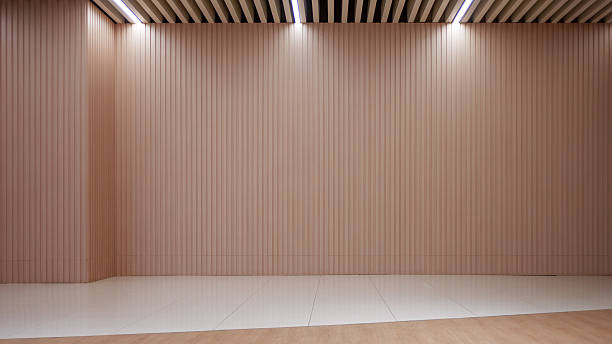
Applications of WPC Wall Panels in Offices
Modern office spaces are evolving from functional areas into brand-expressive, human-centric environments. Featuring diverse textures and stable structural performance, WPC wall panels have become an ideal choice for office wall decoration, enhancing corporate image while improving employees’ daily work experience.
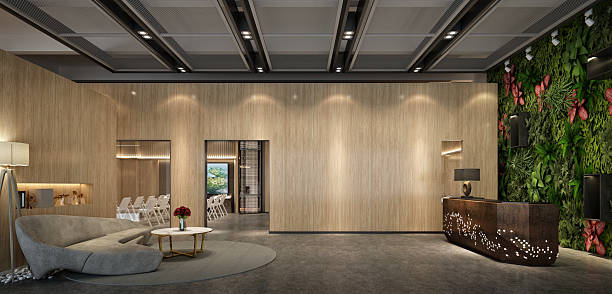
Lobby and Reception Area
The lobby is the first interface that a company presents to the outside world, and it often determines the first impression that visitors have of the brand. The advantages of WPC wall panels in this scenario are as follows:
- Dark walnut wood grain or matte dark gray series creates a stable and professional business atmosphere.
- The large-sized vertical splicing design emphasizes the depth and sophistication of the space.
- It can be combined with metal strips or light strips to create a layered LOGO background wall.
- It is wear-resistant and scratch-resistant, without any damage even when frequently touched by cleaning tools.
Design suggestion: The background wall of the reception desk should be made of a 1200mm × 2800mm large panel, which will reduce the seams and enhance the overall appearance.

Meeting Rooms
The meeting room has two important requirements for the wall materials: first, they should be visually stable and not distract the participants’ attention; second, they should have a certain sound absorption effect to reduce the noise during discussions.
- It is recommended to choose matte light wood grain or grayish-brown tones. Avoid using large areas of glossy surfaces as it may cause visual fatigue.
- When combined with the grille design, fill the grille with sound-absorbing cotton to significantly improve the acoustic environment of the meeting room.
- For some partition wall positions, a combination of WPC and glass partitions can be used. This allows for maintaining transparency while controlling noise transmission.
Open Office Area
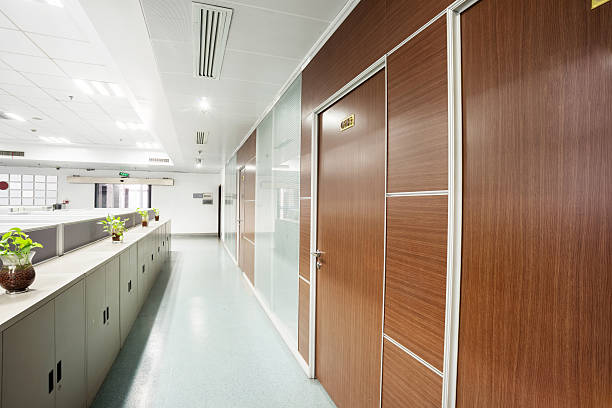
WPC wall panels in the open-plan office area are mainly used for end wall decoration, functional column covering and area partition, balancing both aesthetics and functionality.
Cylinder coating: WPC replaces stone or aluminum plates, reducing weight by more than 50% and facilitating installation
End view wall: As a visual focal point, it can be designed as a wall with brand value text or artistic texture
Area partition wall: A semi-high wall with a height of 1200mm to 1500mm, dividing functional areas without disrupting the openness of the space
Corridors, Passageways, and Tea Room
Corridor Passage: Focus on wear resistance and impact resistance. It is recommended to choose product combinations with anti-collision strips.
Tea Room / Bathroom: Water resistance is of utmost importance. Select the fully waterproof WPC series to prevent deformation and warping in a long-term humid environment.
Changing Room: Moisture-proof and anti-bacterial, easy for daily cleaning, and low maintenance cost.
Recommended Product Parameters for Office Scenes
| Application Area | Recommended Thickness | Recommended surface effects | Key Performance |
| Lobby reception area | 15~18mm | Dark wood grain / matte stone pattern | Visual effect, wear resistance |
| Meeting Room | 12~15mm | Light wood grain / grayish linen color | Sound absorption compatibility, matte finish |
| Corridor / Passage | 15~18mm | Solid color matte | Wear-resistant and impact-resistant |
| Tea room / Bathroom | 18mm and above | Light color waterproof series | Fully waterproof, mold-resistant |
Applications of WPC Wall Panels in Hotels
Hotel building materials demand far higher standards than ordinary commercial spaces: durability for heavy use, premium aesthetics, fire safety compliance, and waterproofing/mold resistance for SPA and pool areas. With all-round performance, WPC wall panels offer great advantages for every hotel space.
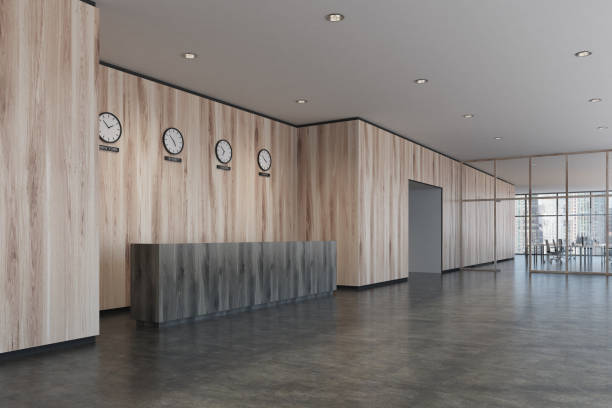
Hotel Lobby
The hotel lobby is the physical manifestation of brand value. The high-simulation texture of WPC wall panels enables it to achieve a visual effect close to natural stone or solid wood at a lower cost:
- Marble-patterned WPC: Presenting a light and luxurious texture, suitable for five-star and boutique hotels
- Large panel assembly (width over 600mm): Reducing seams, with higher visual tidiness
- Combined with copper or black metal strips, enhancing luxurious details
- All-weather stain-resistant and easy to clean, suitable for public areas with frequent cleaning
Material selection suggestion: The main background wall of the lobby should use the matte marble-patterned series, and the wall skirt area should be paired with horizontal wood grain, presenting a clear hierarchy, while balancing high-end feel and durability.
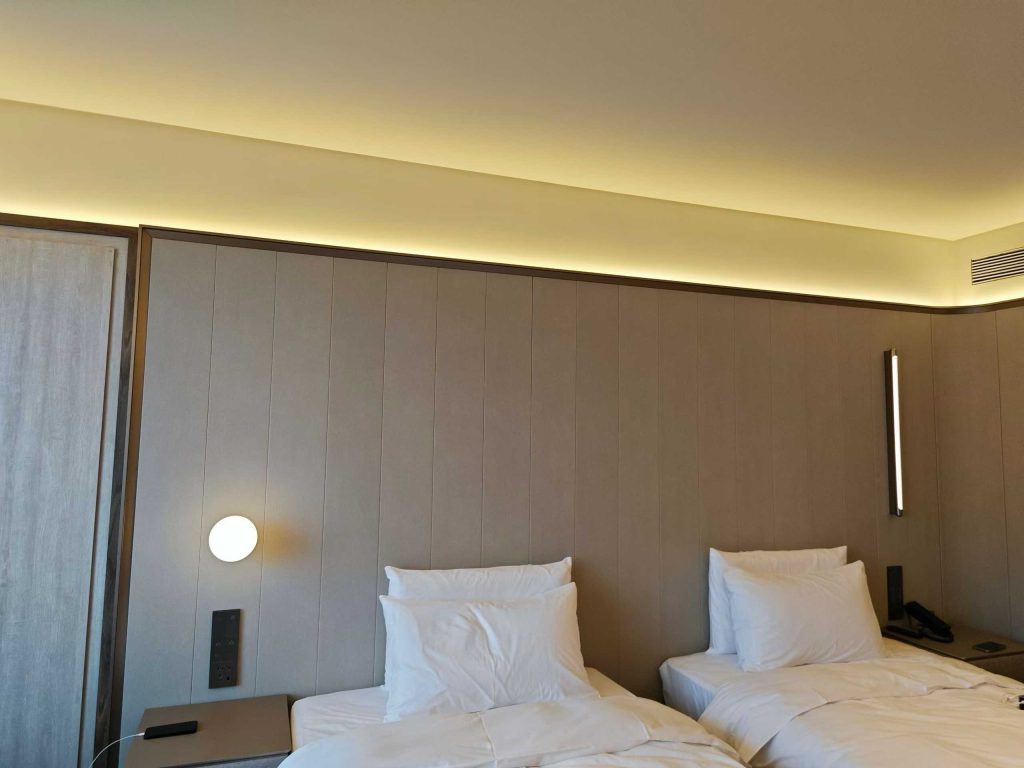
Guest Rooms
The guest room is the space where guests stay the longest. The wall materials must meet the requirements of visual warmth, comfortable touch and quiet sound insulation:
- The theme wall at the bedside: Light wood grain or warm stone pattern, creating a cozy sleeping atmosphere
- The TV background wall: Can be combined with WPC for niche design to increase space utilization
- The dry area of the bathroom: Waterproof WPC replaces traditional tiles to avoid the cold and hard feeling, and also solves the problem of damp deformation
WPC itself has certain sound insulation performance. Combined with special sound insulation cotton, the quiet effect of the guest room can be further improved.
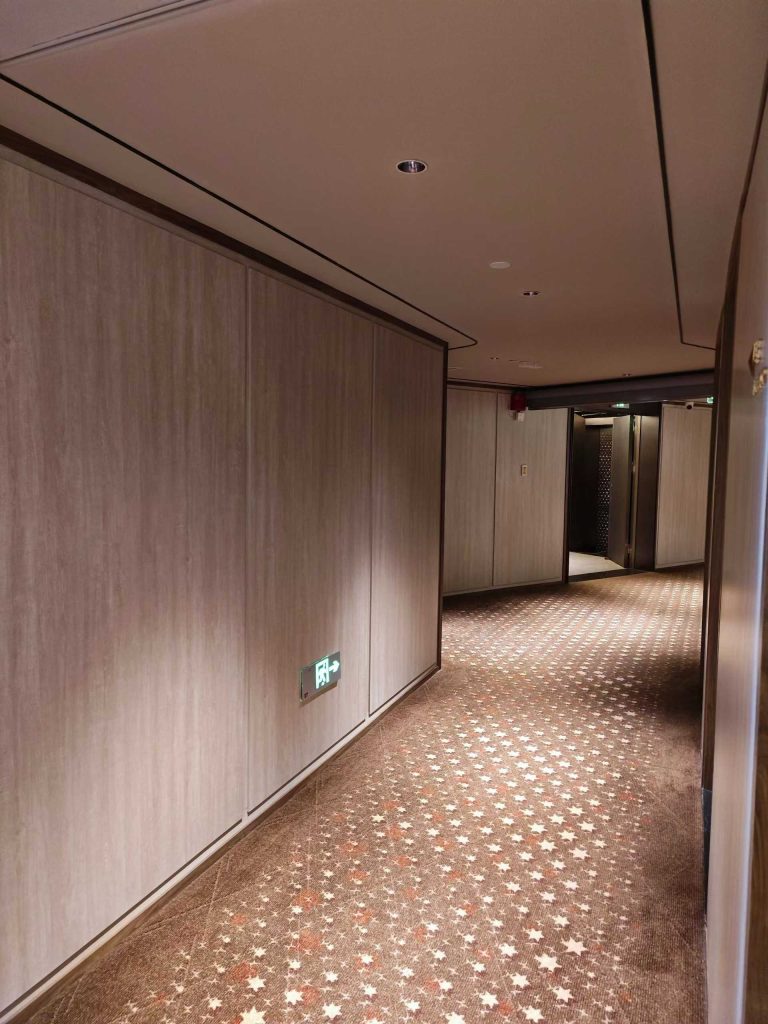
Restaurants and Banquet Halls
The walls of restaurants and banquet halls need to be designed with considerations for aesthetics, stain resistance and atmosphere creation. WPC has significant advantages in this regard:
All-day restaurants: Neutral wood grain series, suitable for all-time use, not dependent on lighting
Banquet halls: Large areas of high-end light-colored series, combined with lighting layers, suitable for wedding banquets, meetings, etc. for various functions
Anti-stain coating: Some WPC products have anti-stain treatment on their surfaces, making cleaning in the kitchen area more convenient
SPA and Pool Area
This is the area with the strictest requirements for waterproofing, and it is also one of the most competitive application scenarios for WPC wall panels:
Around SPA rooms / steam rooms: 100% waterproof, without deformation, cracking or mold growth, fully adaptable to high-temperature and high-humidity environments
Indoor swimming pool changing area: Anti-slip textured floor combined with waterproof wall panels, combining safety and aesthetics
Compared to tiles, WPC has a lower thermal conductivity and a gentler contact sensation, enhancing the guest experience
Fire protection reminder: All WPC wall panels used in public areas of the hotel must comply with the GB8624 B1-level fire safety standard. Please clearly request the supplier to provide relevant test reports during the purchase process.
WPC Wall Panels vs. Traditional Materials
In the face of the various wall materials available in the market, an objective horizontal comparison can help decision-makers make a more rational judgment on whether WPC is suitable for their project. The following compares and analyzes from six core dimensions:
Comparison of the comprehensive performance of five major materials
| Comparison dimension | WPC wall panels | Varnish paint | Tiles | Solid wood board | Aluminum-plastic board |
| Waterproof and moisture-proof | ★★★★★ | ★★☆☆☆ | ★★★★★ | ★★☆☆☆ | ★★★★☆ |
| Durable and scratch-resistant | ★★★★☆ | ★★☆☆☆ | ★★★★★ | ★★★☆☆ | ★★★★☆ |
| Design richness | ★★★★★ | ★★★☆☆ | ★★★★☆ | ★★★★☆ | ★★★☆☆ |
| Construction convenience | ★★★★★ | ★★★★☆ | ★★☆☆☆ | ★★☆☆☆ | ★★★★☆ |
| Environmental performance | ★★★★☆ | ★★★☆☆ | ★★★☆☆ | ★★★★☆ | ★★★☆☆ |
| Overall cost-effectiveness | ★★★★☆ | ★★★★★ | ★★★☆☆ | ★★☆☆☆ | ★★★★☆ |
| Post-installation maintenance | ★★★★★ | ★★★☆☆ | ★★★★☆ | ★★☆☆☆ | ★★★★☆ |
Suggestions for applicable scenarios of each material
Latex paint: Suitable for low-budget, non-humid simple spaces, but with limited durability and design appeal
Tiles: Extremely waterproof, suitable for high-humidity areas such as bathrooms and kitchens; but the construction is complex and has a cold and hard feel, not suitable for large-scale wall decoration
Solid wood boards: Have the best natural texture, but are costly, have poor moisture resistance, and require regular maintenance, making them more suitable for high-end custom projects
Aluminum-plastic panels: Have good weather resistance and are lightweight, but the texture is more industrialized and the design is not as rich as WPC
WPC wall panels: Have the most balanced performance, especially suitable for commercial projects that aim to balance aesthetics, durability and economy
In reality, no material is absolutely superior in all aspects. The core value of WPC lies in its “comprehensive balance” – it is not the champion of any single performance, but in the comprehensive application scenarios of commercial spaces, it is the closest choice without weaknesses.
Conclusion
As the demands for commercial spaces to meet the three aspects of appearance, performance and cost of building materials continue to rise, WPC wall panels are becoming the preferred solution for an increasing number of designers and property owners. It is not the most expensive, nor does it have the most extreme performance in any single aspect, but it is the closest to the ideal wall material for commercial use in terms of comprehensive dimensions.