

Best Wall Panel Materials for Hotel Renovation: A Complete Guide
Hotel renovation is honestly one of the most, investment sensitive decisions you can make inside the hospitality industry. And among all those interior surfaces, wall panels kinda set the whole vibe of each place , from that first look when a guest checks in, to the actual comfort they feel later in their rooms. Picking the right wall panel materials matters a lot for renovation cost, how fast the project goes, what kind of upkeep you’ll face over time and well… the guest satisfaction too.
Table of Contents
Why Wall Panels Are Critical in Hotel Renovation
In a hotel setting, walls get daily punishment, you know. Luggage trolleys in corridors, steam and moisture in bathrooms, and all those little marks in guestrooms… Unlike normal residential interiors, hotel walls have to keep that clean, high-end look through thousands of guest turnovers, and that really should happen without expensive repainting or repairs that keep coming back.
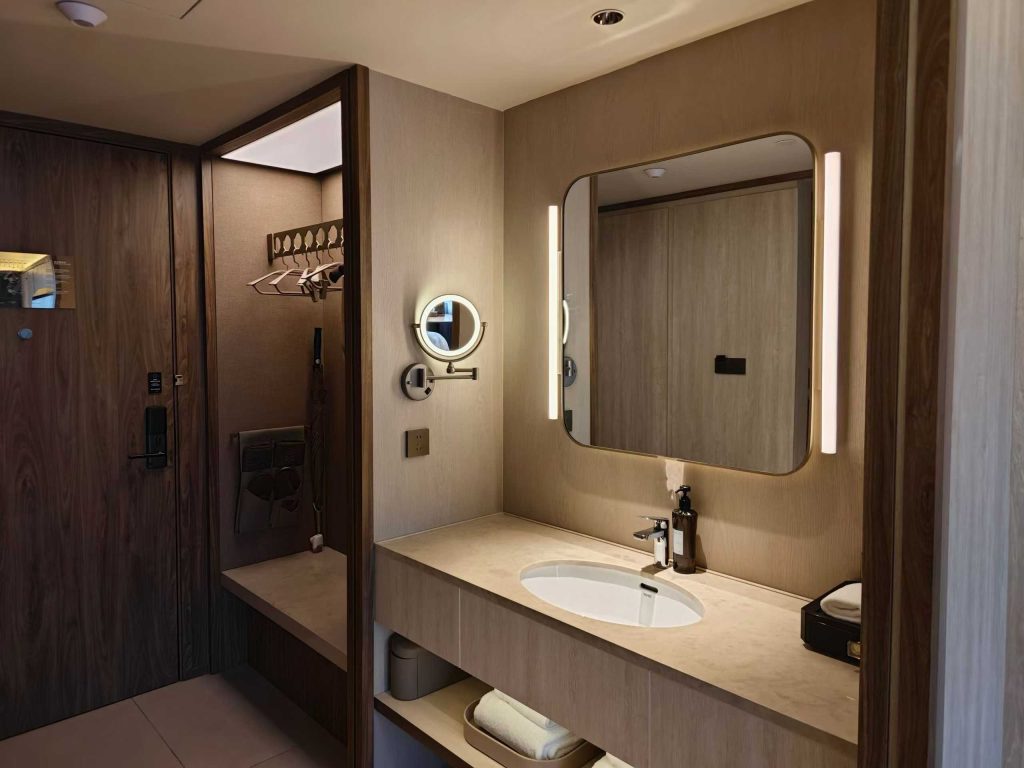
Modern decorative wall panels kind of solve the whole thing, by mixing a flexible appearance with performance that is basically built for commercial use. When you compare wall panel systems to older finishes like paint, wallpaper, or ceramic tile, the difference is pretty clear—installation usually goes faster, labor costs tend to drop, and the surface lasts way longer. So for hotel owners planning a guestroom refresh, or even a full-property refurbishment, picking the proper panel solution can cut downtime by weeks and, at the same time, reduce the overall total cost of ownership quite a bit.
Key Selection Criteria for Hotel Wall Panels
Not all wall panels are created equal. When specifying materials for a hotel renovation project, the following criteria should guide every decision:
Lower cost than traditional materials. Panel systems — especially WPC and SPC — cost substantially less than ceramic tile or natural stone when total installed cost is considered. Faster installation means lower labor spend, and modular systems reduce material waste.
Easy and fast installation. Hotel rooms generate revenue only when occupied. Panels with click-lock or tongue-and-groove systems can be installed without wet trades (no cement, no grout), dramatically cutting renovation timelines. A standard guestroom that takes 5–7 days with tiling can often be completed in 2–3 days with wall panels.
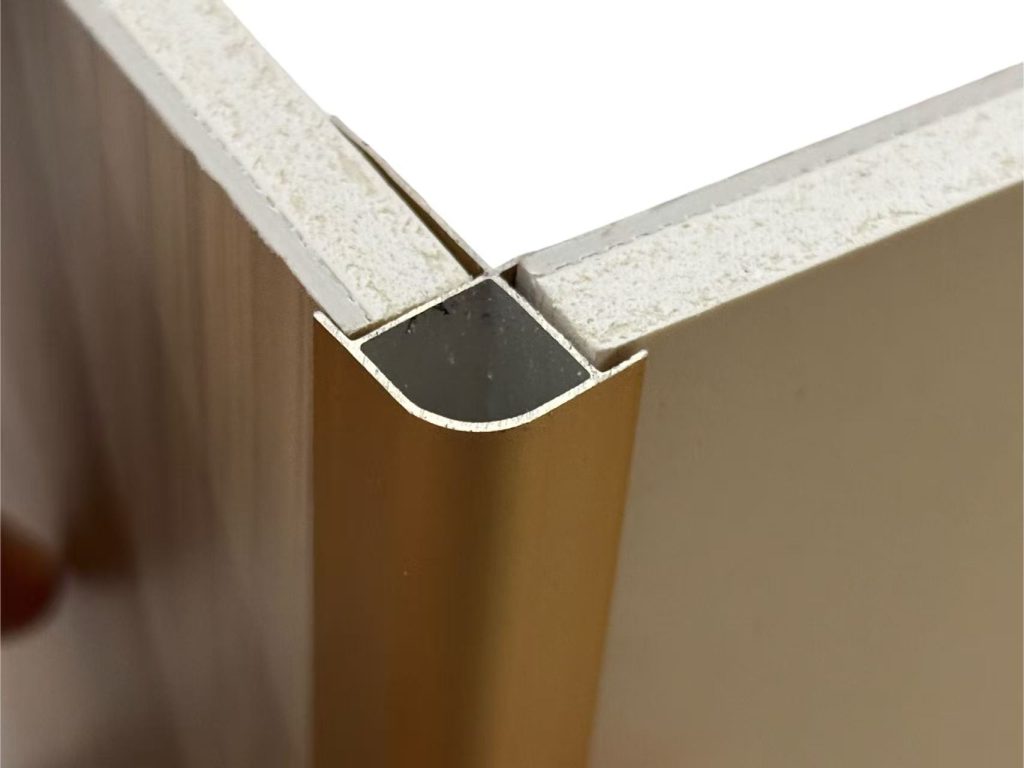
Fire-resistant qualities. Buildings intended for public usage and hospitality applications have very stringent fire safety codes. It is imperative that the chosen panels adhere to specific fire retardant guidelines (Class B or any other nation-specific certification), which are appropriate for corridor and lobby use.
Impact resistance and durability. Corridors and lobbies have to cope with many impacts due to luggage, carts, etc. It is imperative to choose panels that are high in impact resistance.
Waterproof performance. Bathrooms wet rooms, and zones close to pools need 100% waterproof materials—not just “moisture resistant” kinds. The panel core, the face layer, and those joints too have to block any water intrusion completely.
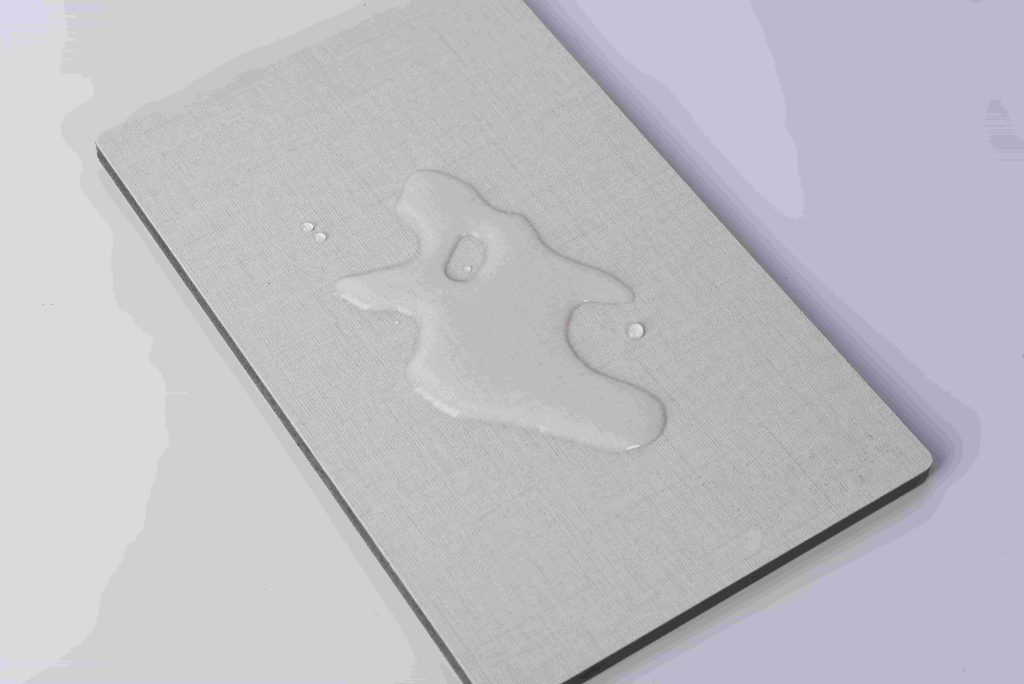
Eco-friendly, E0-grade formaldehyde emissions. Indoor air quality is a growing concern for hotel brands and guests alike. Low-VOC materials also support LEED and BREEAM credits for sustainable building certification.
WPC vs SPC vs Wood Veneer: Which Material Wins?
Understanding the differences between the three most common hotel wall panel materials helps you match the right product to the right zone.
| WPC Wall Panel | SPC Wall Panel | Wood Veneer Panel | |
| Core material | Wood fiber + polymer composite | Stone plastic composite (rigid PVC + limestone) | Real wood face on engineered substrate |
| Waterproof | Moisture-resistant | 100% waterproof | Poor — not suitable for wet areas |
| Impact resistance | Moderate | High | Moderate |
| Price | Lower (same spec vs SPC) | Mid-range | Higher |
| Customization | High — custom sizes, curves, bends | Standard sizes | Limited |
| Best for | Guestrooms, feature walls | Corridors, bathrooms | Lobby accent walls, suites |
Recommended Materials by Hotel Zone
Guestrooms — WPC Wall Panels with the capability to make panels to fit your size requirements, there is much less need for cutting on site. Modular installation greatly speeds up the process of installing the wall panels, saving you precious time for each room. With many options of wood grains, stones, or solid color finishes, your guests get the look that your property needs for an affordable price.
Corridors — SPC Wall Panels Hotel corridors endure more physical abuse than any other surface. Luggage, housekeeping carts, and thousands of daily footsteps demand a panel that will not dent, scratch, or show wear. SPC wall panels, with their high-density stone-polymer core, meet this demand while remaining easy to clean with standard hotel cleaning products.
Bathrooms — SPC Wall Panels Bathroom walls require 100% waterproof performance, period. SPC panels with a seamless or minimal-joint installation eliminate the mold risk associated with traditional tile grout. The smooth, non-porous surface is hygienic, fast to clean, and maintains a polished appearance through years of daily use. Available in marble, stone, and neutral finishes, SPC bathroom panels deliver a luxury look at a fraction of the cost of real stone.
Sustainability and Certification Standards
Modern hotel brands and operators increasingly require materials to meet recognized sustainability standards. When sourcing wall panels, look for:
- E0-grade formaldehyde emissions for all wood-based composite panels
- CE marking for compliance with European construction product standards
- ISO 9001 quality management certification from the manufacturer
Installation Process and Renovation Timeline
One of the strongest arguments for modern wall panel systems over traditional finishes is the speed advantage. Here’s a typical comparison:
- Ceramic tile installation: requires substrate preparation, adhesive setting time, grouting, and curing — typically 5–8 days per room
- Wall panel installation: panels are mechanically fixed or adhesive-applied directly to existing walls in most cases, with no curing time — typically 2–3 days per room
For a 200-room hotel, this difference can shorten the total renovation period by 4–6 weeks, dramatically reducing revenue loss from room closures. Click-lock and tongue-and-groove systems further streamline the process, allowing semi-skilled installers to work efficiently without specialist tile setters.
Why Source Direct from a Wall Panel Manufacturer?
Working directly with a factory — rather than through distributors or local resellers — delivers four key advantages for hotel renovation projects:
Lower cost. Factory-direct pricing eliminates distributor margins, often reducing material cost by 15–30% compared to the same specification sourced through retail or wholesale channels.
Shorter lead time. Direct production scheduling means faster turnaround on bulk orders and priority production slots for large hotel projects.
Wide finish selection. Our factory offers an extensive library of surface finishes — wood grain, marble, solid color, textile texture — applied to both WPC and SPC cores, so design teams can achieve their aesthetic vision without compromise.
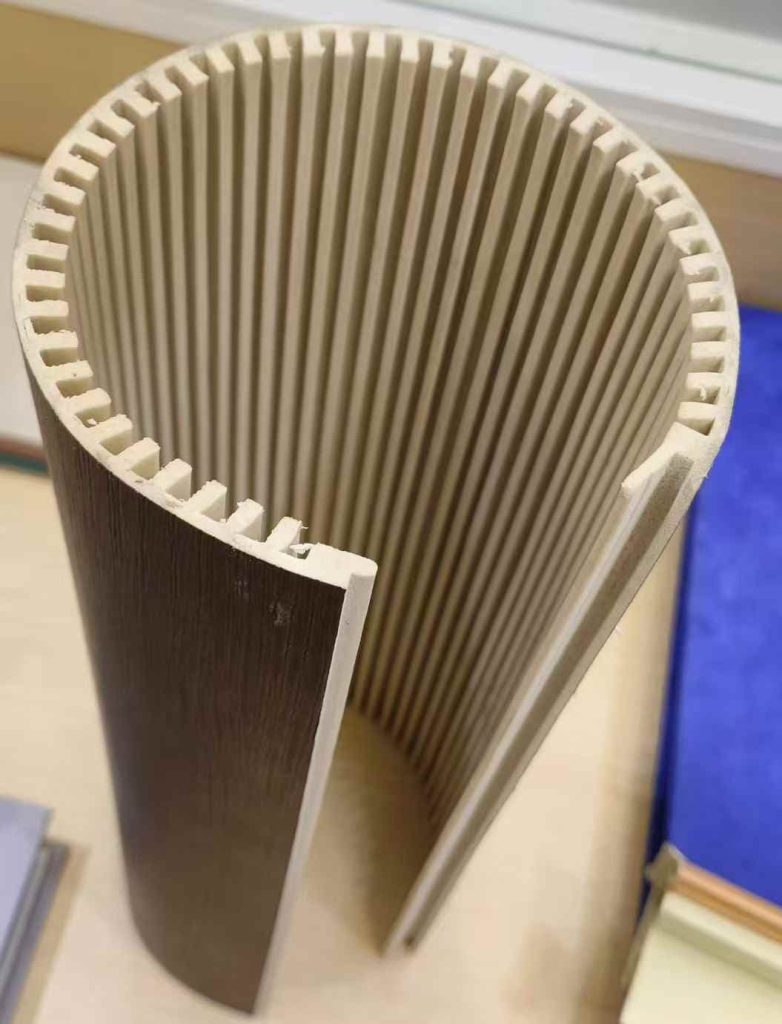
Custom fabrication. Standard flat panels are just the beginning. Our manufacturing capabilities include curved panels, bent profiles, and radius corner pieces — engineered to exact specification — giving architects and interior designers the freedom to realize complex wall geometries that off-the-shelf products cannot deliver.
Whether you are renovating a single boutique property or rolling out a multi-site refurbishment program, our team provides ODM/OEM support, sample dispatch, and project quotations within 24 hours.
Ready to specify wall panels for your next hotel renovation? Contact our team for a free sample kit and project quotation.