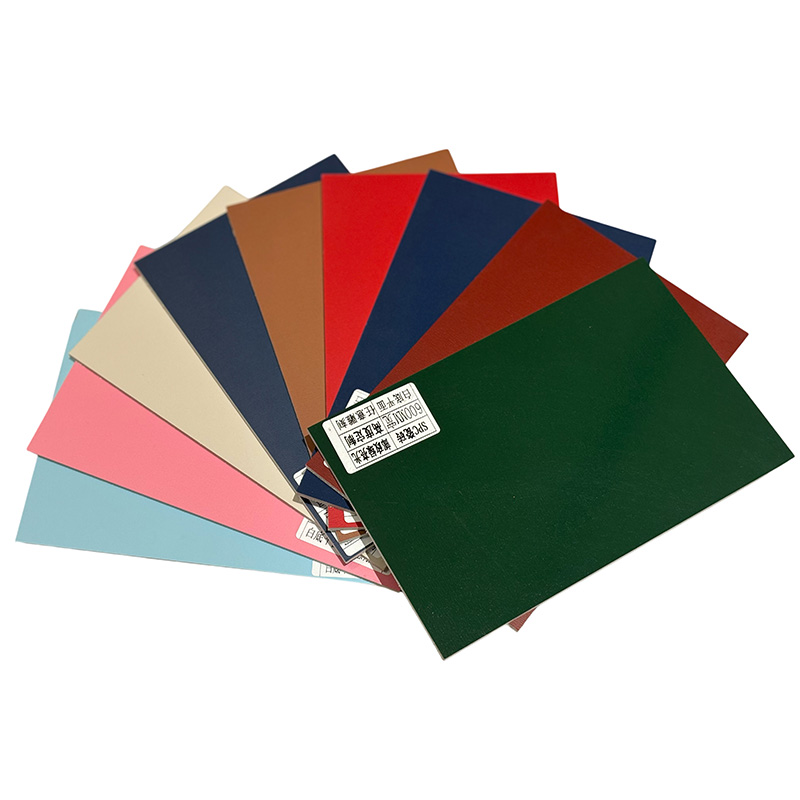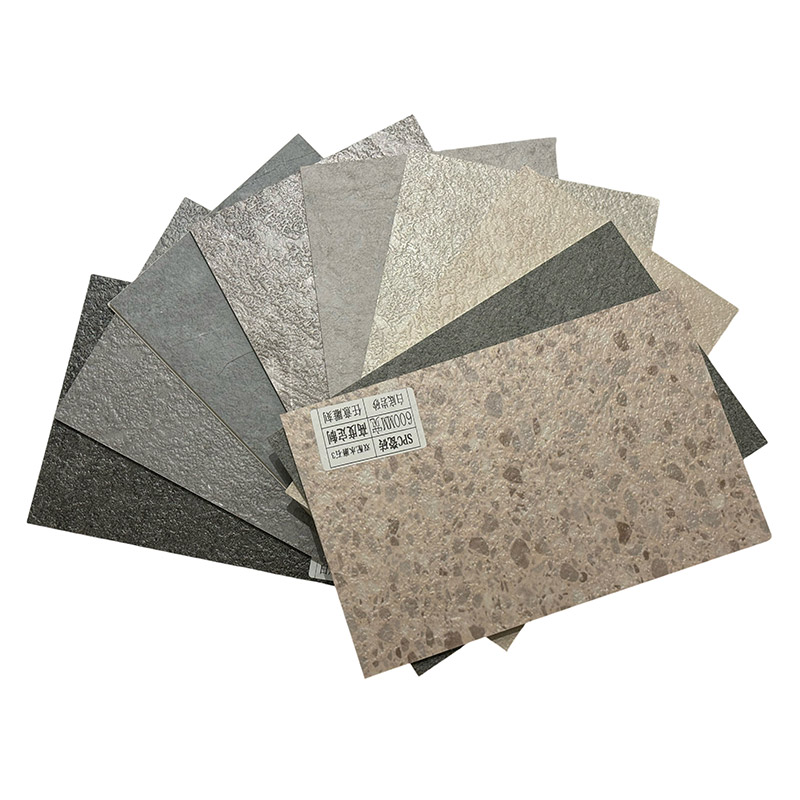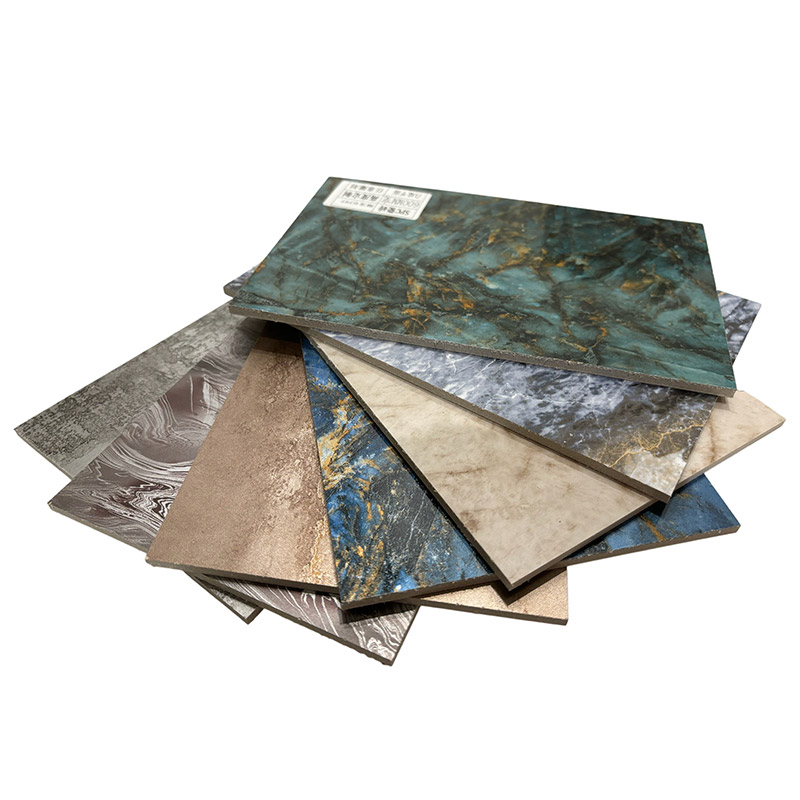

Best Waterproof Wall Panels for Bathrooms
The bathroom stands as the most humid area in the home, which makes it vulnerable to damage. Traditional building materials fail to protect against moisture erosion because they cannot handle the constant water mist produced by showers and the persistent wet conditions near bathtubs, which leads to mold growth and product detachment and structural damage. The waterproof wall panels were developed to solve the problem because they provide exceptional waterproof protection and simple installation and they combine visual appeal with long-lasting strength. The product has emerged as the top choice for bathroom renovations in numerous homes across the past few years.
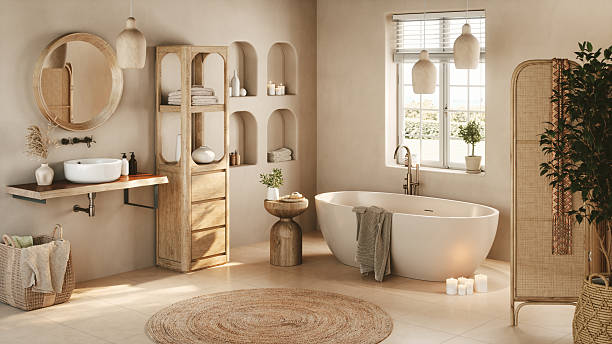
This article will provide you with a comprehensive and practical guide for purchasing bathroom waterproof wall panels, helping you find the wall panel solution that best suits your bathroom. It covers product definition, selection tips, annual recommended list, and common questions.
Table of Contents
What is a Bathroom Waterproof Wall Panel?
A bathroom waterproof wall panel is a type of wall covering material specifically designed for high-humidity environments. The product usually consists of PVC and acrylic and composite materials and quartz stone patterns with a waterproofing treatment that prevents water penetration and protects the wall structure from damage caused by water vapor and liquid water.
Compared with traditional ceramic tiles, waterproof wall panels have the following core advantages:
- Seamless design: Significantly reduces the number of seams, lowering the risk of mold growth
- Easy installation: Most products can be directly applied to the existing wall, making DIY friendly
- Simple maintenance: Smooth surface, daily cleaning only requires wiping
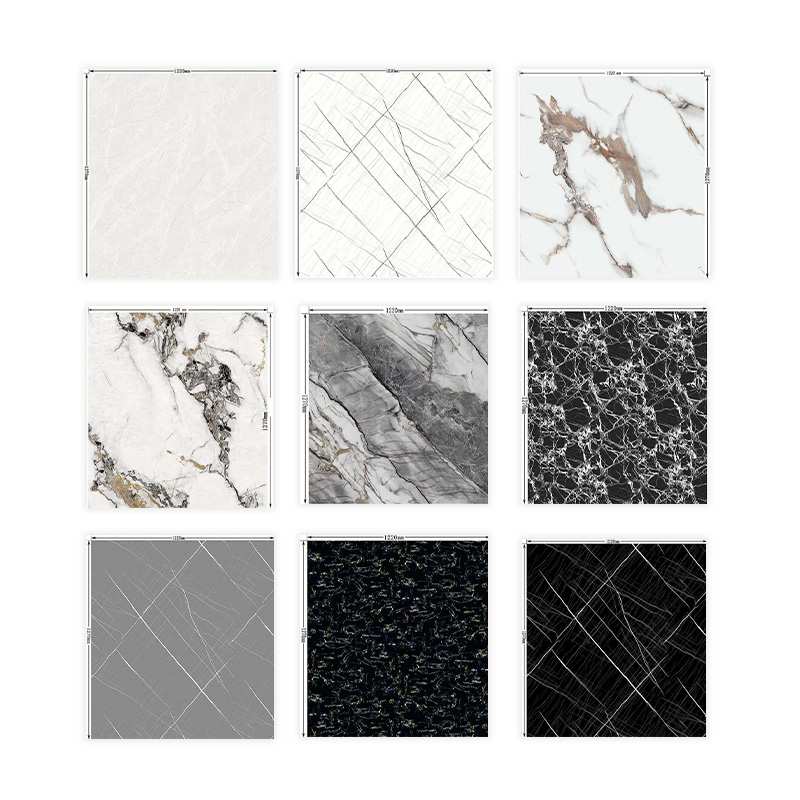
- Diverse appearance: Can imitate various styles such as stone, wood grain, and marble, meeting different decoration needs
Common application scenarios include: shower wall, bathtub backboard, rear wall skirt of the washbasin, and full-wall renovation of the entire bathroom.
Key Purchasing Factors
When choosing bathroom waterproof wall panels, the following aspects are of great importance and it is recommended to check them one by one before placing the order.
Material types
- The market currently considers PVC wall panels which use Polyvinyl Chloride as the most popular wall panel option. The product serves users with budget constraints because it provides affordable and lightweight waterproofing solutions which function as a suitable option for DIY installation. The product has a thinner texture and lacks the luxurious quality of more expensive items.
- Acrylic wall panels have a high gloss finish and visually resemble glazed tiles, with excellent waterproofing performance. They outperform PVC in terms of scratch resistance and are suitable for users who value texture. The price is moderately high.
- Composite material wall panels (Composite Panels) are typically composed of a waterproof base layer and a decorative surface layer, offering a balance of lightness and strength. They are suitable for complete renovation scenarios and result in the most refined overall effect after installation.
Waterproof level and certification standards
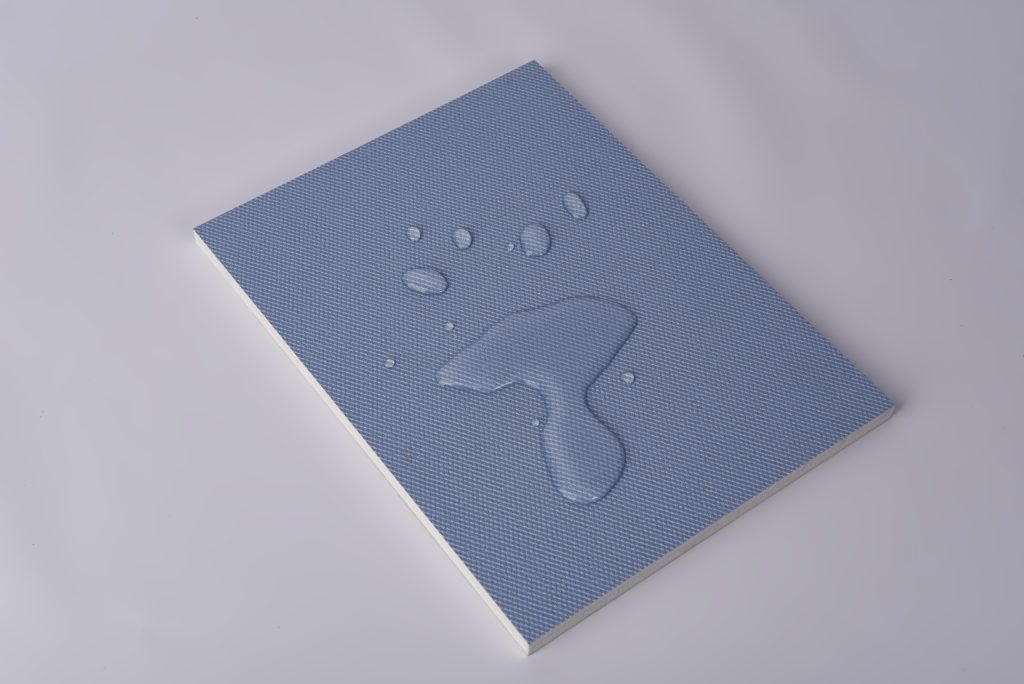
High-quality waterproof wall panels should be certified with a waterproof rating of IP44 or higher. The key indicators include three factors which are the material’s water absorption capacity and the sealing design at the seams and the moisture-proof treatment of the backboard. Customers should verify that products possess their necessary certification documents especially for products used in shower areas which experience extended water contact.
Size and Thickness Selection
The thickness of the wall panels usually ranges from 3mm to 10mm. Thinner products (3–5mm) are more flexible for installation and are suitable for covering existing tiles; thicker products (8–10mm) have a more stable structure, better sound insulation and thermal insulation performance. In terms of panel size, large panels have fewer seams and a stronger overall feel, but the difficulty of handling and cutting increases accordingly.
Installation method and maintenance cost
The current mainstream installation methods can be divided into two types: adhesive installation which works best for new walls and flat old walls and snap-in installation which allows for easy replacement. Before purchasing, it is recommended to confirm whether the product includes auxiliary materials such as corner strips and joint strips, as well as whether the manufacturer provides installation instructions or after-sales support. For long-term maintenance, waterproof wall panels hardly require resealing, and the daily cleaning cost is extremely low.
Recommended Best Waterproof Wall Panels For Bathrooms
The waterproof wall panels made of different materials vary significantly in terms of waterproof performance, appearance texture, installation difficulty and price range. Below, classified by material, it will help you quickly identify the type that best suits your bathroom needs.
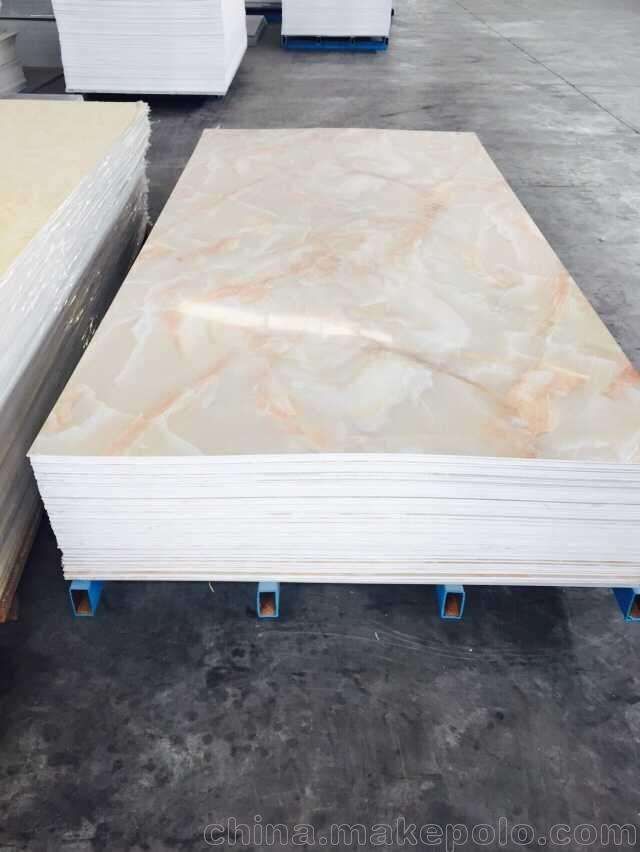
PVC Waterproof Wall Panel – “The Best Value Option”
Target Audience: Budget-conscious, DIY installers, rental property renovations, quick renovations
Core features:
- Thickness range: 3–8mm, lightweight, easy to cut
- Waterproof performance: Completely waterproof, with an absorption rate close to zero
- Installation method: Tongue-slot connection or adhesive bonding, can be operated by one person
Acrylic Waterproof Wall Panels – “The Best Choice for Looks and Texture”
Suitable for: Those who appreciate a smooth finish, value visual appeal, and are considering mid-to-high-end home renovations.
Core features:
- Thickness range: 4–8mm, with high gloss on the surface
- Waterproof performance: Completely waterproof, with no pores on the surface and strong stain resistance
- Installation method: Requires special adhesive; the base surface must be flat
High-Pressure Composite (HPL) Waterproof Wall Panels – “The Best Choice for Durability and Luxury”
Suitable for: Owner-occupiers seeking long-term quality investment and preferring high-end interior design styles.
Core Features:
- Thickness range: 8–12mm, sturdy structure
- Waterproof performance: Completely waterproof, certified by international standards such as ISO
- Installation method: Adhesive bonding or mechanical fixation, recommended for professional installation
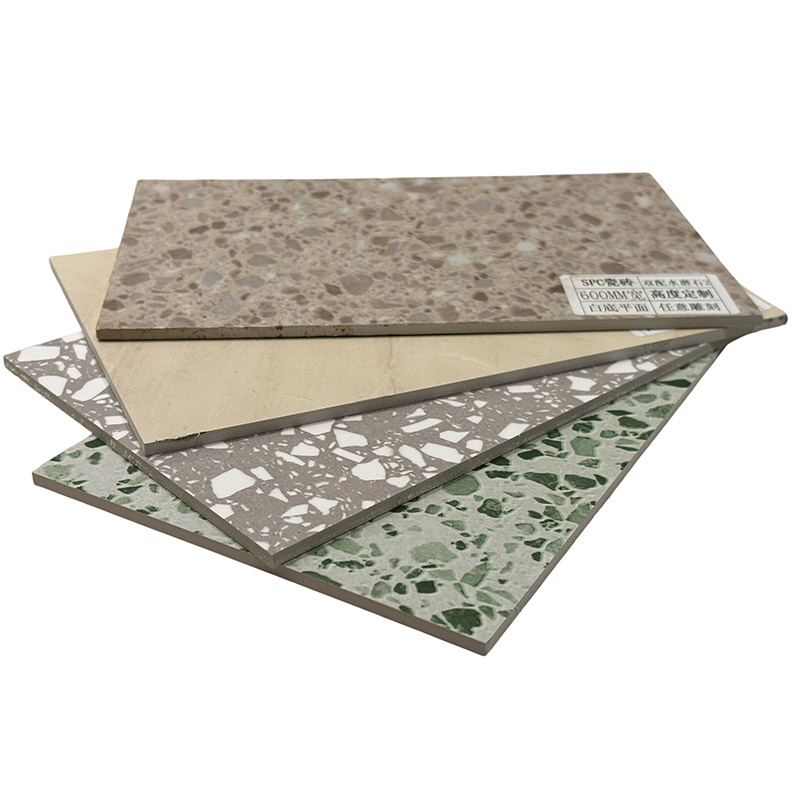
Stone Texture SPC Waterproof Wall Panel – “The Best Fake-Real Choice”
Target Audience: Users who love the style of stone or marble but have a limited budget
Core Features:
- Thickness range: 5–10mm, with stone powder base material, with a sense of weight upon touch
- Waterproof performance: Completely waterproof, with extremely low water absorption rate of the base material
- Installation method: Mainly by adhesive, some models support snap-in mechanism
Frequently Asked Questions (FAQ)
Can waterproof wall panels be directly attached to the existing tiles?
Yes, but there are certain conditions to be met. The existing tiles must be firmly attached, flat, and without any hollowing or detachment. On this basis, PVC or thin composite wall panels can be directly covered with the help of special glue, without the need to remove the old bricks, which significantly reduces the construction cost and duration. If the original wall surface is not flat or there are loose parts, it is recommended to handle the base layer first before installation.
How long can the waterproof wall panels last?
The lifespan of high-quality waterproof wall panels from mainstream brands typically ranges from 10 to 25 years, depending on the material and regular maintenance. PVC wall panels generally last for 10 to 15 years; high-end composite materials like HPL can last over 20 years with proper maintenance.
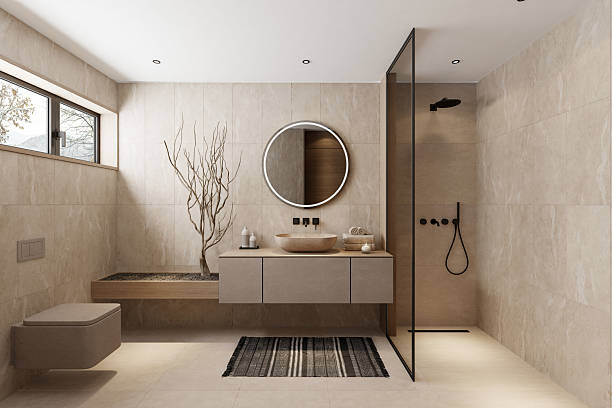
Which is cheaper, waterproof wall panels or tiles?
In terms of overall cost, waterproof wall panels are usually more economical. Although some high-end wall panel products have relatively high unit prices, due to the simpler installation process (can be DIY), no need for professional grouting, and almost zero daily maintenance costs, the overall long-term cost is often lower than the traditional tile solution.
Summary and Purchase Suggestions
Bathroom waterproof wall panels have evolved from a niche product to a mainstream decoration option. There are now a wide variety of products available on the market, with a considerable range of prices.
No matter the size of your bathroom or your decoration style, you can find a suitable waterproof wall panel solution on the market. We hope this guide will help you make a more informed choice and create a beautiful and durable bathroom space.