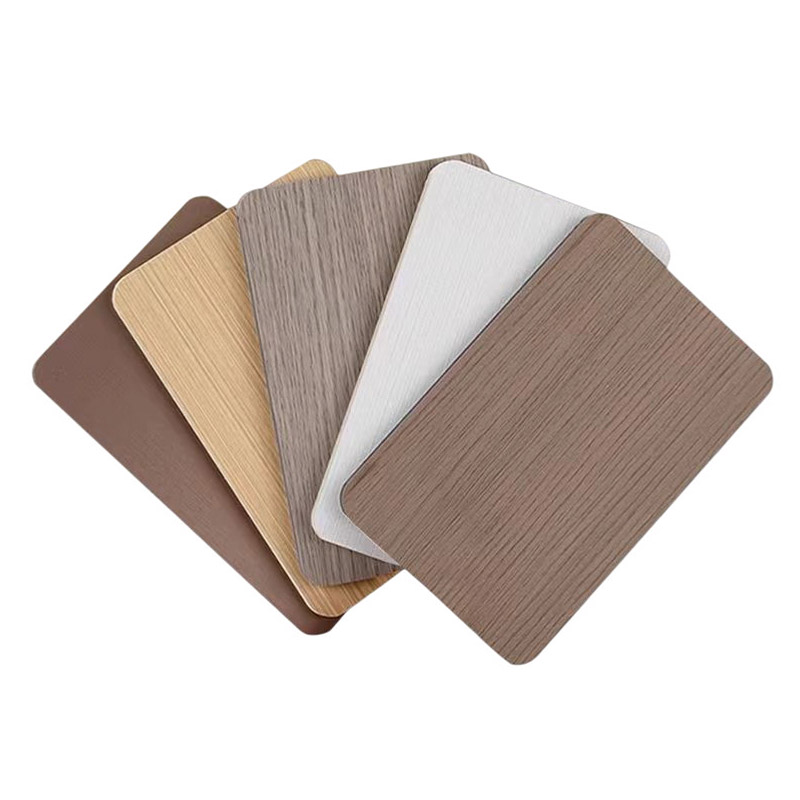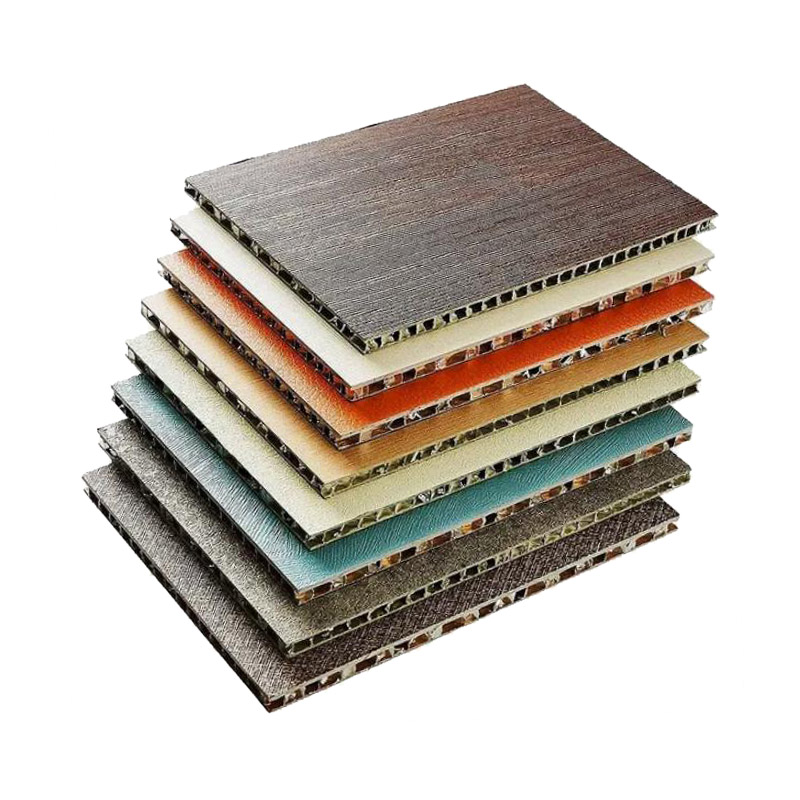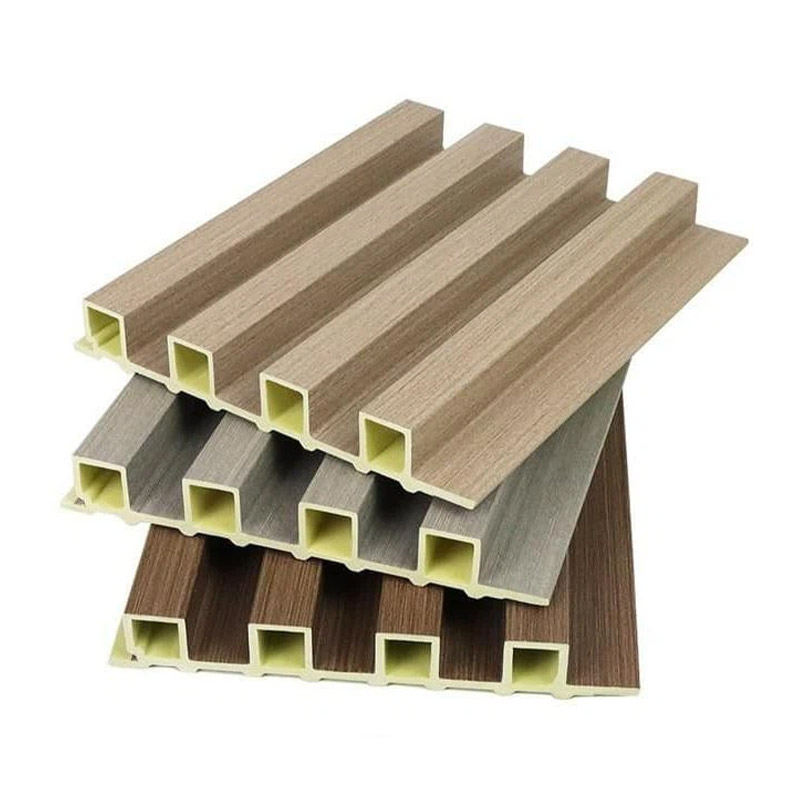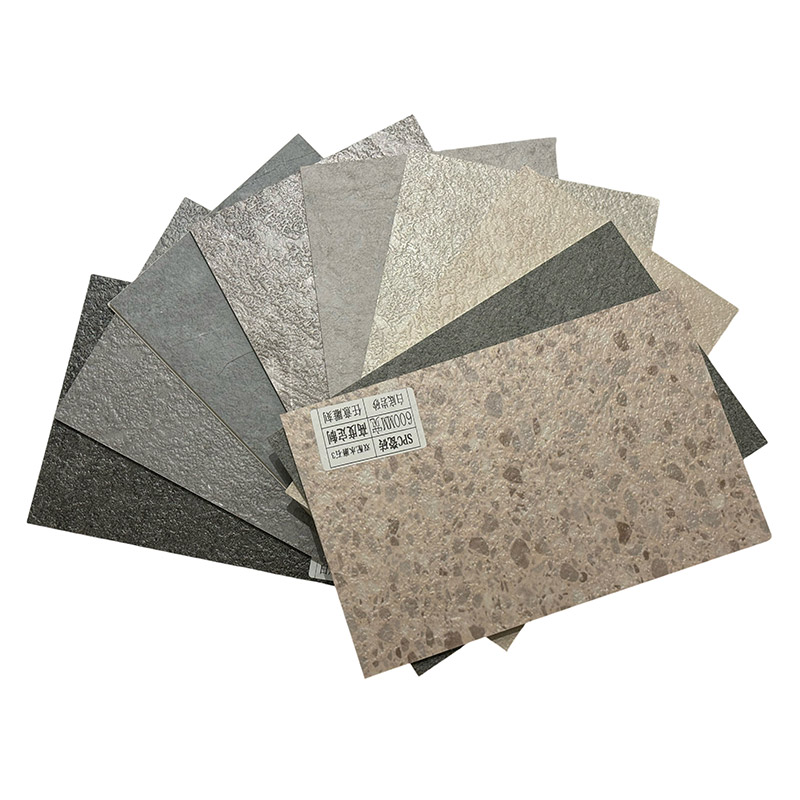

7 Types of Wall Panels: Complete Material Guide
When choosing interior or exterior wall finishes, many people ask: how many types of wall panels are there?
The answer is simple — there are 7 main types of wall panels widely used today:
- PVC wall panels
- WPC wall panels
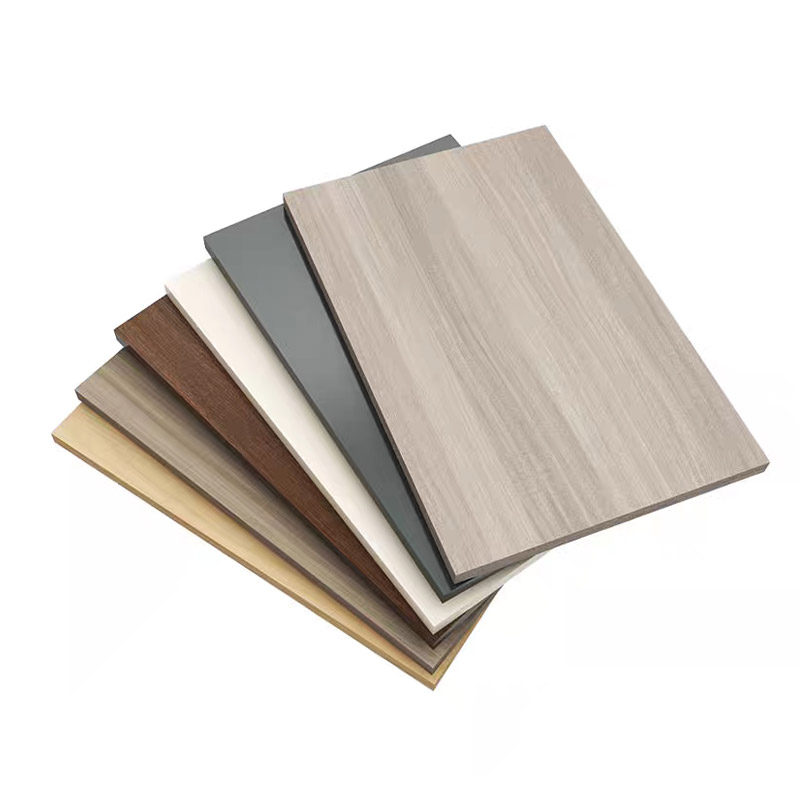
- MDF panels
- Plywood panels
- Solid wood panels
- Gypsum panels
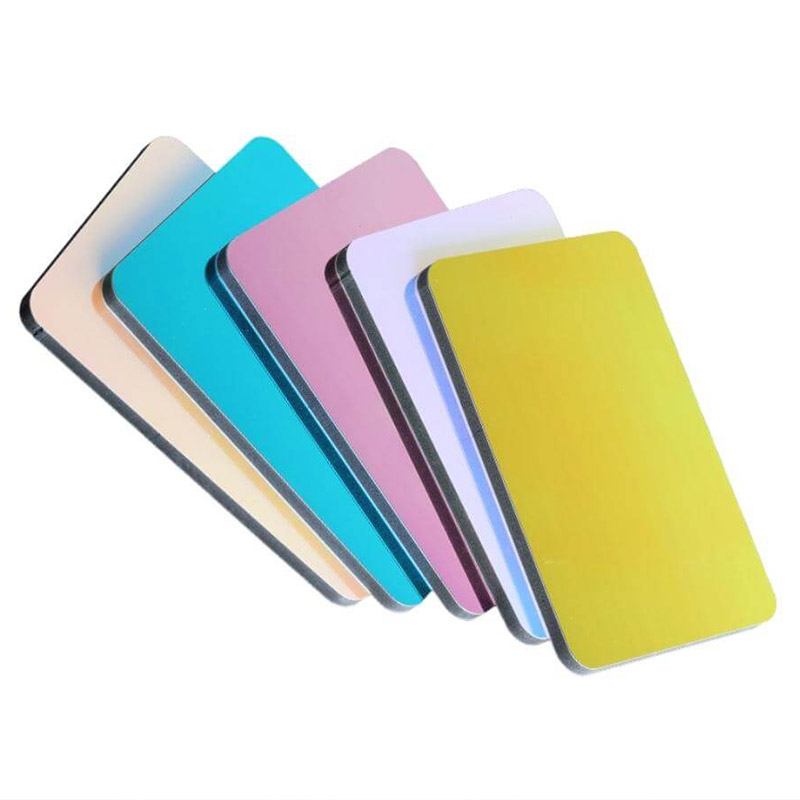
- Metal panels
Each material has its own strengths in durability, cost, waterproof performance, and design flexibility. This guide will help you quickly compare them and choose the best option for your project.
Table of Contents
Quick Comparison of Wall Panel Types
| Type | Material | Waterproof | Durability | Best Use | Cost Level |
| PVC | Plastic | ✅ Yes | Medium | Bathroom, kitchen | Low |
| WPC | Wood + Plastic | ✅ Yes | High | Interior walls | Medium |
| MDF | Engineered wood | ❌ No | Medium | Decorative walls | Low |
| Plywood | Layered wood | ❌ Partial | High | Furniture & walls | Medium |
| Solid Wood | Natural wood | ❌ No | High | Luxury interiors | High |
| Gypsum | Plaster | ❌ No | Medium | Ceilings & drywall | Low |
| Metal | Aluminum/steel | ✅ Yes | Very High | Commercial spaces | High |
If you want a balance between durability, waterproofing, and design, WPC panels are one of the most popular choices today.
7 Types of Wall Panels Explained
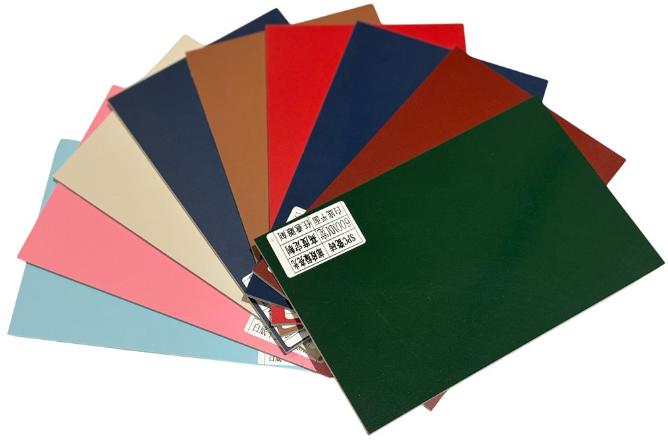
1. PVC Wall Panels
PVC (Polyvinyl Chloride) panels are lightweight, waterproof, and easy to install.
Advantages:
- 100% waterproof
- Low cost
- Easy maintenance
Disadvantages:
- Less premium appearance
- Lower heat resistance
Best for:
- Bathrooms
- Kitchens
- Rental properties
2. WPC Wall Panels
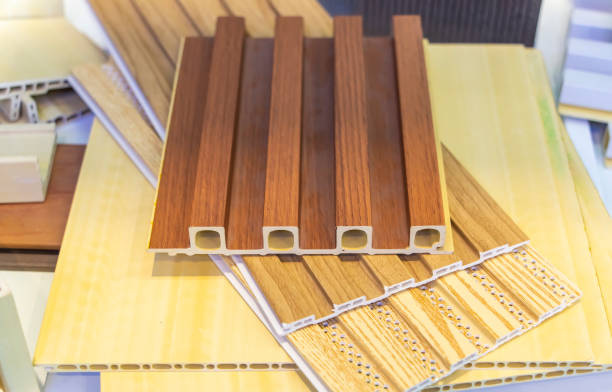
WPC panels combine wood fibers and plastic, offering both durability and aesthetics.
Advantages:
- Waterproof and termite-resistant
- Long lifespan (10–20 years)
- Natural wood-like appearance
Disadvantages:
- Slightly igher cost than PVC
Best for:
- Living rooms
- Offices
- Commercial interiors
3. MDF Wall Panels
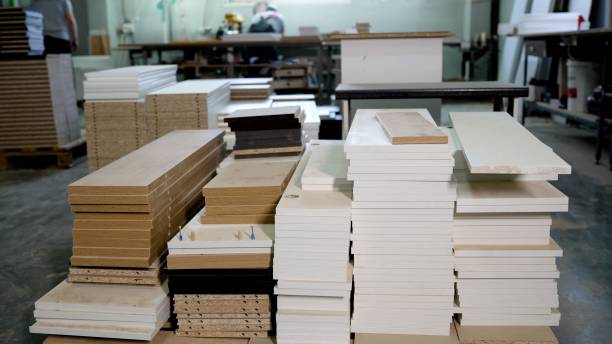
MDF (Medium Density Fiberboard) panels are smooth and ideal for decorative designs.
Advantages:
- Affordable
- Easy to paint and customize
Disadvantages:
- Not waterproof
- Can swell in humid environments
Best for:
- Decorative feature walls
- Dry indoor spaces
4. Plywood Wall Panels
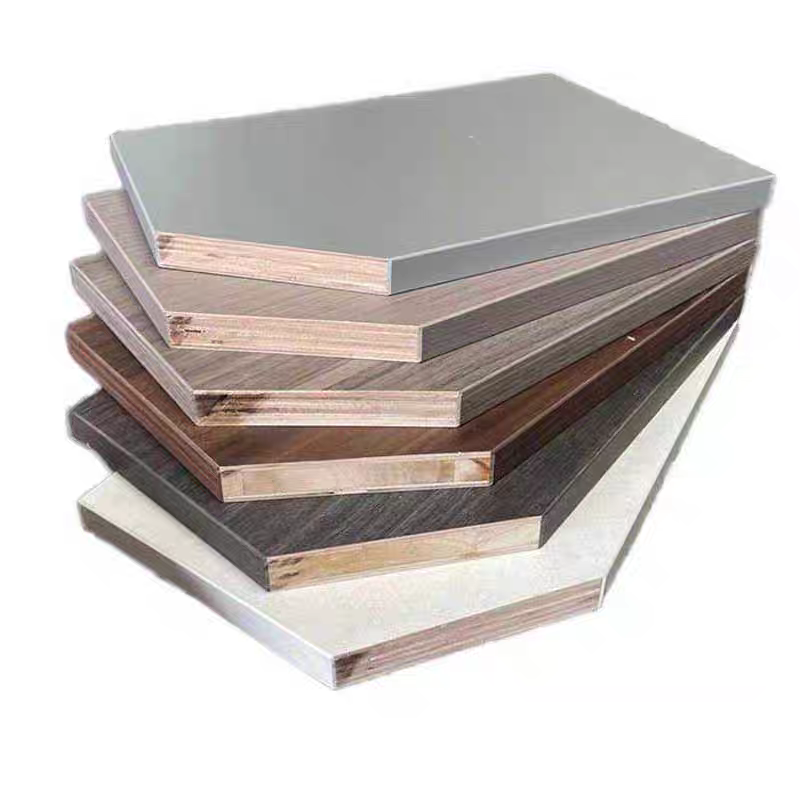
Plywood is made of layered wood veneers, offering good strength.
Advantages:
- Strong and stable
- Better moisture resistance than MDF
Disadvantages:
- Requires finishing
- Not fully waterproof
Best for:
- Furniture backing
- Interior wall structures
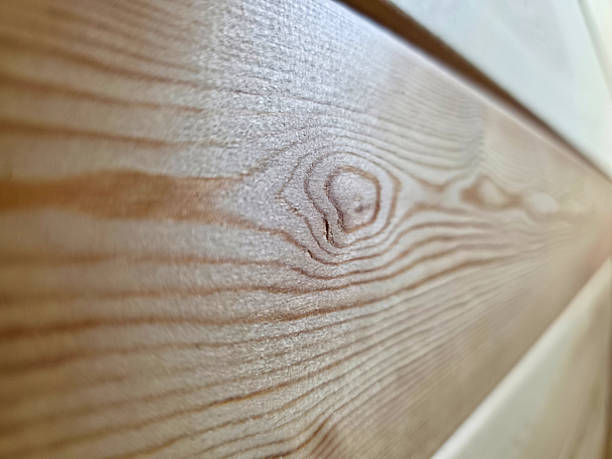
5. Solid Wood Panels
Solid wood panels provide a premium and natural look.
Advantages:
- High-end aesthetics
- Strong and durable
Disadvantages:
- Expensive
- Requires maintenance
- Sensitive to humidity
Best for:
- Luxury homes
- Feature walls
6. Gypsum Wall Panels
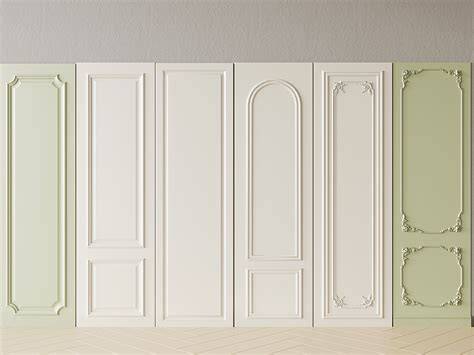
Gypsum panels are commonly used in drywall systems.
Advantages:
- Fire-resistant
- Cost-effective
Disadvantages:
- Not waterproof
- Fragile compared to other materials
Best for:
- Ceilings
- Partition walls
7. Metal Wall Panels
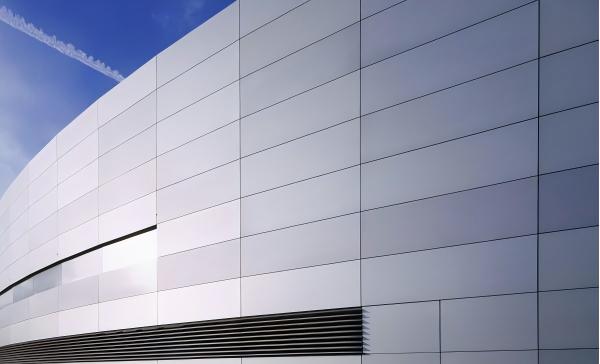
Metal panels (aluminum or steel) are extremely durable.
Advantages:
- Waterproof and fireproof
- Very long lifespan
Disadvantages:
- Higher cost
- Industrial appearance
Best for:
- Commercial buildings
- Exterior walls
How to Choose the Right Wall Panel
Choosing the right wall panel depends on your specific needs:
- For bathrooms or humid areas: PVC or WPC
- For budget projects: MDF or gypsum
- For durability + aesthetics: WPC
- For luxury interiors: solid wood
WPC panels provide cost, aesthetic appeal, and durability in perfect balance.
Frequently Asked Questions (FAQ)
Are wall panels waterproof?
Not all wall panels are waterproof, as MDF and gypsum panels are not waterproof, in contrast to PVC, WPC, and metal panels.
What is the cheapest wall panel option?
MFD and gypsum sheets are usually known as the less expensive alternatives.
Which wall panel lasts the longest?
Typically there is a longer lifespan of metal and WPC panels.
Can wall panels be used in bathrooms?
Yes, but you should choose waterproof options like PVC or WPC.