

How Wall Panels Speed Up Hotel Renovation Projects
Modern hotel renovations are an architectural race to the end of time in which prolonged downtime decreases the property’s Revenue per available Room (RevPAR). Owners of hotels typically face prolonged periods of stagnation in revenue because of multi-stage finishing, which exacerbates labour shortages and a stubborn paint escaping. However, the transition into modular walls provides an innovative and efficient alternative to traditional mudding or painting. When you install top-quality decorative wall panel for hotels, hospitality contractors can cut down on project timelines by as much as 70%, simplify overlapping labor trades and return rooms back to the market in a matter of minutes.
Table of Contents
Why Traditional Hotel Remodeling Stalls
To appreciate how interior wall panels accelerate a project, one must examine the operational bottlenecks inherent in traditional commercial wall finishing. Conventional drywall installation or heavy plaster remediation is fundamentally a sequential, wet-trade process.
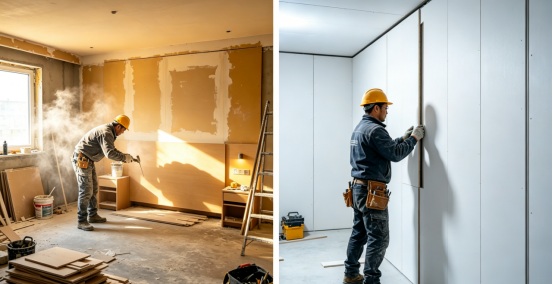
Based on data collected from the Association of the Wall and Ceiling Industry (AWCI) A standard three-coat joint compound for drywall requires between 24 and 48 hours for drying per coat, and is heavily dependent on the relative humidity of the surrounding area. For a typical 150-room hotel renovation, this time can result in hundreds of hours of idle time in which downstream trades, such as electricians, baseboard installers teams, and finish painters — are unable to be allowed to enter the room.
Additionally, traditional wet finishing requires a complex cross-over coordination between various trades. The continuous scheduling for framing carpenters and drywall hangers finishers, tapers and painters results in a schedule that is prone to a lapse: if one worker is late in their part of job, the entire floor’s schedule will be wiped out.
The post-application curing process of conventional commercial adhesives and paints release locally-produced Volatile Organic Compounds (VOCs). Even with low-VOC formulations hotels typically require a 4-to-7-day airing-out time before rooms can be reserved by guests and keep the asset that generates revenue off the market until construction work is completed.
Why Wall Panels Are Ideal for Hotel Renovation
Modular, decorative wall panels bypass traditional structural delays by converting unpredictable wet site-work into an organized, dry assembly process. The mechanics of this rapid installation rely on engineered interlocking systems and direct-to-substrate versatility.
1. Interlocking Systems and Zero-Subsuface Preparation
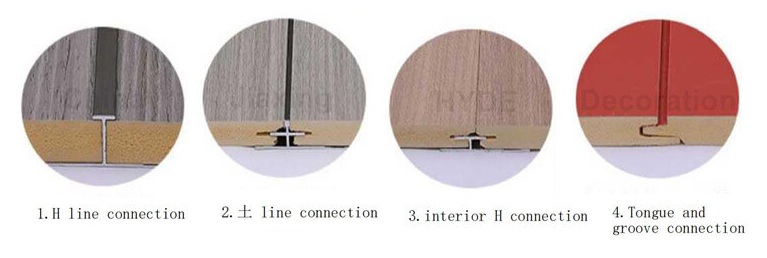
Commercial wall panels that are high-performance feature high-end engineering-grade Tongue-and Groove (T&G) profiles as well as high-end interlocking clips. As opposed to drywall which requires a perfect flat subsurface of studs as well as a smooth joint compound, tongue and groove panel panels are secured directly onto existing solid brick or plaster that is aging, or damaged wallpaper with high-tack structural adhesives made of polyurethane and hidden cleats. This avoids the long-running demolition, skim-coating, or sanding steps, allowing builders to repair or replace damaged walls in one go.
2. Elimination of Multi-Coat Wet Cycles
Since decorative panels are UV-cured, factory-finished topcoats the whole process of priming, double coating and waiting for the paint to dry is eliminated. After a panel has been pressed in place and the wall is totally finished. There are no wet materials or airborne sanding dust to harm your HVAC installation, and there are no drying cycles. This allows general contractors to have an ongoing, single-day process for each guestroom.
3. Consolidation of On-Site Labor Trades
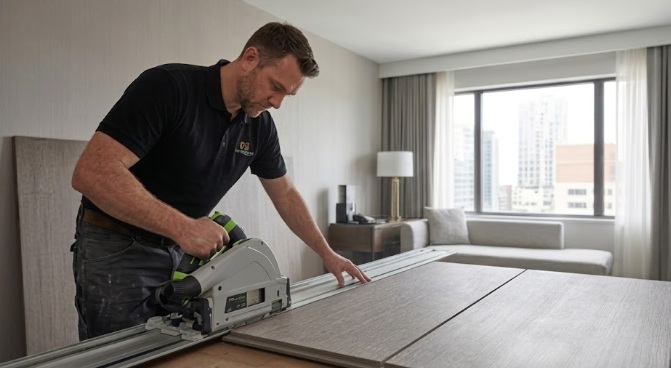
Wall panels change the look of a room from a complex, multi-trade process to a quick, single-trade installation. A carpentry crew of two can cut, measure the wall, split it, and put in pre-finished wall panels over all guest rooms in 3 to four hours. By removing the two roles of the drywall finisher and painter in a project, managers can can reduce scheduling conflicts, decrease total labor costs and streamline the essential course in the overall construction plan.
Traditional Drywall vs. Modular Wall Panels
To make a clear business case for the hospitality industry The table below compares the performance indicators of drywall finishing in traditional ways against prefabricated decorative panels for an average mid-sized guestroom renovation.
| Performance Metric | Traditional Drywall & Paint System | Prefabricated Decorative Wall Panels |
| Substrate Preparation Required | The entire process of stripping, skimming and sanding | Small; can be mounted directly over the old surfaces and walls |
| Average Installation Time (per room) | 5-7 Days (due to curing the coat in a sequential manner) | 4 to 6 hours (immediate Dry mechanical fixation) |
| Required On-Site Trade Workers | Drywall Hanger, Finisher, Painter (3 Trades) | Finish Carpenter / General Installer (1 Trade) |
| Post-Installation Ventilation Window | 72 – 148 hours (for VOC and odor dispersal) | 0 Hours (No VOCs; immediate room occupancy) |
| Long-Term Maintenance Overhead | High (Prone to cracks, scuffs frequent repaintings) | Low (Impact-resistant Surfaces that are wipe-clean) |
Specifying the Ideal Decorative Wall Panels for Hotels
Picking a wall panel with a decorative solution involves balancing quick installation along with the strictest commercial building regulations and long-term longevity. When selecting panels from specialist manufacturers such as Huigong Wall Panels, Decorative Wall Panels Hospitality engineers need to evaluate three main performance components:
- Class A/B1 fire retardancy: Business and hospitality properties are governed by strict safety codes for life, such as ASTM E84 and national B1-class certifications for fire safety. Polymer composites that are high-end engineered stone dust-plastic compounds (SPC) and fire-rated medium density fiberboards are specifically designed to self-extinguish making sure that the building is in strict conformity with local fire codes for hospitality.
- Waterproof and Anti-Microbial Shielding: The vanity areas in guest rooms and corridors are subjected to fluctuating humidity levels and regular cleaning cycles. Selecting non-porous wall panels stops moisture from accumulating behind the substrate. This eliminates the risk of growth of mold and mildew, which is a important factor in indoor air quality problems and structural degrade in old hotel structures.
- Commercial Wear Resistant: In contrast to the residential options, commercial-grade panels include thick, high-durability wear layers that are designed to withstand the rigors of luggage carts rooms service trays and guests. The best timber grain, fabric and marble-look panels keep their color stability and structural integrity even under the rigors of cleaning routines, greatly prolonging the life of the building’s renovation.
Maximizing Hospitality ROI through Dry Assembly
Reducing downtime in the property is the best method to save money in a hotel’s renovation. The transition from traditional finishing of drywall to high-performance modular decorative wall panels for hotels transform a chaotic, mess-filled construction zone into a streamlined, speedy assembly process. Through reducing the installation timeframe from weeks to a few days, eliminating dry curing cycles and reducing the demands on labor on site hotel owners can secure their profits and have rooms ready for use in a matter of minutes.